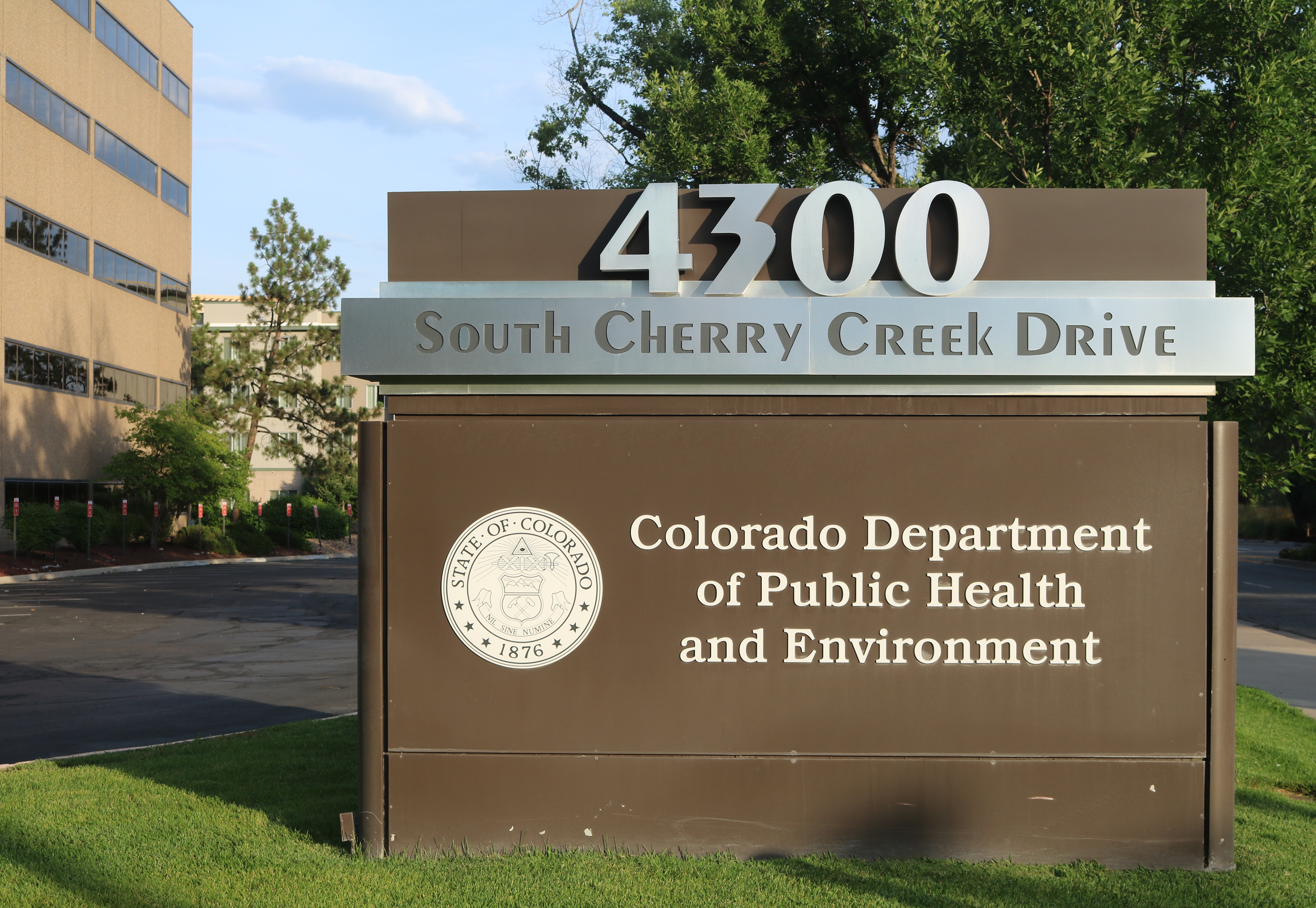
The Colorado state health department reported a steady increase in hospital visits for heat-related illnesses through July 2026 [1].
This surge in medical emergencies highlights the immediate public health risks posed by prolonged extreme heat. As temperatures remain high, the strain on healthcare facilities increases while vulnerable populations face higher risks of dehydration and heatstroke.
State officials said the rise in hospitalizations coincides with a period of persistent triple-digit temperatures [2]. These temperatures, reaching above 100 °F, have lingered across the state, creating a sustained environment of heat stress [2].
The health department's data indicates that the trend of rising admissions continued throughout the month of July [1]. This pattern suggests that the cumulative effect of prolonged heat is driving more residents to seek emergency care than in previous periods.
Public health warnings have been issued to residents to seek shade and maintain hydration. The persistence of these weather patterns has forced medical providers to manage a higher volume of acute heat-related cases, a trend that directly correlates with the ongoing temperature spikes [2].
While the state continues to monitor the situation, the correlation between the triple-digit heat and the increase in hospital visits remains a primary concern for regional health administrators [1].
“Colorado state health department reported a steady increase in hospital visits for heat-related illnesses through July 2026.”
The increase in hospitalizations reflects a growing vulnerability to extreme weather events in the U.S. West. When triple-digit temperatures persist rather than spike briefly, the human body's ability to recover overnight is diminished, leading to a higher volume of clinical emergencies that can overwhelm local healthcare infrastructure.


