'%2F%3E%0A%20%20%20%20%3Crect%20width%3D'1600'%20height%3D'900'%20fill%3D'url(%23v)'%2F%3E%0A%20%20%20%20%3Cg%20opacity%3D'0.08'%20fill%3D'%23ffffff'%3E%0A%20%20%20%20%20%20%3Ccircle%20cx%3D'1420'%20cy%3D'180'%20r%3D'220'%2F%3E%0A%20%20%20%20%20%20%3Ccircle%20cx%3D'1500'%20cy%3D'760'%20r%3D'120'%2F%3E%0A%20%20%20%20%3C%2Fg%3E%0A%20%20%20%20%3Cline%20x1%3D'80'%20y1%3D'172'%20x2%3D'220'%20y2%3D'172'%20stroke%3D'%23ffffff'%20stroke-width%3D'3'%20stroke-opacity%3D'0.6'%2F%3E%0A%20%20%20%20%3Ctext%20x%3D'80'%20y%3D'140'%20font-family%3D'Inter%2C%20-apple-system%2C%20Helvetica%2C%20sans-serif'%20font-weight%3D'700'%20font-size%3D'28'%20fill%3D'%23ffffff'%20letter-spacing%3D'6'%3EHANNA%20%C2%B7%20NEWS%3C%2Ftext%3E%0A%20%20%20%20%3Ctext%20x%3D'80'%20y%3D'230'%20font-family%3D'Inter%2C%20-apple-system%2C%20Helvetica%2C%20sans-serif'%20font-weight%3D'600'%20font-size%3D'40'%20fill%3D'%23ffffffb3'%20letter-spacing%3D'4'%3EPOLITICS%3C%2Ftext%3E%0A%20%20%20%20%3Ctext%20x%3D'80'%20y%3D'622'%20font-family%3D'Playfair%20Display%2C%20Georgia%2C%20serif'%20font-weight%3D'800'%20font-size%3D'86'%20fill%3D'%23ffffff'%20letter-spacing%3D'-1'%3EDeLauro%20and%20DHS%20Secretary%3C%2Ftext%3E%3Ctext%20x%3D'80'%20y%3D'721'%20font-family%3D'Playfair%20Display%2C%20Georgia%2C%20serif'%20font-weight%3D'800'%20font-size%3D'86'%20fill%3D'%23ffffff'%20letter-spacing%3D'-1'%3EMullin%20Clash%20Over%20Migrant%3C%2Ftext%3E%3Ctext%20x%3D'80'%20y%3D'820'%20font-family%3D'Playfair%20Display%2C%20Georgia%2C%20serif'%20font-weight%3D'800'%20font-size%3D'86'%20fill%3D'%23ffffff'%20letter-spacing%3D'-1'%3EChild%20Separations%3C%2Ftext%3E%0A%20%20%20%20%3Ctext%20x%3D'80'%20y%3D'870'%20font-family%3D'Inter%2C%20-apple-system%2C%20Helvetica%2C%20sans-serif'%20font-weight%3D'500'%20font-size%3D'22'%20fill%3D'%23ffffff66'%20letter-spacing%3D'2'%3Enews.hanna-ai.com%3C%2Ftext%3E%0A%20%20%3C%2Fsvg%3E)
Rep. Rosa DeLauro (D-CT) and Homeland Security Secretary Markwayne Mullin engaged in a heated exchange during a House Appropriations Subcommittee on Homeland Security hearing on Thursday [1].
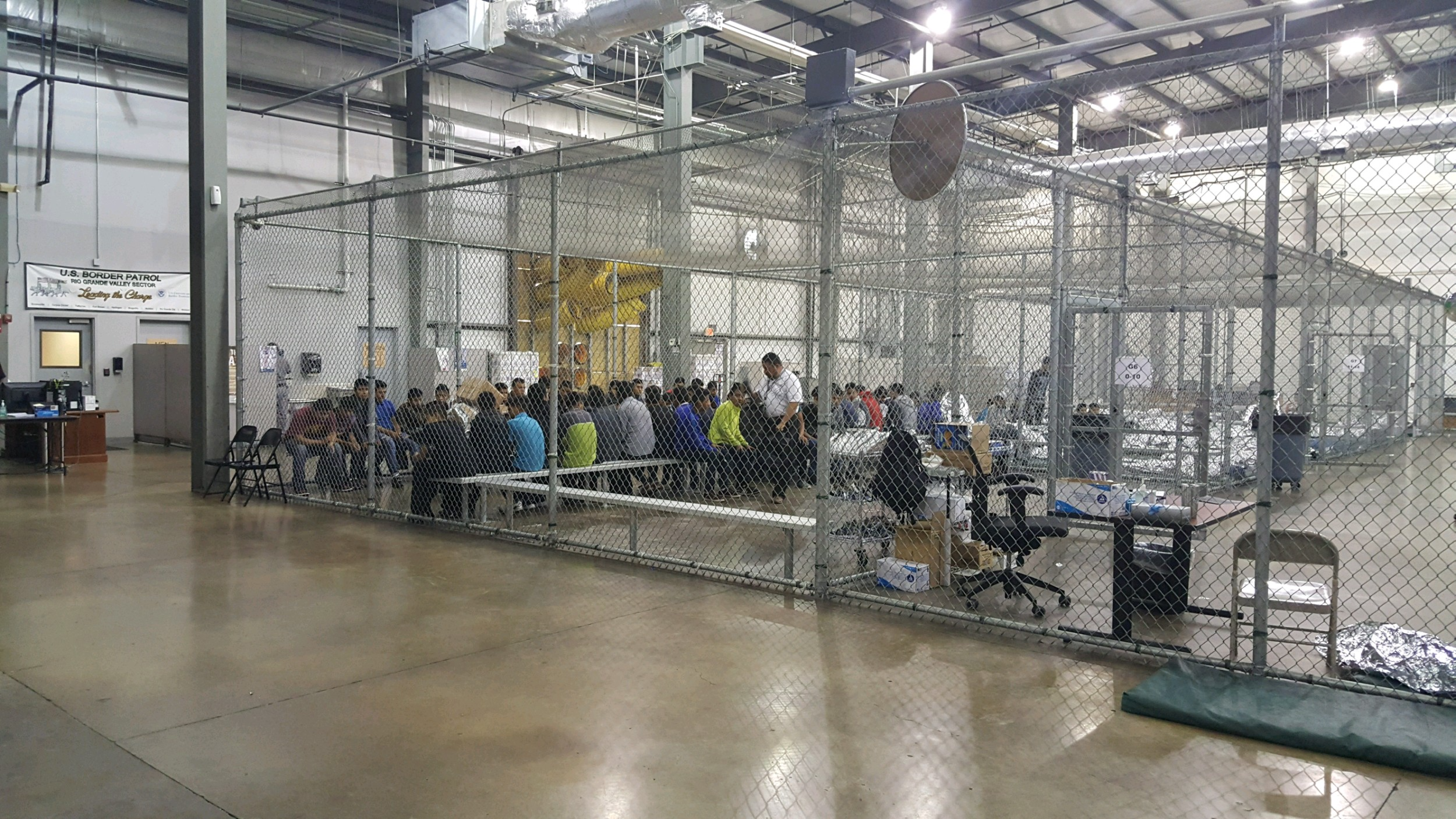
The confrontation highlights ongoing political tensions regarding the management of the U.S. border and the ethical implications of separating migrant children from their families.
During the hearing at the U.S. Capitol, DeLauro pressed Mullin for explanations regarding the Biden administration's record on child separations [1, 2]. The exchange escalated when Mullin interrupted the congresswoman to make a claim regarding the scale of the issue [1, 3].
"450,000 kids were lost during the Biden administration and you didn’t say a word about it," Mullin said [1].
DeLauro responded by demanding that the secretary stop interrupting her line of questioning [2, 3]. The congresswoman told Mullin, "Mr. Secretary, do not interrupt," and "Don’t interrupt" [2, 3].
The central point of contention involves the alleged loss of 450,000 [1] migrant minors. DeLauro sought a detailed explanation of how these separations occurred, and why the administration's record reflects such a high number of missing children [1, 3].
This clash occurred within the context of a broader subcommittee hearing focused on the funding and operational priorities of the Department of Homeland Security [1, 2]. The tension between the Democratic representative and the secretary underscores the deep partisan divide over immigration enforcement, and the protection of minors at the border [1, 3].
“"450,000 kids were lost during the Biden administration and you didn’t say a word about it."”
The exchange reflects the high-stakes nature of congressional oversight regarding the U.S. border. By citing a specific figure of 450,000 lost children, the DHS Secretary is framing the issue as a systemic failure of the previous administration's policies, while the questioning by Rep. DeLauro emphasizes the need for accountability and transparency in how the government tracks vulnerable minors.