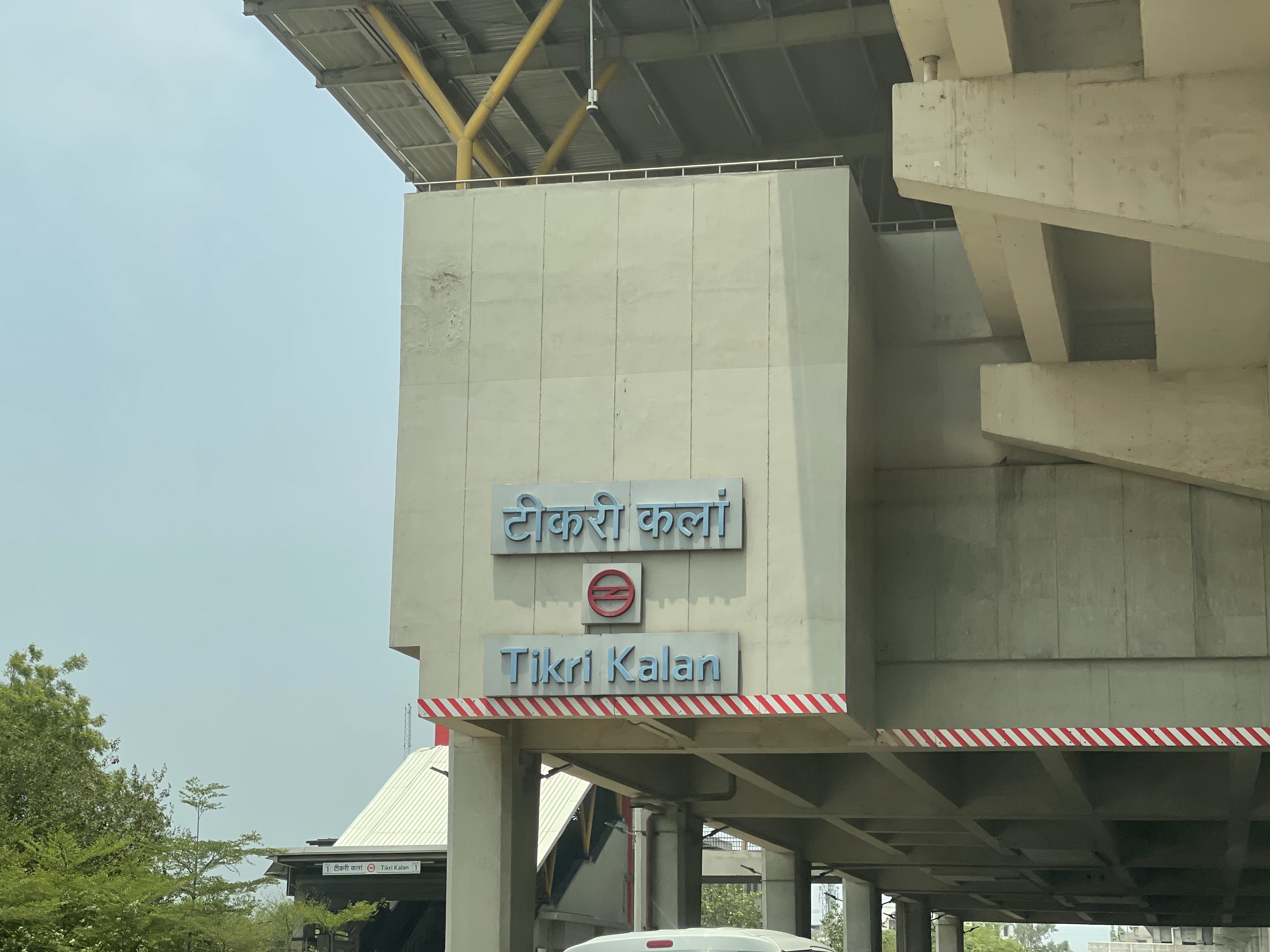
One person died and six others were injured following a blast at a compressed natural gas filling station in Delhi's Tikri Kalan area [1], [2].
The incident highlights the inherent risks associated with high-pressure fuel infrastructure in densely populated urban centers. Safety protocols for commercial vehicle refueling remain a critical point of concern for city administrators.
Emergency responders arrived at the scene after the explosion occurred while a truck was being refueled [1]. Preliminary information suggests the blast happened during the CNG-filling process at the station [1].
Authorities said one person was killed in the explosion [1]. Six additional people sustained injuries during the event [2]. The victims were transported for medical treatment as officials began securing the perimeter of the Tikri Kalan site.
Investigators are currently examining the station's equipment to determine if a mechanical failure or human error triggered the blast. The site remains under investigation to establish the exact sequence of events that led to the ignition of the gas.
Local officials have not yet released the identities of the victims. The probe continues to evaluate whether the station adhered to all safety regulations required for handling compressed natural gas.
“One person died and six others were injured following a blast at a compressed natural gas filling station.”
This incident underscores the volatility of compressed natural gas (CNG) when handled in commercial settings. Because CNG is stored at extremely high pressures, any equipment failure or breach in protocol during the refueling process can lead to catastrophic explosions. The investigation will likely focus on the integrity of the refueling nozzle and the truck's storage cylinders to determine if systemic safety lapses contributed to the fatality.


