A Metropolitan State University of Denver law professor said a traveler detained by Immigration and Customs Enforcement (ICE) at Denver International Airport exercised her constitutional rights [1].
The incident highlights the ongoing tension between immigration enforcement and the legal protections afforded to individuals within U.S. borders. Because airports are high-security zones, the boundaries of constitutional rights are frequently tested during federal operations.
The professor said that the protections of the law remain applicable to travelers even when they are subject to immigration enforcement [1]. This legal perspective emphasizes that a person's visa status does not strip them of basic constitutional rights when interacting with federal agents at a port of entry.
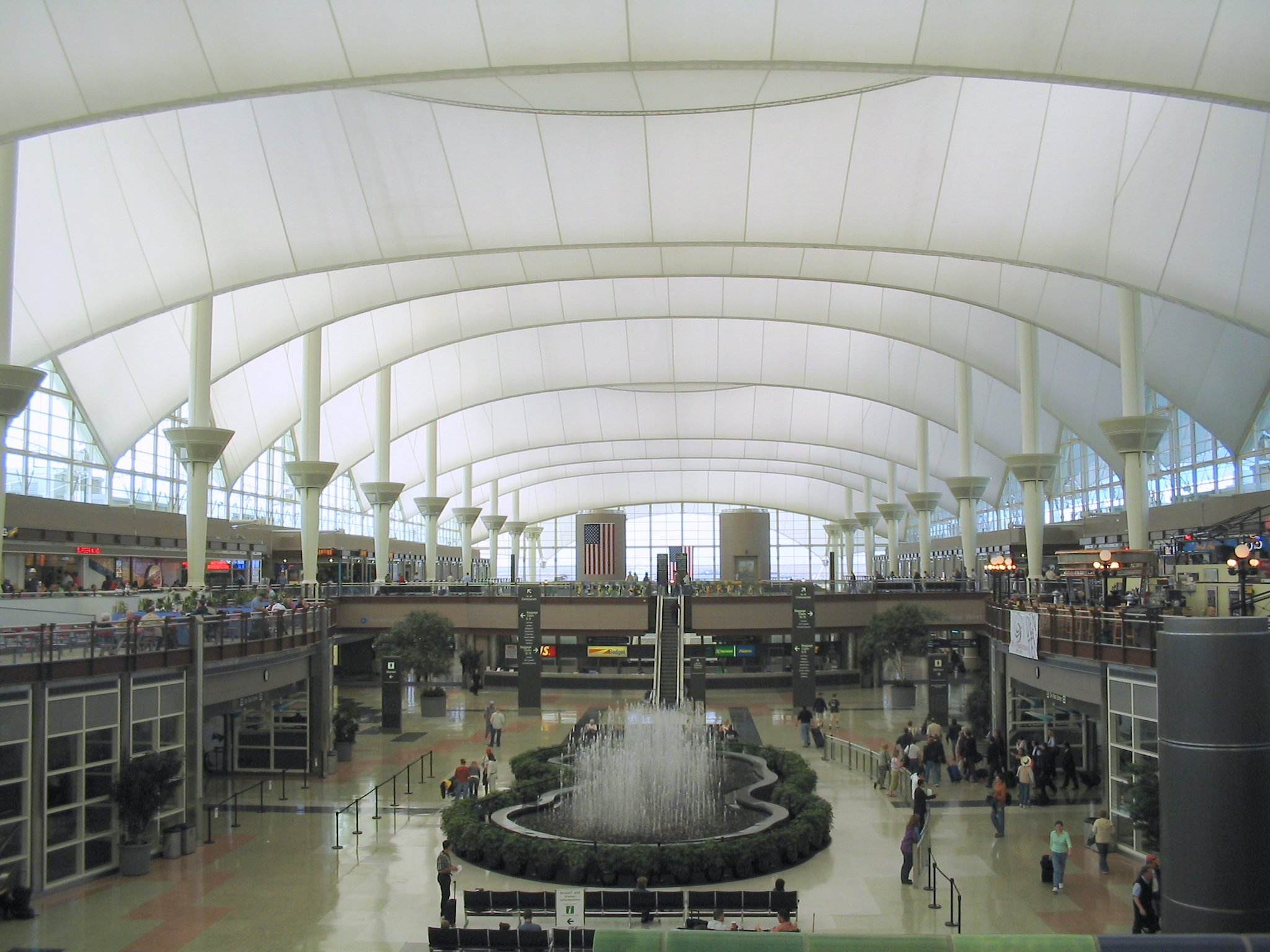
Denver International Airport serves as a primary hub for international travel, making it a frequent site for ICE operations [1]. The professor said that the traveler in question acted within her legal rights during the encounter with agents.
Legal experts often distinguish between the authority of the government to control borders and the fundamental rights of the individual. In this case, the professor said that the traveler's actions were a legitimate exercise of those protections [1].
The discussion comes amid broader debates regarding the conduct of federal agents during arrests in public spaces. By centering the conversation on constitutional law, the professor said she sought to clarify the legal standing of non-citizens and travelers facing detention [1].
“Constitutional protections apply to travelers regardless of visa status.”
This situation underscores a critical legal intersection where federal immigration authority meets individual civil liberties. While the government maintains broad powers at borders, the affirmation by a legal academic that constitutional rights persist regardless of visa status suggests a push for greater accountability in how ICE conducts arrests in public transit hubs.


