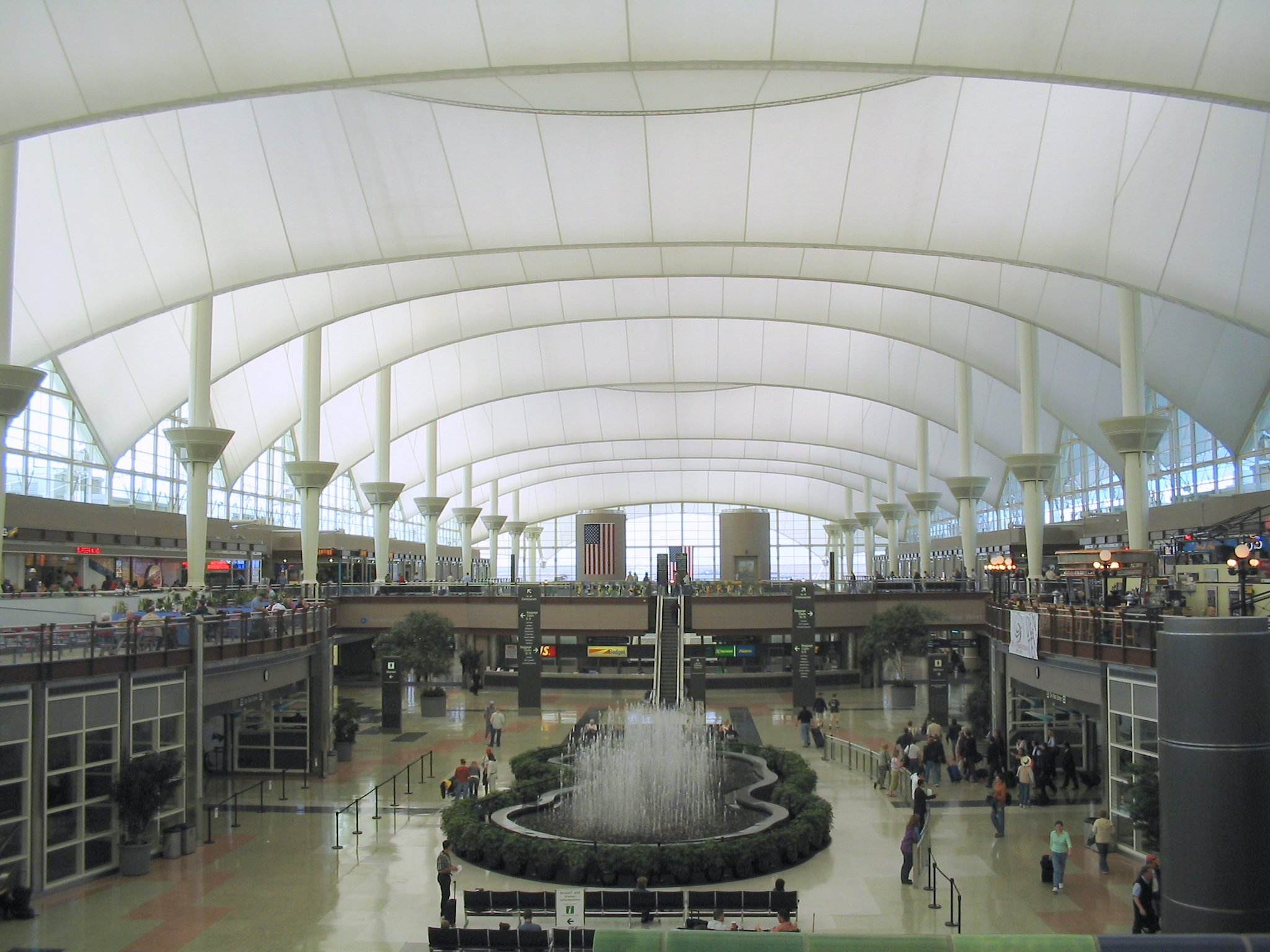
Severe thunderstorms and strong winds caused flight cancellations and ground delays at Denver International Airport on two separate days in late June [1, 2].
These disruptions highlight the vulnerability of major U.S. aviation hubs to rapid weather shifts, which can trigger safety-related ground stops and create ripple effects across national flight schedules.
On Sunday, June 21, 2026, afternoon storms brought lightning and winds reaching approximately 40 mph [1, 3]. The weather prompted a safety-related ground delay that affected air traffic as of 6 p.m. that day [1]. Reports said that 619 flights were delayed and seven flights were canceled during the Sunday event [1].
The airport faced similar challenges shortly after. On Tuesday, June 23, 2026, another round of afternoon thunderstorms disrupted operations [2]. This second weather event resulted in nearly 400 flight delays [2].
Ground delays are implemented when weather conditions, such as high wind gusts or lightning, make it unsafe for aircraft to take off or land. At Denver International Airport, the combination of strong winds and electrical activity necessitated these pauses to ensure passenger and crew safety [1, 3].
While the ground delays were described as short, the volume of affected flights suggests a significant impact on traveler movement during the period. The airport managed the disruptions through a series of safety protocols designed to mitigate the risks associated with Colorado's volatile summer weather patterns [1, 2].
“619 flights were delayed and seven flights were canceled during the Sunday event”
The recurrence of significant delays within a three-day window underscores the operational challenges Denver International Airport faces during the summer storm season. Because the airport serves as a primary mid-continent hub, these localized weather events often result in systemic delays for passengers traveling to and from the U.S. West Coast and Midwest.


