Rep. Lloyd Doggett (D-TX) questioned Treasury Secretary Scott Bessent on whether the IRS recommended granting any taxpayer immunity from tax audits [1].
The exchange centers on concerns regarding potential favoritism within the federal tax system and the level of oversight applied to the finances of President Donald Trump [1].
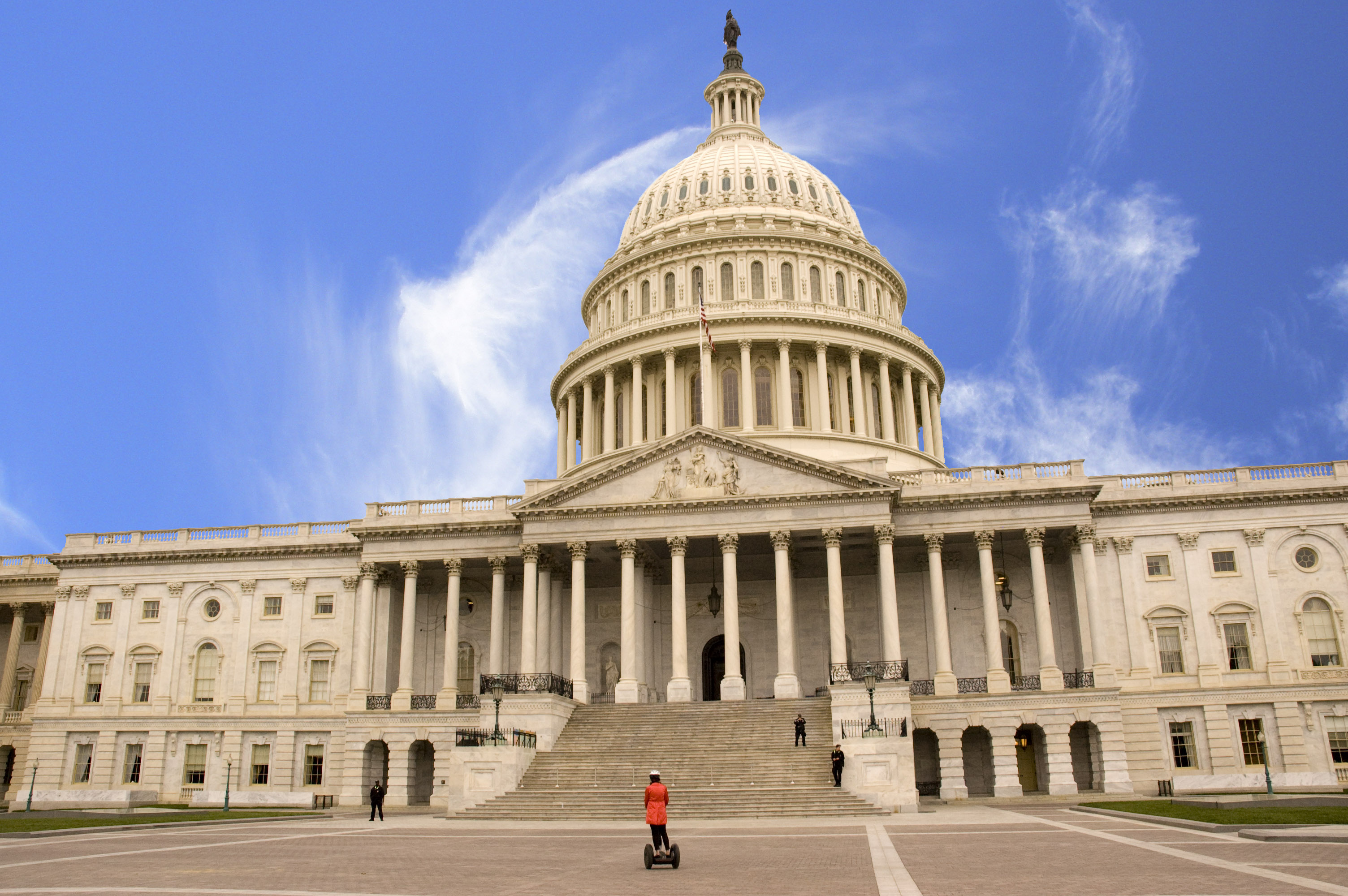
During a House Ways and Means Committee hearing at the U.S. Capitol, Doggett sought to determine if the Internal Revenue Service had suggested that any specific individual be shielded from standard audit procedures [1]. The questioning specifically targeted the transparency of the audit process for high-profile figures [1].
"Has the IRS recommended that any taxpayer be granted immunity from an audit of their taxes?" Doggett said [1].
Bessent did not provide a yes or no answer to the inquiry. "Again, I'm unable to answer that," Bessent said [1].
Doggett challenged the secretary's refusal to provide a direct response during the proceedings. "You can answer it; you refuse to answer it," Doggett said [1].
Doggett's line of questioning aimed to ensure accountability and determine if the Treasury Department or the IRS had deviated from standard operating procedures to benefit a specific taxpayer [1]. The representative's focus remained on whether the executive branch was maintaining the integrity of the tax code, or allowing exceptions for the president [1].
“"Has the IRS recommended that any taxpayer be granted immunity from an audit of their taxes?"”
This confrontation highlights a continuing tension between congressional oversight and executive privilege regarding the private financial records of the presidency. If the IRS were found to have recommended audit immunity for a sitting president, it would raise significant legal and ethical questions about the equal application of U.S. tax laws.