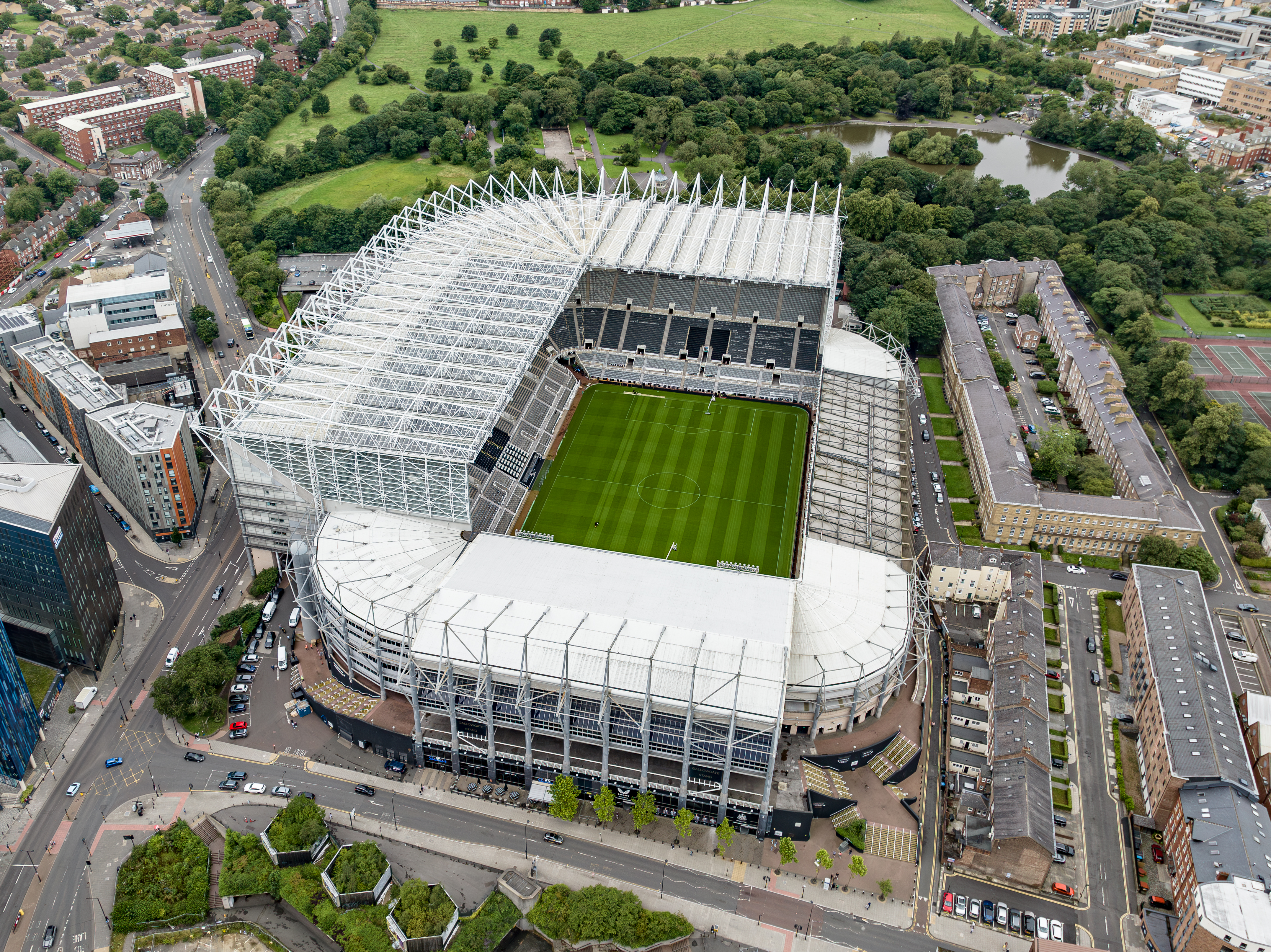
Eddie Howe has decided to leave his position as manager of Newcastle United [1].
His departure signals significant challenges for the club's Saudi owners as they attempt to establish Newcastle as a global football power while navigating strict financial regulations. The exit suggests that the ambition of the ownership is clashing with the spending rules imposed by football authorities [1].
Howe joined the club to replace Steve Bruce and oversaw a period of substantial growth. Under his leadership, Newcastle achieved Champions League qualification in 2023 and again in 2025 [1]. He also ended a 70-year [1] wait for a major domestic trophy by leading the team to a Carabao Cup victory in 2025 [1].
Despite these achievements, the club has faced difficulties maintaining a consistent elite level. Recent struggles include an eight-three [2] aggregate loss to Barcelona, highlighting the gap between the current squad and the world's top teams [2].
"Newcastle United wanted to become one of the world's top clubs under their Saudi owners — but Eddie Howe's decision to leave is a sign of the troubles they are facing," BBC Sport Football said [1].
The Saudi ownership group has sought to leverage its financial strength to accelerate the club's rise. However, football governing bodies have implemented spending rules that limit how much the owners can inject into the squad. These restrictions have created a ceiling for growth that may have influenced Howe's decision to step away [1].
“Eddie Howe's decision to leave is a sign of the troubles they are facing.”
Howe's departure underscores the tension between the unlimited financial ambition of state-backed ownership and the regulatory frameworks of modern football. While the club achieved historic milestones, including a 2025 trophy and multiple Champions League appearances, the inability to bypass spending caps suggests a plateau in their rapid ascent. This transition may force the Saudi owners to shift their strategy from aggressive spending to a more sustainable, long-term development model to remain competitive.
'%2F%3E%0A%20%20%20%20%3Crect%20width%3D'1600'%20height%3D'900'%20fill%3D'url(%23v)'%2F%3E%0A%20%20%20%20%3Cg%20opacity%3D'0.08'%20fill%3D'%23ffffff'%3E%0A%20%20%20%20%20%20%3Ccircle%20cx%3D'1420'%20cy%3D'180'%20r%3D'220'%2F%3E%0A%20%20%20%20%20%20%3Ccircle%20cx%3D'1500'%20cy%3D'760'%20r%3D'120'%2F%3E%0A%20%20%20%20%3C%2Fg%3E%0A%20%20%20%20%3Cline%20x1%3D'80'%20y1%3D'172'%20x2%3D'220'%20y2%3D'172'%20stroke%3D'%23ffffff'%20stroke-width%3D'3'%20stroke-opacity%3D'0.6'%2F%3E%0A%20%20%20%20%3Ctext%20x%3D'80'%20y%3D'140'%20font-family%3D'Inter%2C%20-apple-system%2C%20Helvetica%2C%20sans-serif'%20font-weight%3D'700'%20font-size%3D'28'%20fill%3D'%23ffffff'%20letter-spacing%3D'6'%3EHANNA%20%C2%B7%20NEWS%3C%2Ftext%3E%0A%20%20%20%20%3Ctext%20x%3D'80'%20y%3D'230'%20font-family%3D'Inter%2C%20-apple-system%2C%20Helvetica%2C%20sans-serif'%20font-weight%3D'600'%20font-size%3D'40'%20fill%3D'%23ffffffb3'%20letter-spacing%3D'4'%3ESPORTS%3C%2Ftext%3E%0A%20%20%20%20%3Ctext%20x%3D'80'%20y%3D'694'%20font-family%3D'Playfair%20Display%2C%20Georgia%2C%20serif'%20font-weight%3D'800'%20font-size%3D'110'%20fill%3D'%23ffffff'%20letter-spacing%3D'-1'%3ECameron%20Norrie%20Reaches%20Los%3C%2Ftext%3E%3Ctext%20x%3D'80'%20y%3D'820'%20font-family%3D'Playfair%20Display%2C%20Georgia%2C%20serif'%20font-weight%3D'800'%20font-size%3D'110'%20fill%3D'%23ffffff'%20letter-spacing%3D'-1'%3ECabos%20Open%20Quarterfinals%3C%2Ftext%3E%0A%20%20%20%20%3Ctext%20x%3D'80'%20y%3D'870'%20font-family%3D'Inter%2C%20-apple-system%2C%20Helvetica%2C%20sans-serif'%20font-weight%3D'500'%20font-size%3D'22'%20fill%3D'%23ffffff66'%20letter-spacing%3D'2'%3Enews.hanna-ai.com%3C%2Ftext%3E%0A%20%20%3C%2Fsvg%3E)

