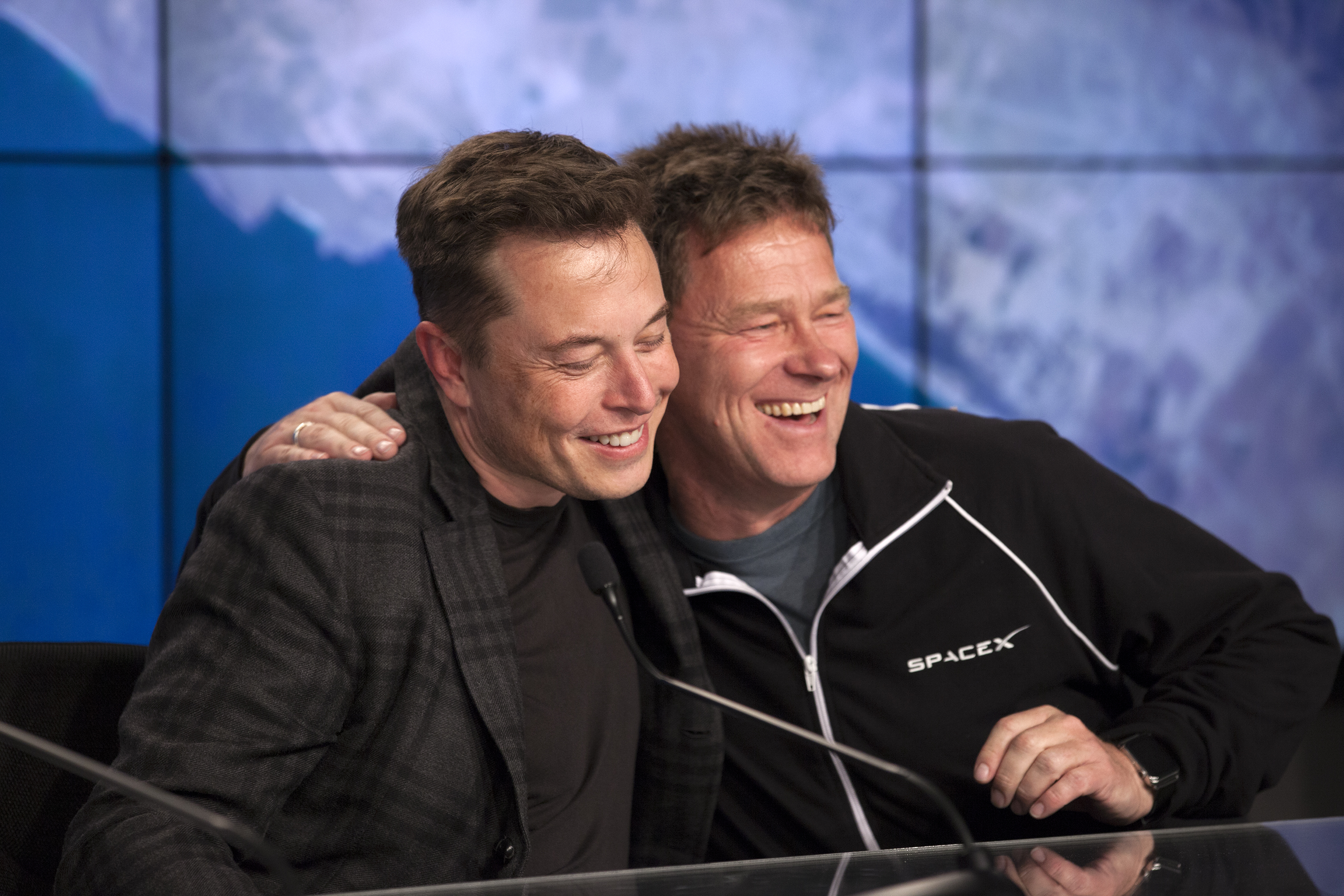
Elon Musk became the world's first trillionaire on Friday after SpaceX began trading on the Nasdaq stock exchange [1].
This milestone marks a historic shift in global wealth concentration. The scale of this individual fortune has reignited international debates regarding taxation and the systemic nature of economic inequality.
Musk's ascent to this financial tier was driven primarily by the market debut of SpaceX in the U.S. [1]. His stake in the aerospace company is now valued at more than $766 billion [1]. This surge, combined with his existing holdings in Tesla and other ventures, brought his total net worth to roughly $1.05 trillion [1].
The transition of SpaceX from a private entity to a publicly traded company on the Nasdaq has provided a transparent, real-time valuation of Musk's assets [1]. This visibility has highlighted the rapid accumulation of capital within the tech sector, a trend that critics argue outpaces regulatory frameworks designed to manage wealth distribution.
Economists and policymakers are now examining the implications of a single individual possessing a trillion dollars in assets [1]. The concentration of such vast resources often leads to discussions about the influence of private citizens over public infrastructure and global communications, particularly given the role of SpaceX's Starlink in international connectivity.
While the market reacted to the SpaceX IPO with significant volatility, the overall valuation of the company remained high enough to push Musk past the trillion-dollar threshold [1]. The event has prompted calls for updated tax codes to address unrealized gains, and the valuation of private equity before it hits the public market.
“Elon Musk became the world's first trillionaire on Friday”
The emergence of a trillionaire signifies a new era of capital concentration where the valuation of private technology firms can fundamentally alter global economic statistics. By moving SpaceX to the Nasdaq, Musk has converted theoretical wealth into liquid market value, potentially increasing his influence over global markets and providing a catalyst for governments to reconsider wealth taxes and antitrust regulations.


