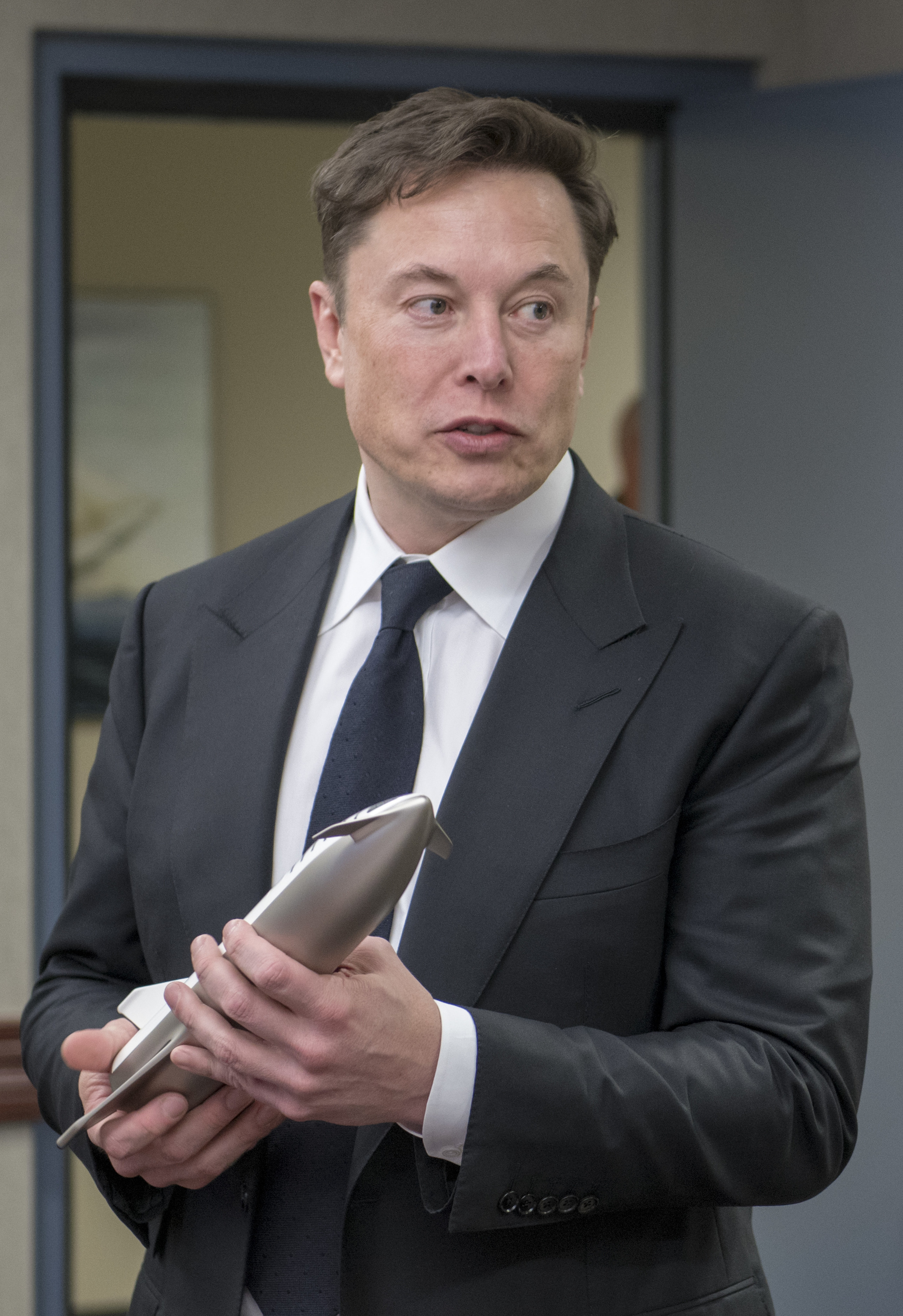
Elon Musk is no longer a trillionaire after a sharp decline in SpaceX stock prices reduced his total net worth [1, 2].
This shift marks a significant reversal for the entrepreneur, who had recently become the first person to reach a trillion-dollar valuation. Because SpaceX serves as a primary driver of his wealth, the volatility of its private-market pricing directly impacts his global financial standing.
Reports indicate that Musk's net worth fell to $957 billion [4, 5]. This represents a drop of $118 billion [6] from his peak valuation of $1.32 trillion [4]. The decline was triggered by a broad market sell-off and a specific slump in the value of SpaceX shares [7].
Financial outlets provided conflicting data on the exact scale of the stock's collapse. Forbes said that SpaceX stocks sank by 31% [1], while Mashable said there was a 16% plummet [3]. According to Mashable, SpaceX shares dipped to $152 early in the trading session before recovering slightly to close at $154 [3].
Musk's wealth is heavily concentrated in his leadership roles across multiple companies, making his net worth sensitive to market fluctuations. The recent decline in SpaceX's valuation has effectively ended his brief tenure as the world's only trillionaire.
“Elon Musk is no longer a trillionaire after a sharp decline in SpaceX stock prices.”
The fluctuation in Musk's net worth highlights the inherent volatility of relying on private company valuations for wealth metrics. Unlike publicly traded stocks with real-time transparency, SpaceX's value is determined by private market pricing, meaning a single funding round or secondary sale can trigger massive swings in paper wealth without changing the company's operational status.


