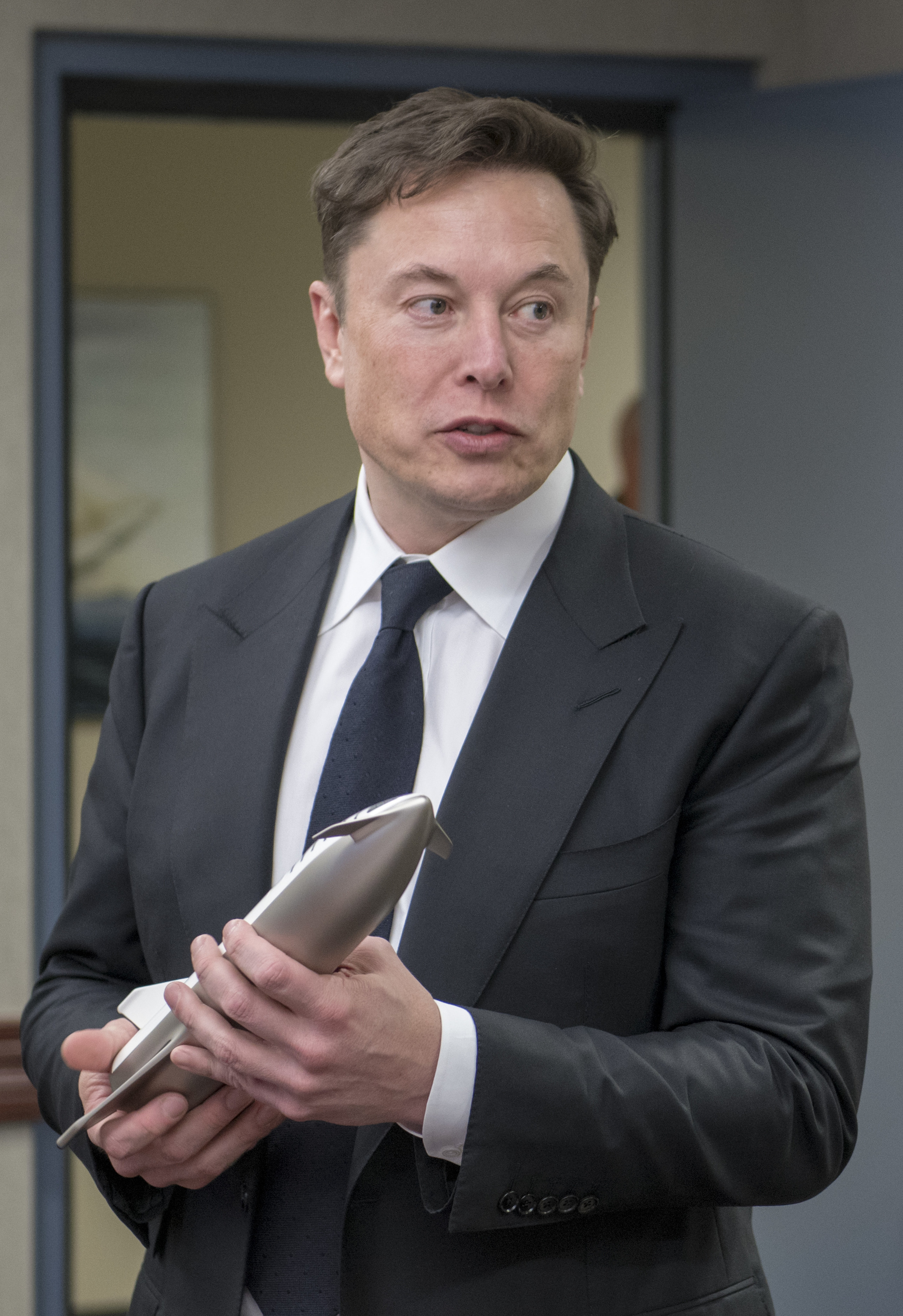
Elon Musk is no longer a trillionaire after declines in SpaceX and Tesla shares reduced his net worth below $1 trillion [1].
This shift marks the end of a brief period where the CEO of SpaceX and Tesla held a ten-figure valuation, reflecting the volatility of his primary assets. The loss of this status highlights how heavily Musk's personal wealth depends on the market performance of his private and public companies.
The decline occurred on June 24, 2026, as SpaceX shares traded on the Nasdaq experienced a significant downturn [2]. Reports on the magnitude of the drop vary between sources; Forbes said that SpaceX stock sank 31% [1], while Mashable said the stock plummeted 16% [3]. According to Mashable, the SpaceX share price dipped to $152 and closed at $154 [3].
Beyond the SpaceX plunge, restrictions on Tesla shares further contributed to the reduction of Musk's holdings [2]. These combined factors pushed his wealth back into the multi-billion range [1].
Public reaction to Musk's wealth fluctuations has remained divided. Jonah Goldberg of the Review Journal said, "Elon Musk’s new ’trillionaire’ status is a good thing, actually" [4].
Musk's financial trajectory remains tied to the operational success of his aerospace and automotive ventures. While he remains one of the wealthiest individuals in the world, the volatility of the Nasdaq and specific trading restrictions on Tesla shares create a precarious ceiling for his net worth.
“Elon Musk is no longer a trillionaire after declines in SpaceX and Tesla shares reduced his net worth below $1 trillion.”
The fluctuation of Musk's net worth underscores the inherent risk in wealth concentrated in equity rather than liquid assets. Because a significant portion of his fortune is tied to SpaceX and Tesla, any market correction or regulatory restriction on share trading can result in a loss of hundreds of billions of dollars in perceived value almost instantly.


