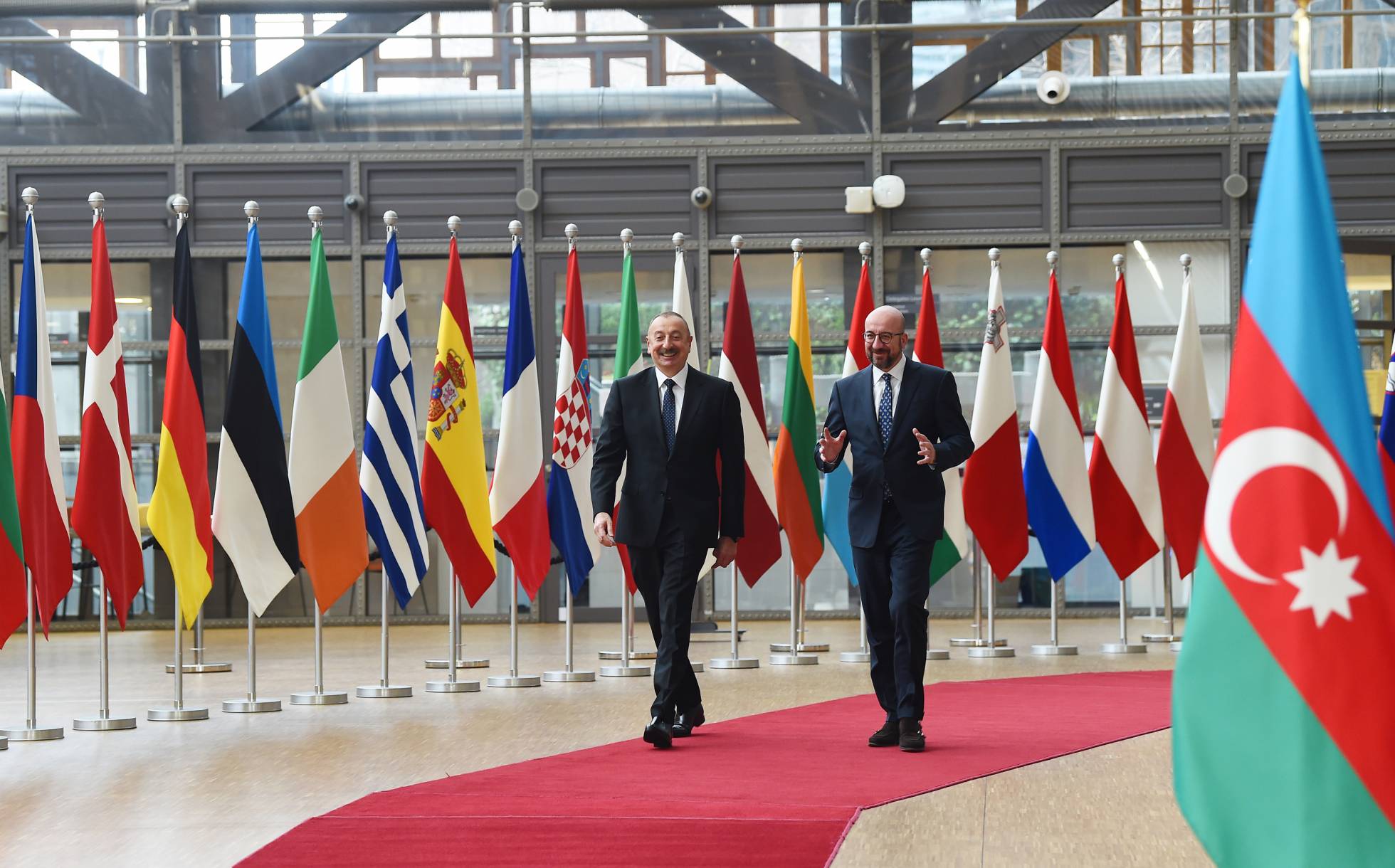
EU ministers and officials in Brussels approved the opening of another accession-negotiations cluster for Ukraine on Tuesday, July 14, 2026 [1].
This move marks a significant shift in the European Union's enlargement strategy. By expanding the talks, the EU is attempting to move Ukraine past a two-year deadlock that had previously stalled its progress toward full membership [2].
The decision followed coordination among 27 EU member-state ambassadors [3]. This latest development comes shortly after the EU and Ukraine opened their first accession-negotiations cluster on June 15, 2026 [4]. The clusters are designed to group related policy areas together, allowing the EU to negotiate multiple requirements simultaneously rather than sequentially.
Officials said the push to advance the membership aspirations of Ukraine is intended to overcome the obstacles created by former Hungarian Prime Minister Viktor Orbán [2]. For two years, Hungarian opposition had served as a primary bottleneck in the accession process, a hurdle that the current diplomatic momentum in Brussels aims to bypass.
While some reports indicate that Moldova may also be taking similar steps in its own accession process on July 14 [5], the primary focus of the Brussels meeting remained the acceleration of Ukraine's path. The opening of additional clusters allows for more comprehensive discussions on legal, economic, and political alignment with EU standards.
The process remains complex, as Ukraine must meet stringent criteria across various sectors before it can be admitted as a full member. However, the rapid succession of opening clusters—from June to July—suggests an increased urgency within the EU Council to integrate the country.
“EU ministers and officials in Brussels approved the opening of another accession-negotiations cluster for Ukraine.”
The acceleration of the cluster-based negotiation process indicates a strategic shift by the EU to prioritize Ukraine's integration over traditional, slower enlargement timelines. By overcoming the specific diplomatic blockade previously maintained by Hungary, the EU is signaling that the geopolitical necessity of Ukrainian membership now outweighs the internal consensus-based delays that defined the previous two years.


