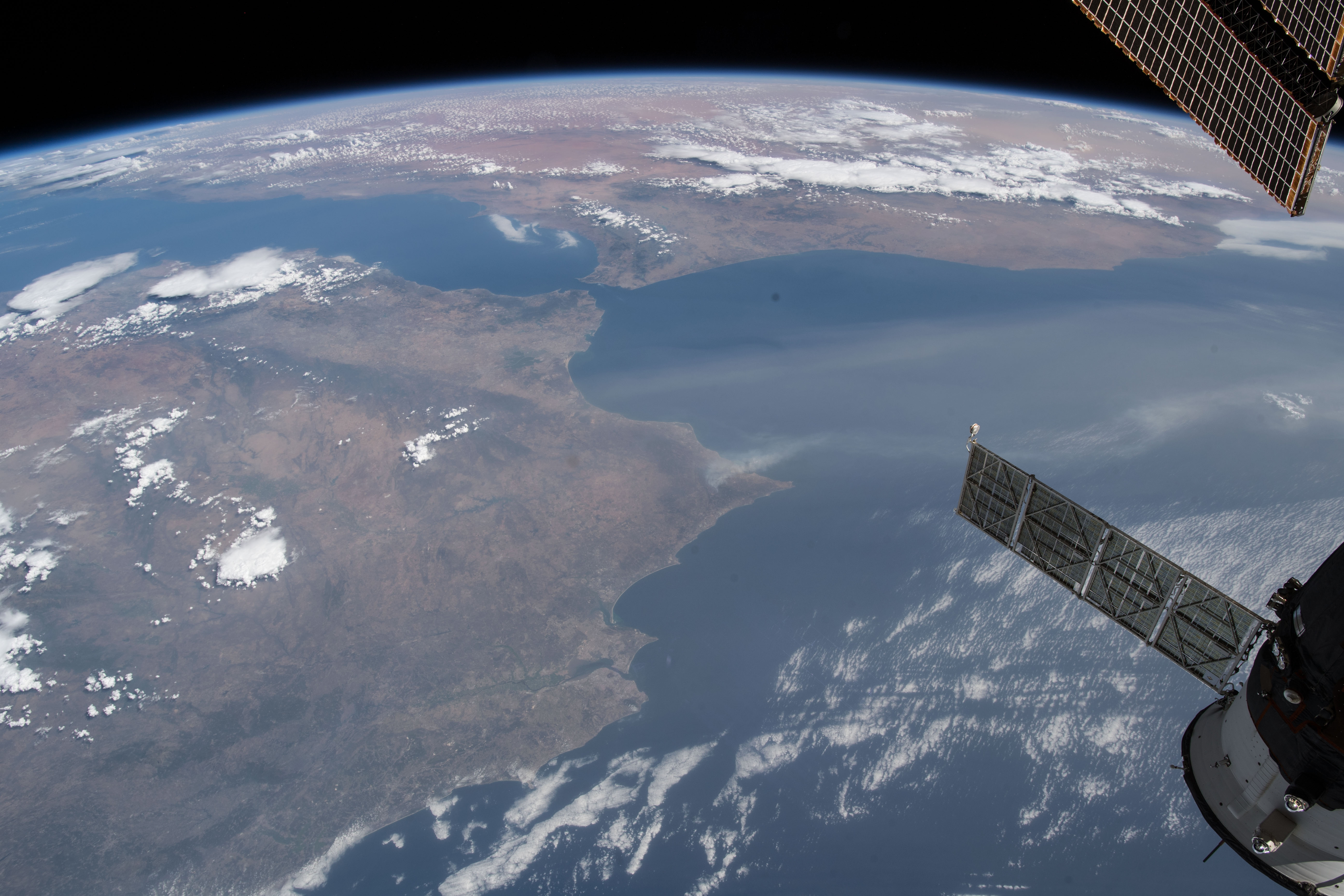
Wildfires are spreading rapidly across France, Spain, and Portugal, prompting large-scale evacuations and straining the resources of emergency services.
The scale of these blazes indicates a severe fire season that is challenging the containment capabilities of several European nations simultaneously. As fires intensify, the risk to residential areas and critical infrastructure increases, forcing governments to prioritize mass displacements to save lives.
Firefighters are currently struggling to contain blazes in the Madrid region of Spain. The rapid spread of these fires has created a volatile environment for first responders who are battling unpredictable wind patterns and dry terrain.
Evacuation numbers vary across reports due to the fluid nature of the crisis. One report indicates more than 140,000 people have been evacuated in France and Spain [1]. However, another report suggests the number of displaced residents across those two countries is over 250,000 [2].
Stefan Doerr, a professor of wildland fire science at Swansea University, said the fires are becoming harder to contain as environmental conditions shift, making traditional firefighting methods less effective against the intensity of the flames.
Authorities in Portugal are also grappling with devastating fires that have ravaged forest landscapes. The combined effort across the Iberian Peninsula and France has put a significant strain on regional firefighting assets, requiring coordinated international support to prevent further loss of life and property.
“Europe is experiencing a severe wildfire season”
The discrepancy in evacuation figures—ranging from 140,000 to 250,000 people—highlights the chaotic nature of the current crisis and the difficulty of real-time data collection during mass displacements. The inability to contain these fires suggests that Southern Europe is facing a systemic shift in wildfire behavior, where traditional containment strategies are being overwhelmed by more intense and rapid-spreading blazes.


