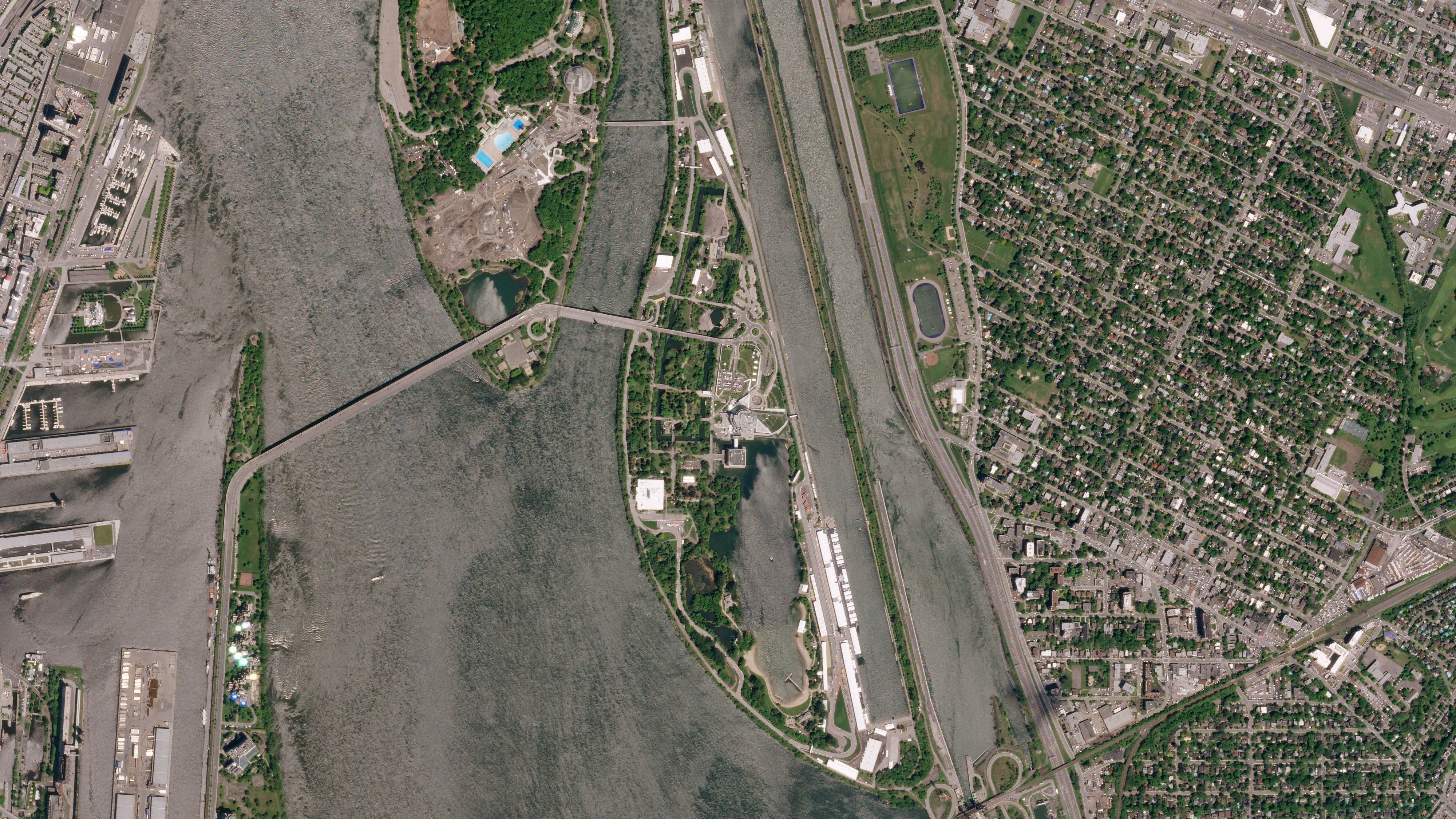
Groundhogs are at risk of being struck by Formula 1 cars during the Canadian Grand Prix weekend in Montreal [1, 2].
These wildlife incursions create safety hazards for both the animals and the drivers. When groundhogs run onto the track, they force high-speed drivers to make sudden maneuvers that can lead to accidents.
The issue persists at the Circuit Gilles Villeneuve, where groundhogs frequently enter the racing surface [1, 2]. The presence of these animals has led to conflicting reports regarding recent track incidents. Some reports indicate that a groundhog was struck on the track, while other accounts specify different drivers involved in animal-related mishaps [1, 3, 4].
According to some reports, driver Alex Albon crashed after swerving to avoid a groundhog [3]. Other accounts said that Lewis Hamilton hit a groundhog during the event [4]. The discrepancy in reporting highlights the nature of these high-speed encounters and the difficulty of confirming specific collisions in real time.
While some sources refer to the animals as marmots, local reporting identifies them as groundhogs [1, 5]. Regardless of the specific species, the pattern of wildlife entering the circuit remains a recurring struggle for race organizers who must balance the natural habitat of the area with the extreme speeds of Formula 1 racing.
Organizers continue to struggle with keeping the animals off the track to ensure the safety of the competitors [2]. The proximity of the circuit to natural areas makes the exclusion of local wildlife a persistent challenge during the race weekend.
“Groundhogs are at risk of being struck by Formula 1 cars during the Canadian Grand Prix weekend.”
The recurring presence of wildlife at the Circuit Gilles Villeneuve underscores the tension between hosting global sporting events and maintaining local ecological boundaries. Because a single animal on the track can trigger a high-speed crash, the inability to secure the perimeter suggests a systemic challenge in track management that could lead to further driver injuries or animal fatalities.