Dr. Anthony Fauci invoked his Fifth Amendment right and refused to answer questions during a Senate hearing on the COVID-19 response this week [1, 2].
This refusal marks a significant escalation in the long-standing conflict between the former National Institute of Allergy and Infectious Diseases director and Republican lawmakers. The move prevents the committee from obtaining direct testimony regarding the origins of the virus and the federal government's early pandemic strategy.
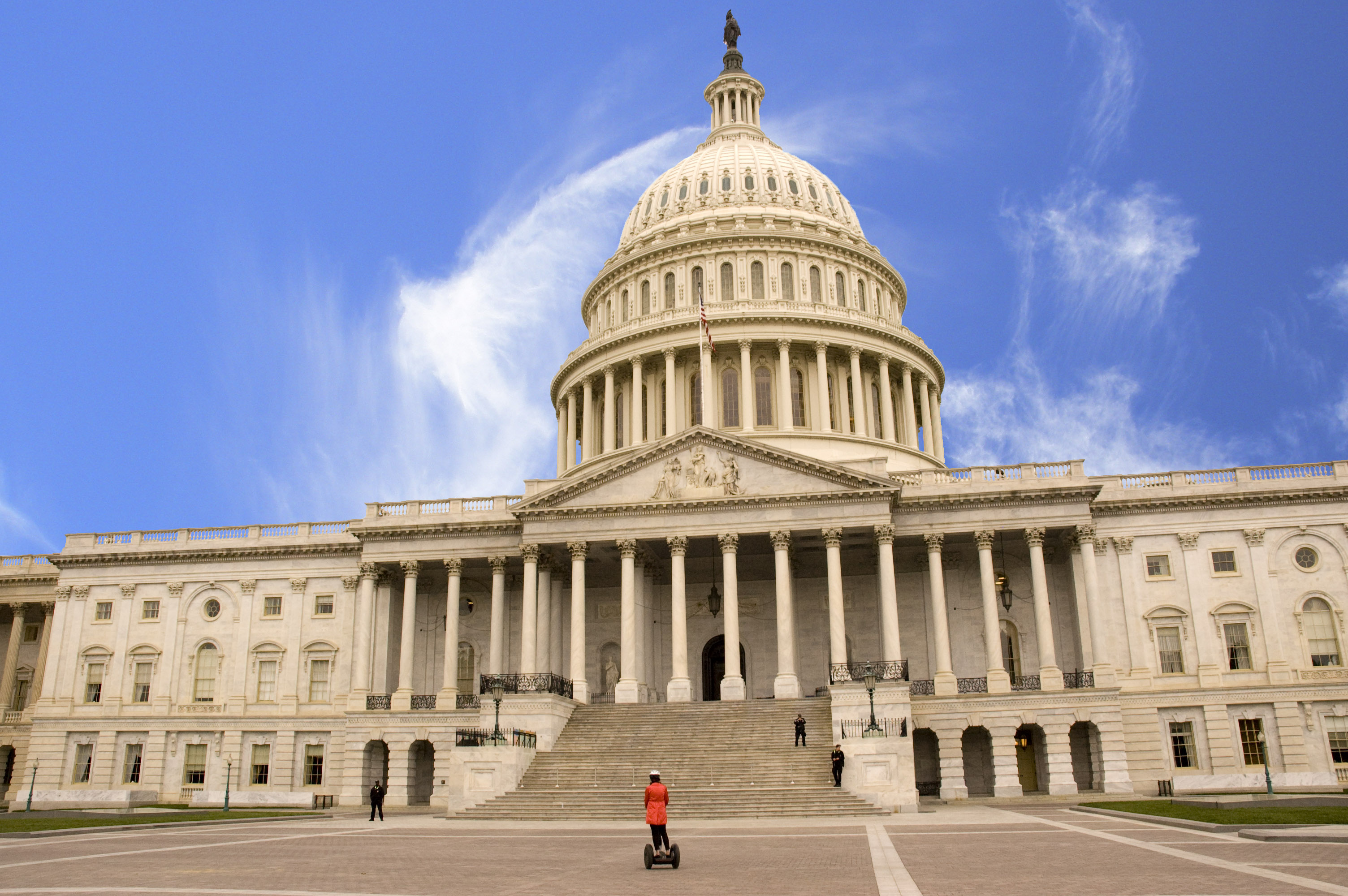
Fauci appeared before a federal Senate committee tasked with reviewing the COVID-19 response [1]. During the proceedings, he said that he would not answer any questions, citing the Fifth Amendment to avoid self-incrimination [1, 2].
Fauci attributed his decision to the conduct of Sen. Rand Paul (R-Ky). He said that Paul's "unhinged obsession" with him was the reason he would not provide testimony to the panel [1, 2].
Senate Republicans had scheduled the hearing to specifically question Fauci about the origins of COVID-19 [2]. The invocation of the Fifth Amendment effectively halts the line of questioning intended for the hearing, leaving the committee without the witness's cooperation on these specific topics [1, 2].
Fauci previously served as the director of the National Institute of Allergy and Infectious Diseases, where he was a primary architect of the U.S. public health response to the pandemic [1, 2].
“Dr. Anthony Fauci invoked his Fifth Amendment right and refused to answer questions”
The invocation of the Fifth Amendment by a high-ranking former public health official during a congressional inquiry is a rare occurrence. It signals a complete breakdown in cooperation between the executive branch's former health leadership and legislative oversight committees, likely ensuring that the debate over COVID-19 origins remains a polarized political issue rather than a settled factual one.