
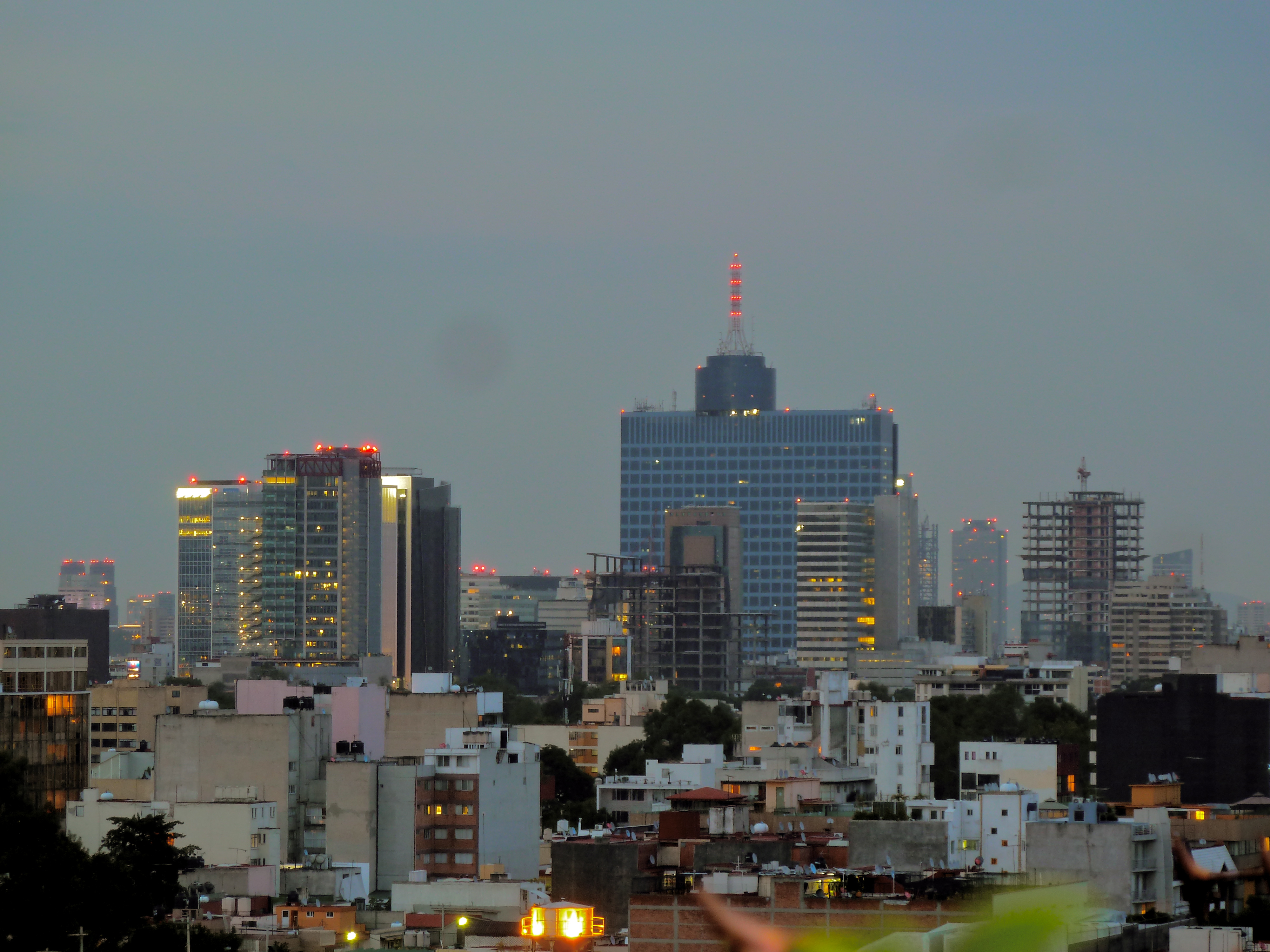
The 2026 FIFA World Cup will be played in 16 stadiums across 16 host cities in the U.S., Mexico, and Canada [1].
This expansion marks a significant shift in the tournament's scale, requiring an unprecedented amount of infrastructure to accommodate the largest field of teams in the competition's history.
FIFA and the host nations have coordinated to manage a schedule that includes 104 matches [2]. This volume of games is a direct result of the tournament expanding to include 48 participating teams [3].
"The 2026 FIFA World Cup is the largest tournament in the competition's history with matches being played across 16 host cities in the United States, Mexico and Canada," Gemma Nash of Al Jazeera English said.
To handle the increased load, the organizers selected 16 stadiums [1]. The logistical demands of the event are significant, as the tournament spans three different countries. Fox Sports staff said the increased number of teams creates a necessity for more venues to host the 104 matches [3].
MSN Sports said the full schedule, including dates, times, and stadiums, has been confirmed for all games [2]. The tournament is scheduled to take place throughout June and July 2026 [2].
This collaboration between the U.S., Mexico, and Canada represents the first time the tournament has been hosted by three nations simultaneously. The distribution of matches across the 16 cities is intended to maximize the reach of the event across the North American continent.
“The 2026 FIFA World Cup is the largest tournament in the competition's history”
The expansion to 48 teams and the use of three host nations signal FIFA's strategy to globalize the sport's reach and increase commercial revenue. By utilizing 16 cities across North America, the organization is testing a decentralized hosting model that reduces the burden on any single nation while maximizing regional viewership and ticket sales.


