
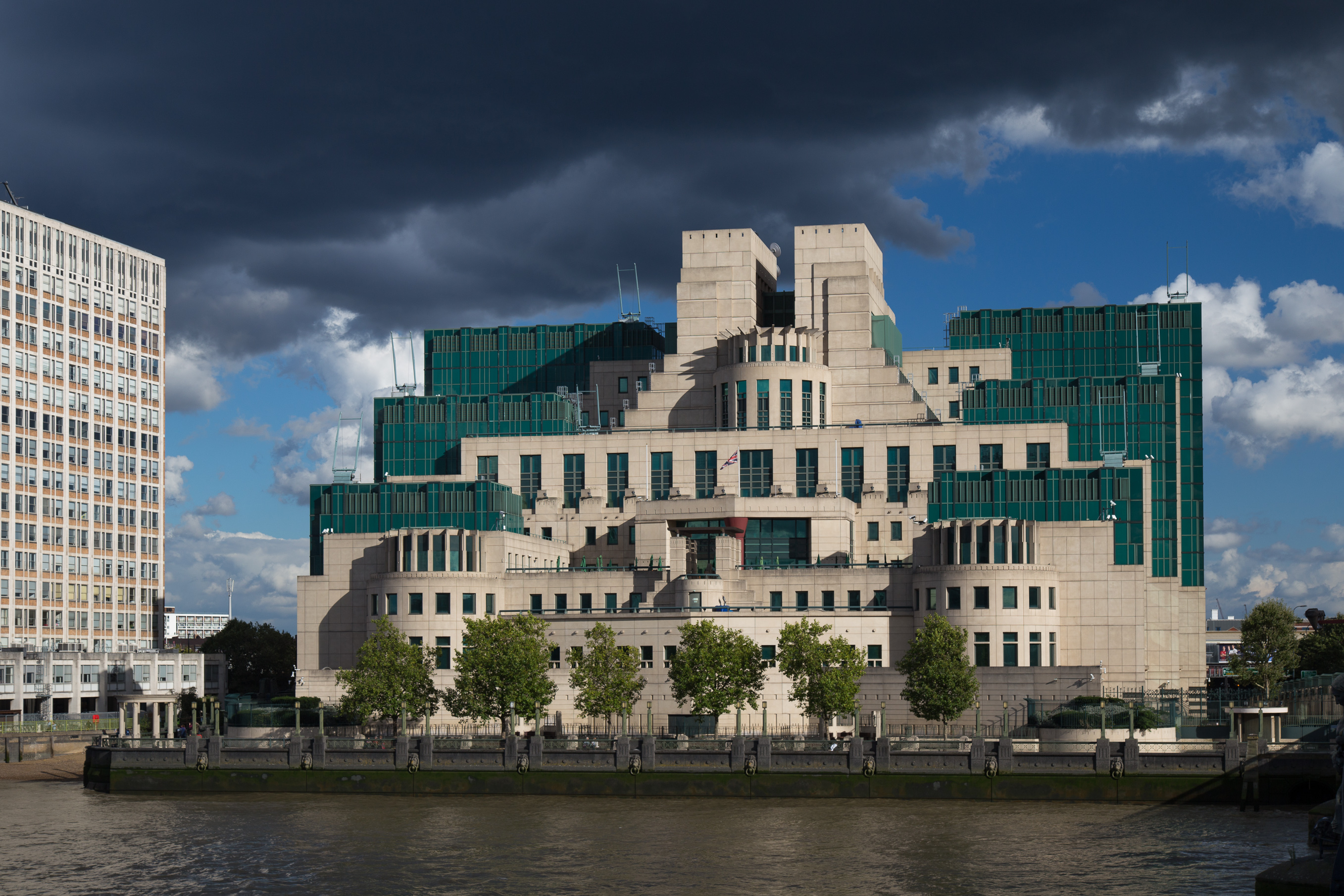
Sir Alex Younger, the former chief of the United Kingdom's Secret Intelligence Service, died Tuesday morning in Boston, U.S. [1, 4].
Younger led the agency, known as MI6, during a period of significant global instability and shifting security threats. His leadership oversaw the intelligence community's response to critical geopolitical crises, making his tenure a pivotal era for British foreign intelligence.
Younger was 62 [1]. He died June 3, 2026 [3], following complications from cancer that was diagnosed in 2025 [5].
Prime Minister Keir Starmer issued a statement regarding the former intelligence chief. "He led the Secret Intelligence Service with distinction from 2014 to 2020," Starmer said [2].
Younger served as the head of the agency for six years [2]. During that time, he managed the UK's clandestine operations and intelligence gathering on a global scale. Starmer said he gave his "utmost dedication to protecting the country" [1].
Details regarding the specific nature of his medical treatment in Boston were not provided in the official announcements. Younger had remained a prominent figure in security circles after his retirement from the agency in 2020 [2].
“He led the Secret Intelligence Service with distinction from 2014 to 2020.”
The death of Sir Alex Younger marks the loss of a key architect of modern British intelligence. Having led MI6 from 2014 to 2020, Younger navigated the agency through the rise of digital espionage and the complexities of the post-Brexit security landscape, leaving a legacy of professionalized intelligence gathering during a decade of extreme geopolitical volatility.


