
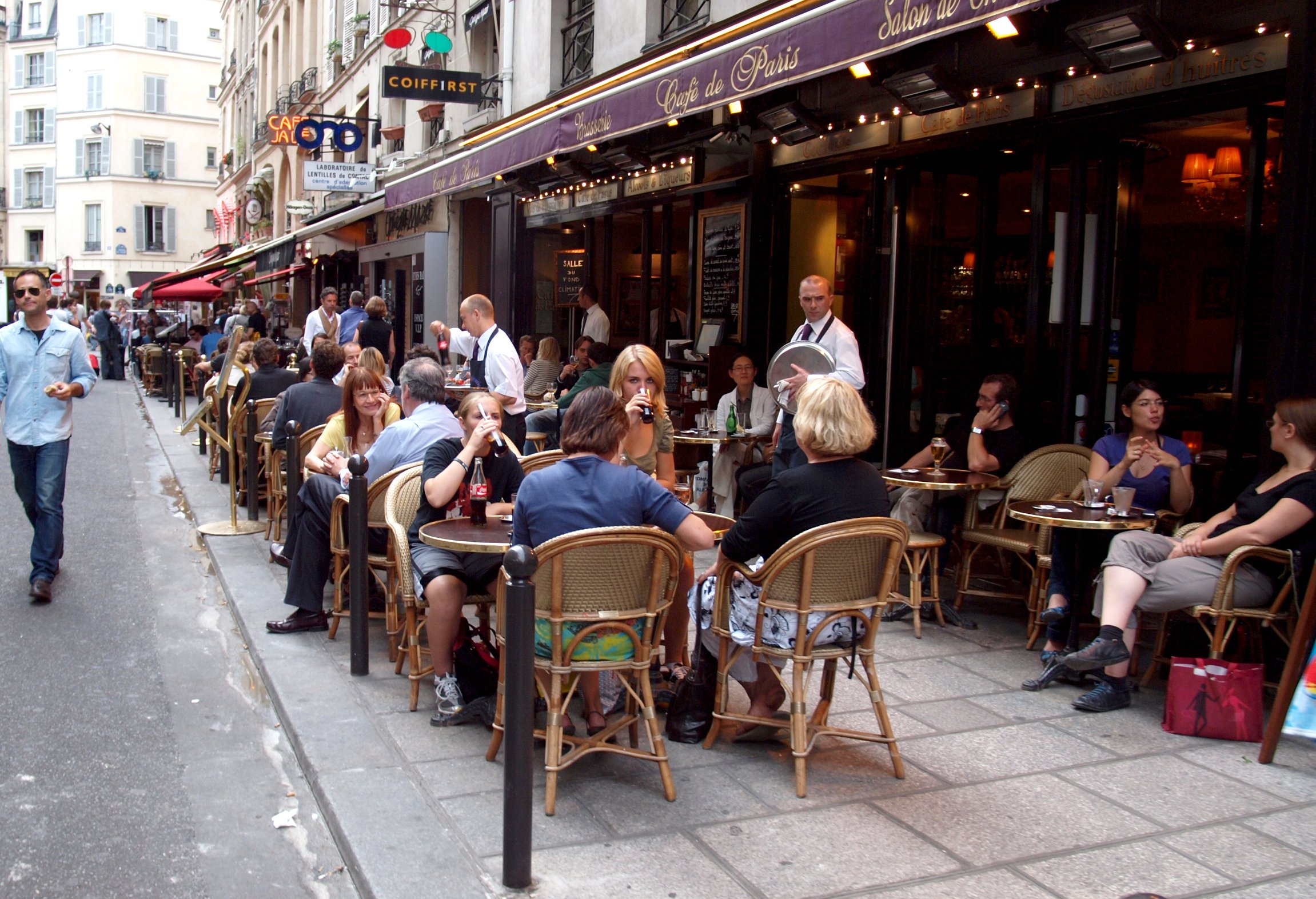
France 24 English released a video detailing the growing popularity of "third places," known in French as *tiers-lieux* [1].
These spaces serve as critical social infrastructure by providing environments outside of the home and the workplace. As urban isolation increases, these hubs offer a way to rebuild local connections and encourage civic participation.
According to the report, third places are designed to promote community and democracy [1]. By creating shared spaces for interaction, these venues allow citizens to engage with one another in less formal settings than traditional government or corporate environments. The report said these areas are essential for fostering social cohesion within French society [1, 2].
Beyond their political and social utility, the video explores the practicalities of navigating these spaces. This includes guidance on social etiquette and how to ask others to spend time together using the French language [1].
These locations often repurpose underused buildings or create new communal hubs to ensure accessibility for diverse populations. The trend reflects a broader shift toward prioritizing collective well-being, and social interaction over individualistic routines [1, 2].
“These spaces serve as critical social infrastructure by providing environments outside of the home and the workplace.”
The rise of 'tiers-lieux' suggests a systemic effort in France to combat loneliness and political polarization. By institutionalizing 'third places,' the country is attempting to revitalize the public square, moving democratic engagement away from digital platforms and back into physical, community-led environments.


