
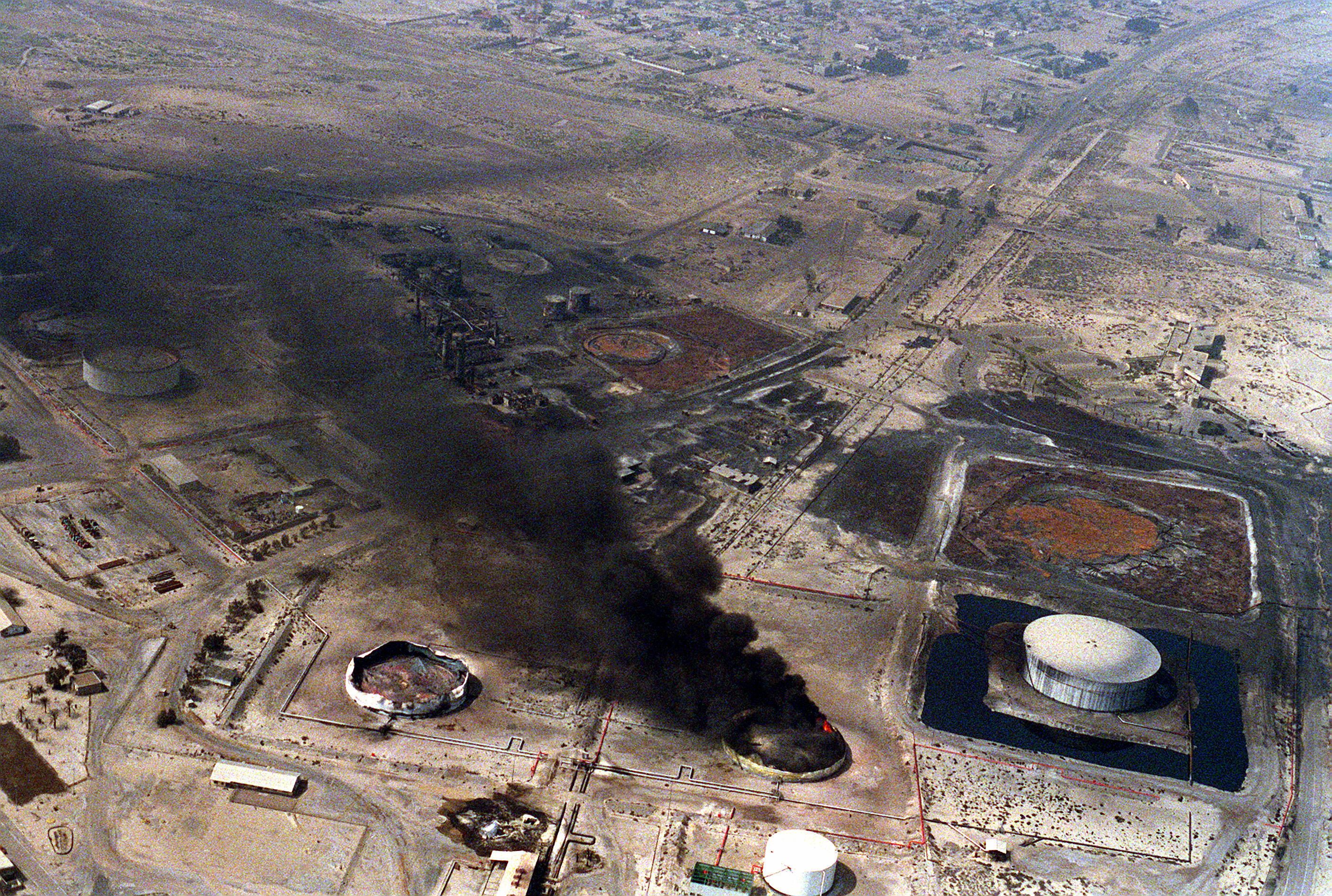
Analysts said the Iranian Revolutionary Guard is attacking infrastructure and civilian facilities in Kuwait and Bahrain while conducting military piracy in the Strait of Hormuz [1].
These developments are significant because they suggest a strategic effort to expand a localized conflict into a broader regional war. By targeting Gulf neighbors, Iran may be attempting to shift the geopolitical landscape to its advantage during diplomatic processes.
Dr. Saleh Al‑Mutairi, head of the Al‑Madar Center for Studies, and Dr. Abdullah Bandar Al‑Otaibi, an assistant professor at Qatar University, discussed the escalation in a recent analysis [1]. They said that Iran is allegedly attempting to turn Kuwait and Bahrain into arenas for settling scores [1].
According to the analysts, these actions are intended to exert pressure within the Doha negotiations [1]. The use of military piracy in the Strait of Hormuz further complicates maritime security in one of the world's most critical shipping lanes, a move seen as a tactic to drag the region into a wider conflict [1].
Gulf states are now facing a situation where traditional security arrangements may no longer be sufficient. The targeting of civilian facilities indicates a shift in tactics that necessitates a revised approach to regional defense [1].
As the situation evolves, the focus remains on whether the Doha negotiations can mitigate these tensions or if the IRGC will continue to use infrastructure attacks as a diplomatic lever [1].
“Iran is allegedly trying to turn Kuwait and Bahrain into arenas for settling scores.”
The reported escalation suggests that Iran is utilizing a 'hybrid' strategy—combining direct infrastructure attacks and maritime disruption—to gain leverage in diplomatic negotiations. If Kuwait and Bahrain are viewed as soft targets for settling scores, GCC members may be forced to accelerate the creation of a new, integrated security framework to deter further IRGC incursions.


