
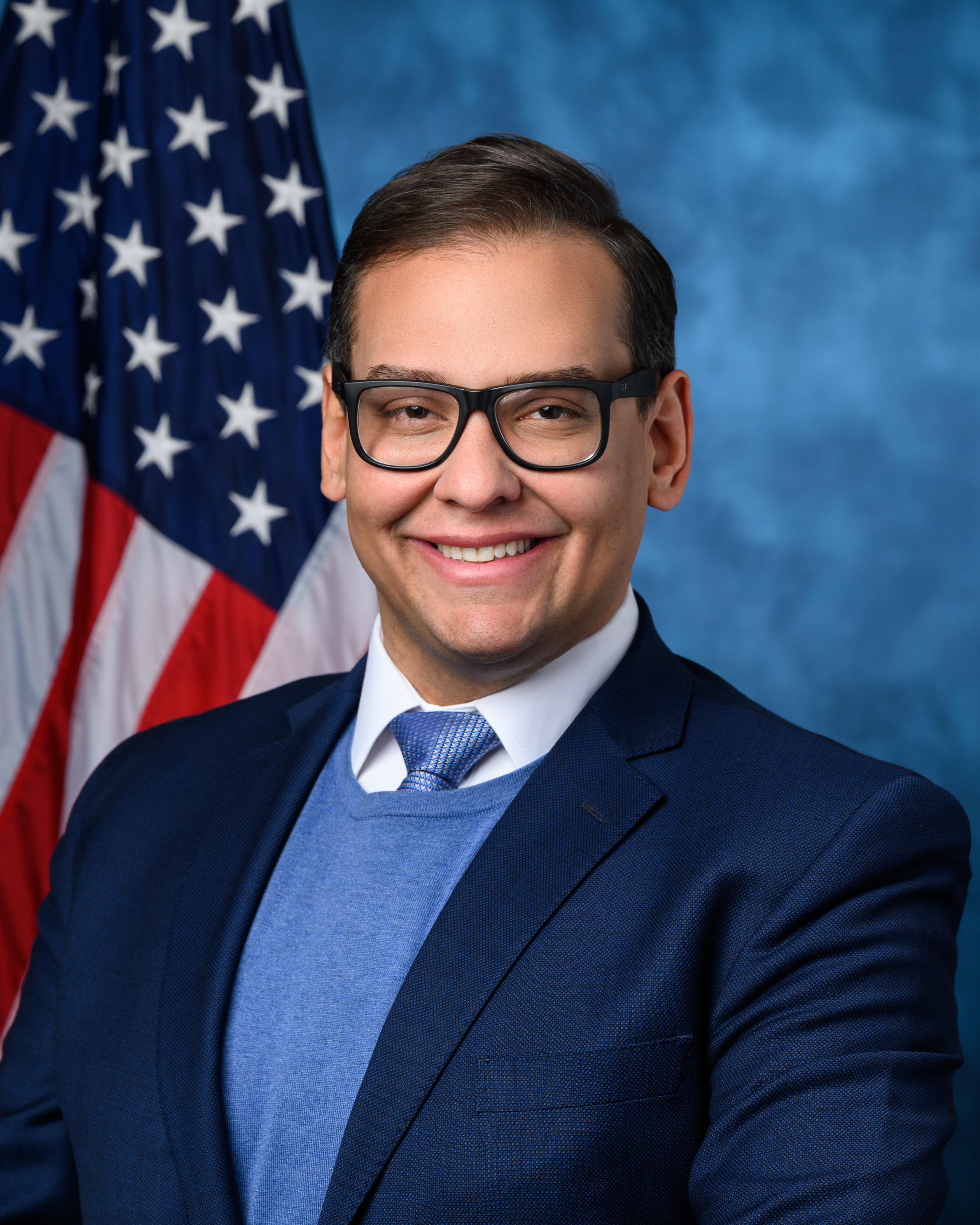
The U.S. Department of Justice has opened an investigation into former Representative George Santos for alleged insider trading on the platform Kalshi [1].
This federal probe highlights the growing regulatory scrutiny of prediction markets, where users wager on the outcome of real-world events. If the investigation finds that Santos used non-public information to profit from these bets, it could establish a significant legal precedent for how insider trading laws apply to non-traditional financial markets.
Kalshi, an online U.S. prediction-market platform, detected suspicious trading activity that appeared to be based on non-public information [2]. These trades included wagers placed on events involving Santos himself [3]. Following this discovery, the platform made a referral to the Department of Justice, which opened the investigation in early June 2026 [2].
Two sources familiar with the matter provided details regarding the investigation [4]. The probe focuses on whether Santos leveraged his former position or private knowledge to gain an unfair advantage in the market [3].
Santos previously served as a representative from New York. While he is no longer in office, the Department of Justice is examining the timing and nature of the trades to determine if federal laws were violated [5]. The investigation remains active, and no formal charges have been announced as of Wednesday [6].
“The U.S. Department of Justice has opened an investigation into former Representative George Santos”
This investigation signals that federal authorities are expanding their oversight of prediction markets to include insider trading enforcement. By targeting wagers based on non-public information, the DOJ is asserting that these platforms are not merely gaming sites but financial instruments subject to the same integrity standards as the stock market.


