Temporary Protected Status for more than 300,000 Haitian nationals living in the U.S. expired in late July 2026 [1].
The expiration removes critical legal protections and work authorizations for a significant population of immigrants. This shift leaves thousands of individuals vulnerable to deportation and creates immediate labor shortages for U.S. employers [2, 3].
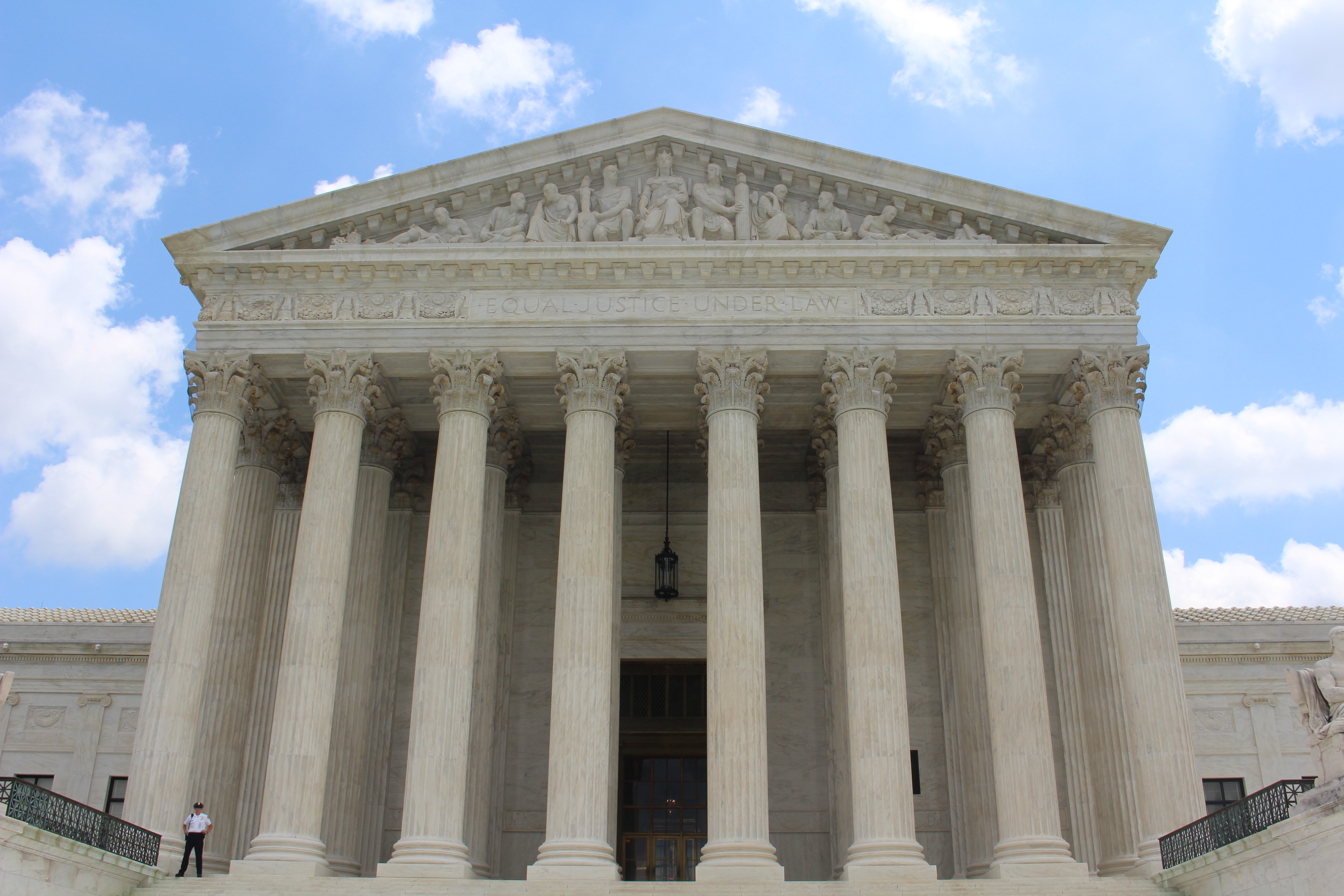
The loss of status follows a Supreme Court ruling that upheld a decision by the Trump administration to terminate the program. The court said that conditions in Haiti no longer meet the statutory criteria required to maintain the protected status [1, 4].
In cities like Springfield, Ohio, the impact is particularly acute as community members face an uncertain legal future [2, 5]. The sudden loss of work authorization has sown confusion for thousands of Haitian immigrants and the businesses that employ them [3].
Employers across various sectors are now bracing for labor shortages as their staff lose the legal right to work [2]. The expiration means that those who relied on TPS for residency and employment are no longer authorized to remain in the country legally.
Reports indicate that Immigration and Customs Enforcement is expected to ramp up operations against Haitian migrants following the court's decision [4]. This increase in enforcement activities coincides with the expiration of the legal shield that previously prevented the removal of these residents.
“TPS for more than 300,000 Haitian nationals living in the U.S. expired in late July 2026.”
The expiration of TPS represents a significant shift in immigration enforcement, moving from a period of temporary stability to one of active removal. Because the Supreme Court determined that Haiti's conditions no longer justify protected status, the legal pathway for these residents to remain and work has been closed, potentially disrupting local economies and increasing the caseload for federal immigration authorities.


