
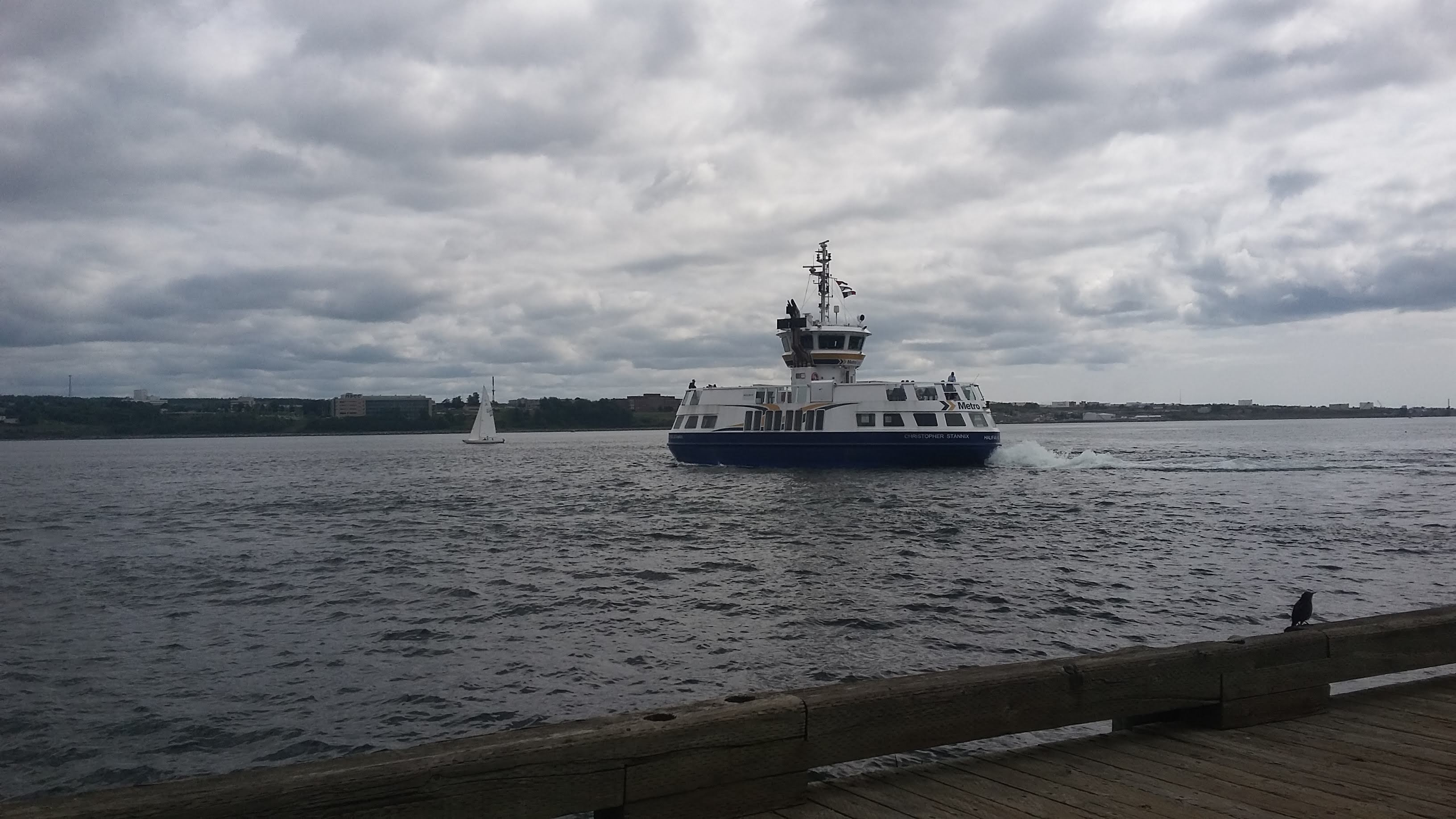
FlyteBoat has launched an all-electric water taxi service providing transportation across Halifax Harbour and various stops around the port city [1, 2, 3].
The new service introduces a low-emission alternative to traditional harbor transit, aiming to reduce traffic congestion for both local residents and tourists [1, 2].
Founded by Topher Kingsley-Williams and Chris Watters, the company operates vessels designed to navigate the waters between Dartmouth and other key points in the harbor [1, 2]. The initiative seeks to modernize the way passengers cross the water by replacing combustion engines with electric propulsion [1].
Spokesperson Skye Bryden-Blom said the company is establishing its presence in the region [1, 2]. By offering a sustainable transit option, the service provides a shift in how commuters and visitors interact with the city's waterfront [1, 2].
The launch comes as part of a broader effort to integrate greener technology into urban transport networks. The electric taxis are intended to serve as a viable alternative to road-based travel, which often contributes to congestion in the downtown core [1, 2].
FlyteBoat's operations focus on accessibility and environmental impact. The use of electric motors eliminates the exhaust emissions typically associated with water taxis, aligning the service with regional goals for reducing the carbon footprint of city transit [1, 2].
“FlyteBoat has launched an all-electric water taxi service providing transportation across Halifax Harbour”
The introduction of FlyteBoat signals a shift toward the electrification of niche maritime transit in Atlantic Canada. By targeting the commute between Dartmouth and Halifax, the service addresses a specific geographic bottleneck while testing the scalability of electric propulsion in a commercial harbor environment.


