
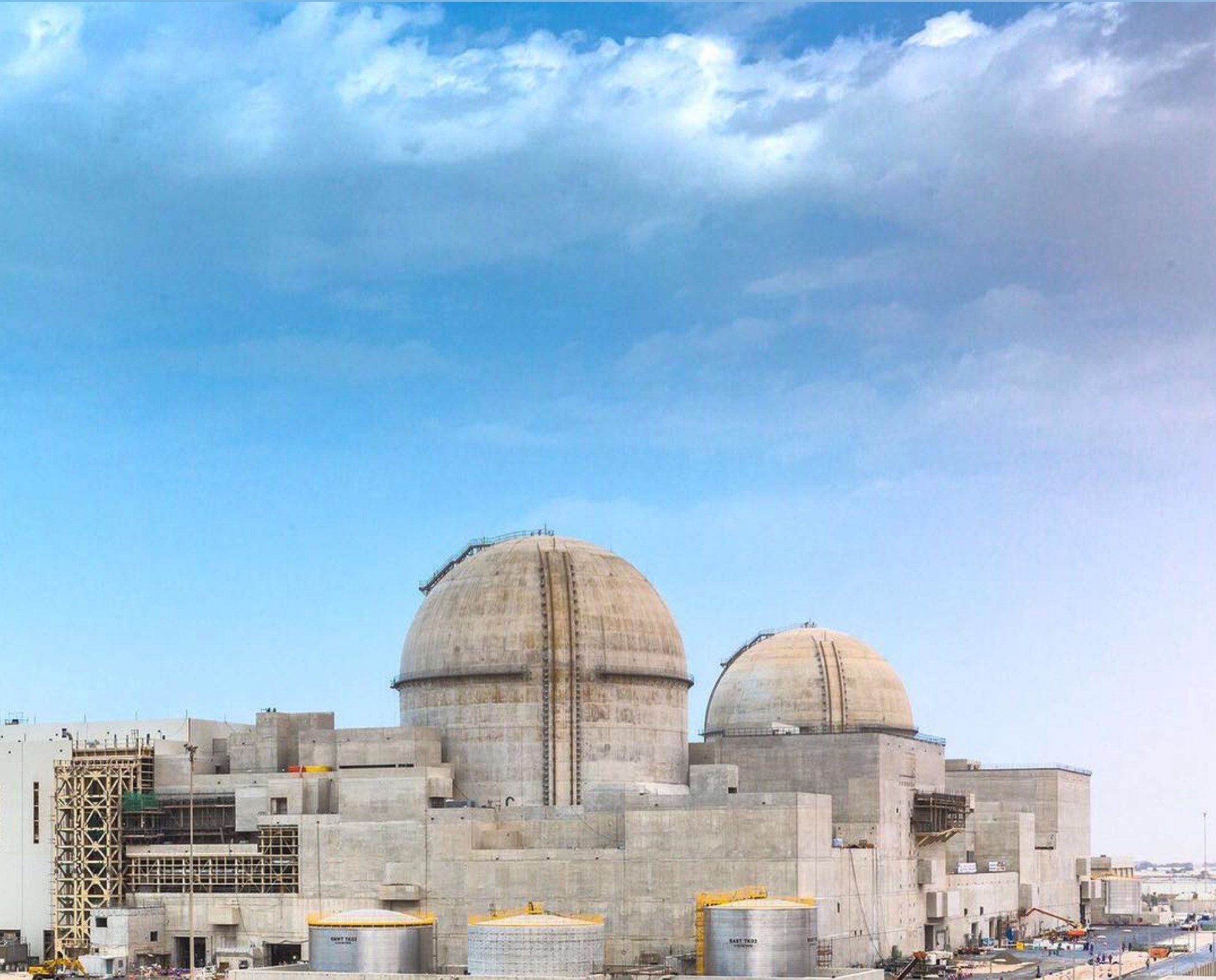
International Atomic Energy Agency Director General Rafael Grossi said that a direct strike on the Barakah nuclear power plant could trigger a radioactive disaster [1, 2].
The warning follows a drone strike that caused a fire at an electrical generator located near the facility in the United Arab Emirates [1, 2]. This incident highlights the vulnerability of critical energy infrastructure to aerial attacks and the potential for catastrophic environmental consequences if reactor containment is breached.
Grossi said the event raised grave concerns over nuclear safety and regional security [1, 2]. While the strike targeted a generator rather than the reactor cores themselves, the proximity of the fire to the plant's core operations creates a precarious situation for the facility's stability.
Nuclear plants are designed with multiple layers of safety, but external kinetic attacks can bypass traditional fail-safes. A direct hit on the primary containment structures or the cooling systems could lead to a meltdown or a significant leak of radioactive materials into the atmosphere [1, 2].
The IAEA continues to monitor the situation at the Barakah plant to ensure that safety protocols remain intact. Despite the fire at the generator, reports indicate that radiation levels at the site remain normal [1, 2].
The agency's response emphasizes the need for enhanced protection of nuclear sites globally. The use of unmanned aerial vehicles to target energy infrastructure represents a growing threat to international stability, especially in regions with heightened geopolitical tensions.
Grossi said the incident serves as a reminder that the safety of nuclear installations is paramount to preventing a global health crisis [1, 2].
“A direct strike on the Barakah nuclear power plant could trigger a major radioactive disaster.”
The incident at the Barakah plant demonstrates that the peripheral infrastructure of a nuclear site, such as electrical generators, can be targeted to disrupt operations or create hazards. While the lack of radiation leakage prevents an immediate crisis, the event signals a shift in the risk profile for nuclear energy in the Middle East, where drone technology is increasingly used in asymmetric warfare.


