
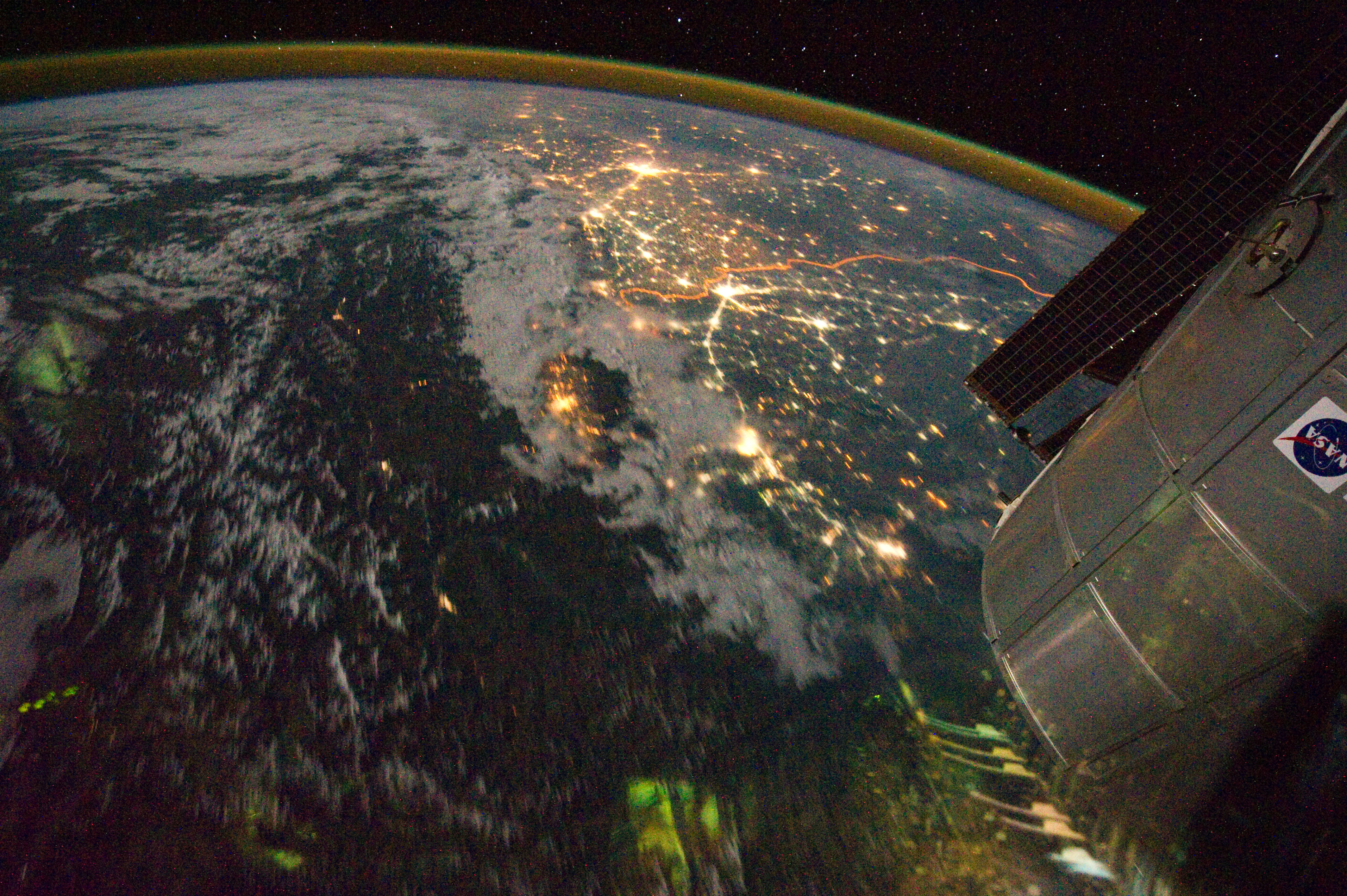
Union Home Minister Amit Shah said the Indian government is considering expanding the operational mandate of the Border Security Force (BSF).
This move signals a strategic shift in how India manages its frontiers, prioritizing high-tech surveillance to counter evolving threats of infiltration and smuggling. The proposed changes target the borders shared with Pakistan and Bangladesh, where security challenges remain persistent.
Speaking in Bhuj, Gujarat, on May 29, 2024, Shah said the government is mulling the assignment of new sectors to the BSF [1, 2]. This expansion is intended to coincide with the 60th year of the BSF [1]. The plan includes the creation of a technology-enabled "smart border," or a quadrangular security grid, to tighten control over the perimeter [1, 2, 3].
To achieve this, the government intends to deploy drones, radars, and other smart surveillance systems [1, 4]. These technological upgrades are slated for deployment within the next year [4]. The initiative aims to address demographic threats and prevent illegal crossings by replacing or augmenting traditional patrolling with automated monitoring [1, 4].
The BSF has long served as the primary force for guarding the borders with Pakistan and Bangladesh, but the proposed mandate expansion suggests a need for more flexible operational capabilities. By integrating a smart grid, the force can monitor vast, difficult terrains in real time—reducing the reliance on manual checkpoints in high-risk zones.
Shah said the goal is to strengthen national security through this modernization effort [1, 4]. The transition to a smart border is expected to provide more comprehensive data on movement across the frontiers, allowing for faster response times to security breaches [1].
“The government is considering expanding the Border Security Force's operational mandate”
The transition toward a 'smart border' reflects a broader trend in global border management, moving from physical barriers and human patrols to electronic surveillance. By expanding the BSF's mandate and integrating AI-driven tools like drones and radar, India seeks to mitigate the human error associated with patrolling porous borders and respond more effectively to asymmetrical threats such as smuggling and unauthorized infiltration.



'%2F%3E%0A%20%20%20%20%3Crect%20width%3D'1600'%20height%3D'900'%20fill%3D'url(%23v)'%2F%3E%0A%20%20%20%20%3Cg%20opacity%3D'0.08'%20fill%3D'%23ffffff'%3E%0A%20%20%20%20%20%20%3Ccircle%20cx%3D'1420'%20cy%3D'180'%20r%3D'220'%2F%3E%0A%20%20%20%20%20%20%3Ccircle%20cx%3D'1500'%20cy%3D'760'%20r%3D'120'%2F%3E%0A%20%20%20%20%3C%2Fg%3E%0A%20%20%20%20%3Cline%20x1%3D'80'%20y1%3D'172'%20x2%3D'220'%20y2%3D'172'%20stroke%3D'%23ffffff'%20stroke-width%3D'3'%20stroke-opacity%3D'0.6'%2F%3E%0A%20%20%20%20%3Ctext%20x%3D'80'%20y%3D'140'%20font-family%3D'Inter%2C%20-apple-system%2C%20Helvetica%2C%20sans-serif'%20font-weight%3D'700'%20font-size%3D'28'%20fill%3D'%23ffffff'%20letter-spacing%3D'6'%3EHANNA%20%C2%B7%20NEWS%3C%2Ftext%3E%0A%20%20%20%20%3Ctext%20x%3D'80'%20y%3D'230'%20font-family%3D'Inter%2C%20-apple-system%2C%20Helvetica%2C%20sans-serif'%20font-weight%3D'600'%20font-size%3D'40'%20fill%3D'%23ffffffb3'%20letter-spacing%3D'4'%3EWORLD%3C%2Ftext%3E%0A%20%20%20%20%3Ctext%20x%3D'80'%20y%3D'694'%20font-family%3D'Playfair%20Display%2C%20Georgia%2C%20serif'%20font-weight%3D'800'%20font-size%3D'110'%20fill%3D'%23ffffff'%20letter-spacing%3D'-1'%3EMan%20Killed%20in%20Aurora%3C%2Ftext%3E%3Ctext%20x%3D'80'%20y%3D'820'%20font-family%3D'Playfair%20Display%2C%20Georgia%2C%20serif'%20font-weight%3D'800'%20font-size%3D'110'%20fill%3D'%23ffffff'%20letter-spacing%3D'-1'%3EHit-and-Run%20Crash%3C%2Ftext%3E%0A%20%20%20%20%3Ctext%20x%3D'80'%20y%3D'870'%20font-family%3D'Inter%2C%20-apple-system%2C%20Helvetica%2C%20sans-serif'%20font-weight%3D'500'%20font-size%3D'22'%20fill%3D'%23ffffff66'%20letter-spacing%3D'2'%3Enews.hanna-ai.com%3C%2Ftext%3E%0A%20%20%3C%2Fsvg%3E)