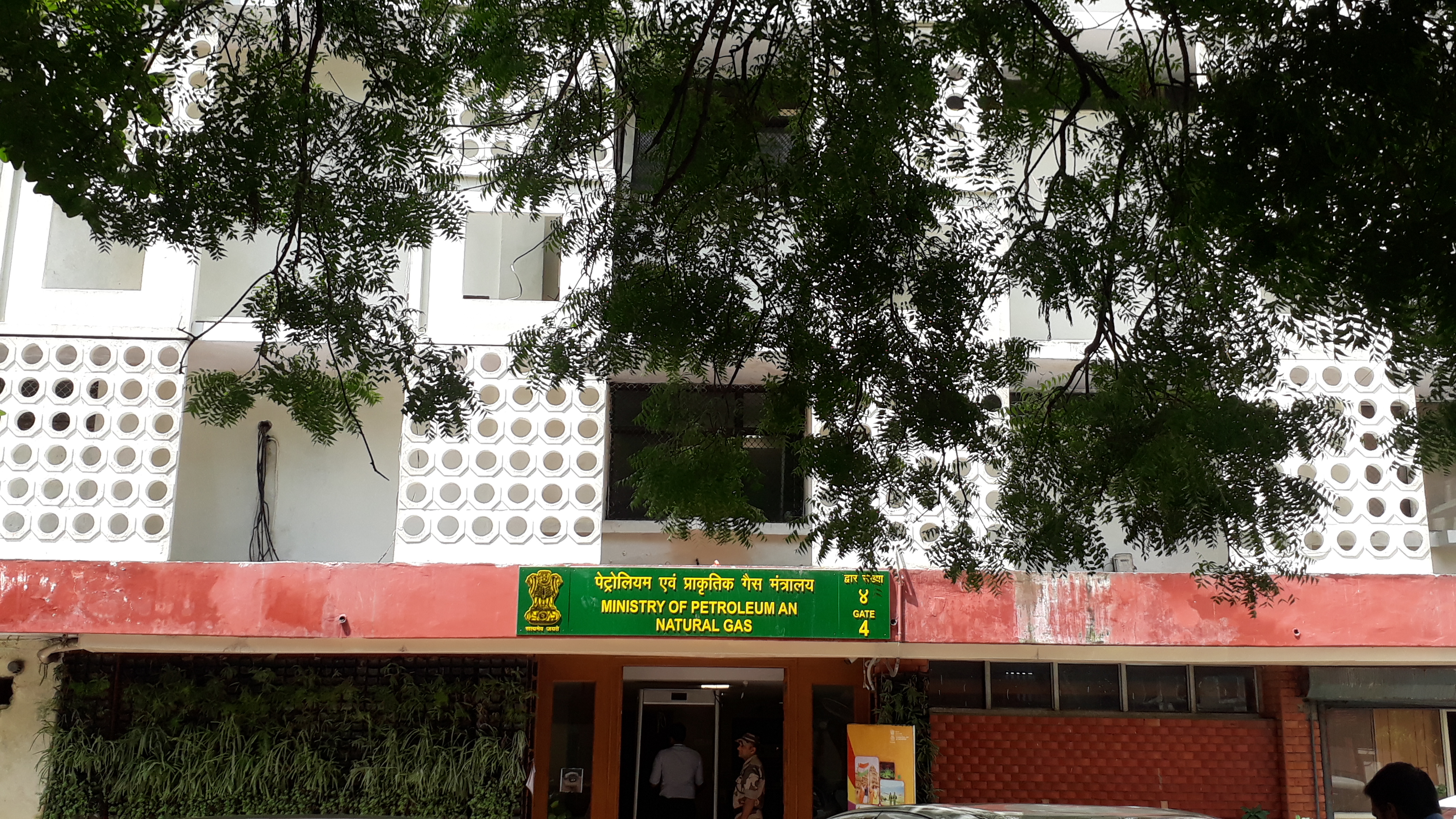
India's Ministry of Petroleum and Natural Gas said Sunday that it never proposed exporting E20 petrol to Bhutan.
The denial follows a wave of social media reports suggesting that Bhutan had rejected an offer to import the fuel. Because ethanol blending is a key part of India's energy strategy, misinformation regarding its international adoption could impact diplomatic perceptions and trade narratives between the two neighbors.
According to the ministry, claims that Bhutan declined an offer to import E20 petrol from India are incorrect [1]. The ministry said that no such proposal for exporting the fuel to the neighboring country currently exists [3].
E20 petrol is a fuel blend that contains 20% ethanol [1]. India has been aggressively pushing for higher ethanol blending within its own borders to reduce oil imports and lower carbon emissions.
Government officials sought to correct the misinformation circulating online to prevent further confusion. A spokesperson for the ministry said, "No such offer was ever made" [1].
The ministry said that there is no such proposal for exporting E20 petrol to the neighboring country [3]. The clarification comes as the Indian government continues to manage its domestic fuel supply and distribution through various oil marketing companies.
While the reports gained traction on social platforms and some regional news outlets, the central government maintained that the narrative of a "rejection" was based on a premise that did not exist. The ministry said the claims were false [3].
“"No such offer was ever made."”
This incident highlights the volatility of social media as a source for diplomatic news and the speed at which misinformation regarding energy policy can spread. By explicitly denying the proposal, India is protecting its domestic E20 rollout from being framed as a failure in the international market, while simultaneously ensuring that its relationship with Bhutan is not strained by unfounded reports of trade disputes.


