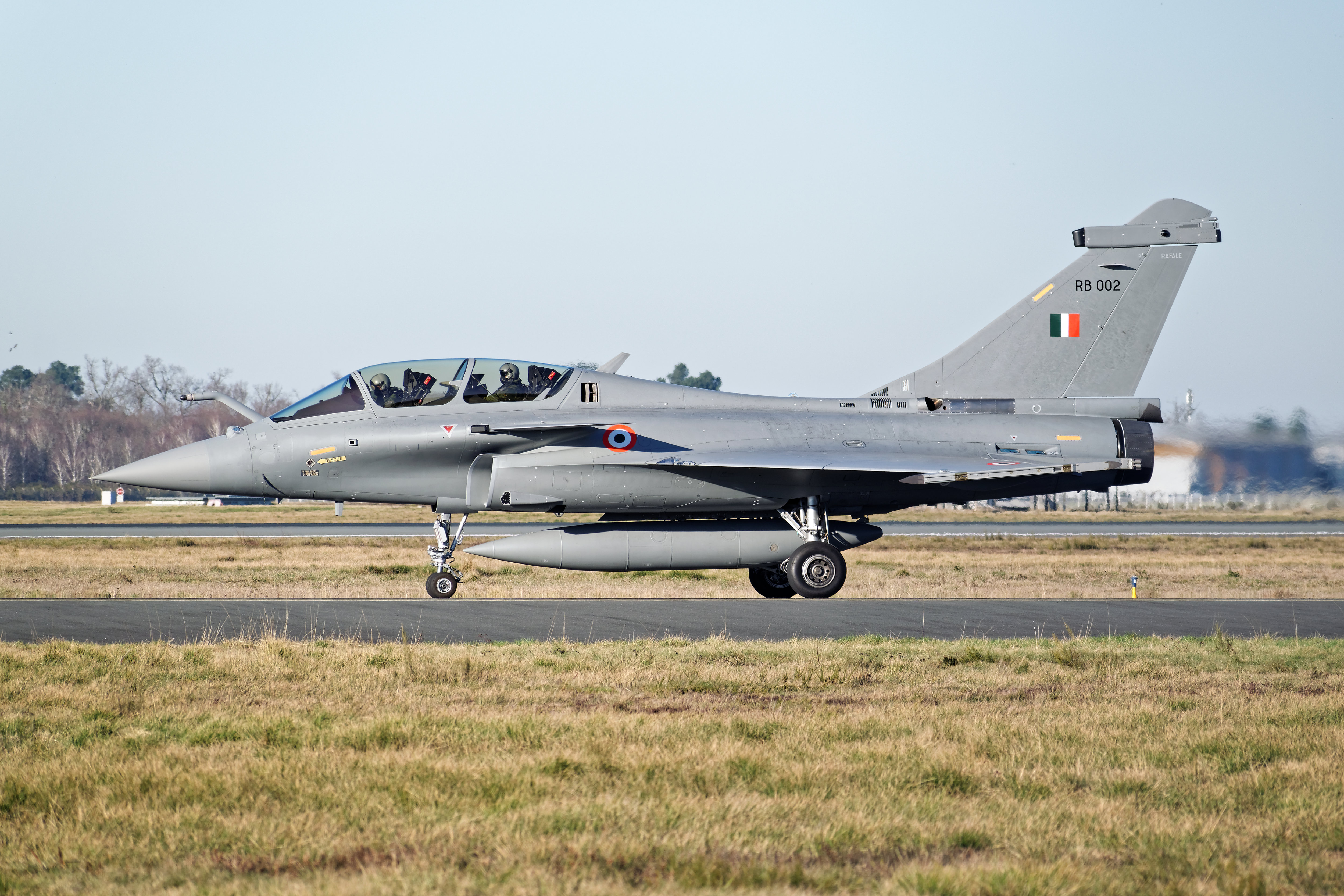
The Indian Air Force issued a tender for interim bridge support to maintain its fleet of 36 [1] Rafale fighter jets.
This procurement effort comes as tensions rise following claims from Pakistan regarding the operational vulnerability of the aircraft. The move to secure maintenance support is intended to ensure the readiness of the fleet, though it has reignited disputes over previous cross-border engagements.
Lieutenant General Ahmed Sharif, a spokesperson for the Pakistani military, said the country successfully engaged Indian aircraft during a mission known as Operation Sindoor. According to reports from June 2024, Sharif said, "We have successfully engaged and downed Indian Rafale jets during Operation Sindoor."
Pakistani officials claim that two [2] Rafale jets were downed during the clash. These assertions contrast with the Indian Air Force's current efforts to maintain the fleet's operational integrity through the new tender process.
The tender focuses on providing bridge support for the 36 [1] aircraft to prevent gaps in maintenance, and readiness. The IAF has not issued a formal rebuttal to the specific claims made by General Sharif regarding the losses during Operation Sindoor.
Air-defense capabilities remain a point of contention between the two nations. While India focuses on the technical sustainment of its French-made jets, Pakistan presents the alleged shoot-downs as evidence of its own defensive strength in the border region.
“The Indian Air Force issued a tender for interim bridge support to maintain its fleet of 36 Rafale fighter jets.”
The intersection of a maintenance tender and claims of combat losses highlights the psychological warfare inherent in the India-Pakistan rivalry. While the IAF tender is a standard operational requirement to ensure fleet readiness, the timing allows Pakistan to frame the procurement as a response to vulnerability. The discrepancy between the reported losses and the official Indian narrative underscores the difficulty of verifying air combat results in contested border regions.


