Indian authorities are investigating a theft of offerings at the Ram Mandir in Ayodhya while managing several other national and international crises.
These events highlight a volatile period of security vulnerabilities, ranging from religious site thefts and military accidents to deteriorating diplomatic relations with neighboring Pakistan.
A Special Investigation Team (SIT) has interrogated 33 people [1] regarding the stolen offerings at the Ram Mandir. Officials said the incident hurt the sentiments of devotees and promised that perpetrators would receive strict punishment. Despite reports of political involvement, sources said Prime Minister Narendra Modi had no conversation with Vinay Kataria regarding the theft [1].
In a separate military tragedy, five IAF personnel died [2] in an AN-32 aircraft crash in the Jorhat district of Assam. The incident occurred during the aircraft's landing phase [2].
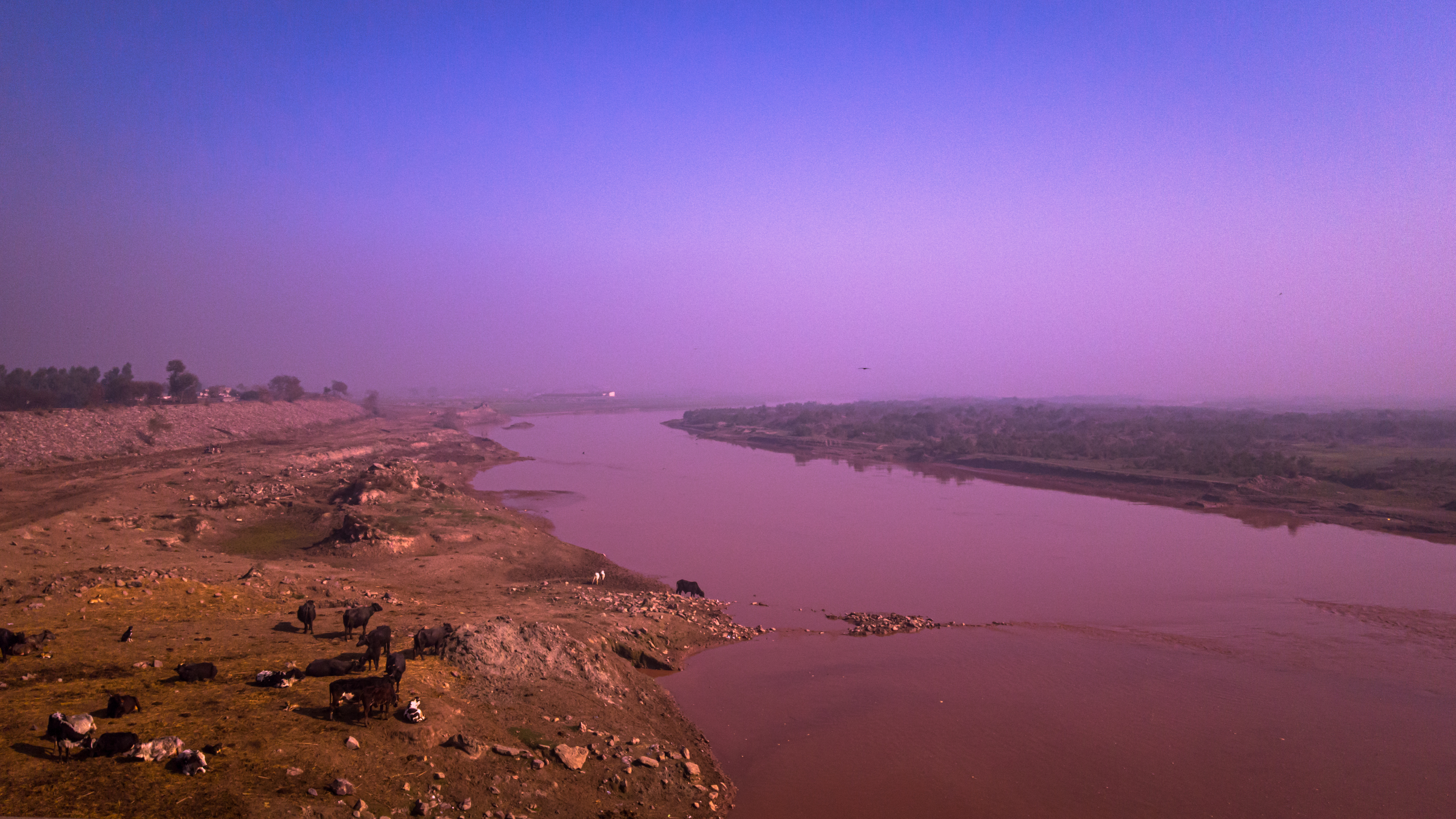
On the diplomatic front, Pakistan has rejected the Sindhu water treaty. Pakistan officials said concerns over terrorism were the reason for the rejection [2]. This move threatens to destabilize water-sharing agreements between the two nations, a critical component of regional stability.
Public safety concerns have also risen in various Indian cities following reports of e-rickshaw engines being shut off remotely via mobile phones [2]. These incidents have sparked a debate over the security of the digital systems used in public transport.
Internationally, attention has turned to Tehran for the funeral of Iran’s Supreme Leader Ali Khamenei [2]. The event marks a significant transition in Iranian leadership and has drawn global diplomatic scrutiny.
“The SIT has interrogated 33 people regarding the stolen offerings at the Ram Mandir.”
The convergence of these events suggests a period of heightened instability for India. The combination of a security breach at a high-profile religious site and a fatal military crash indicates internal operational challenges, while the rejection of the Sindhu water treaty by Pakistan signals a deepening diplomatic rift that could lead to further regional conflict over essential natural resources.


