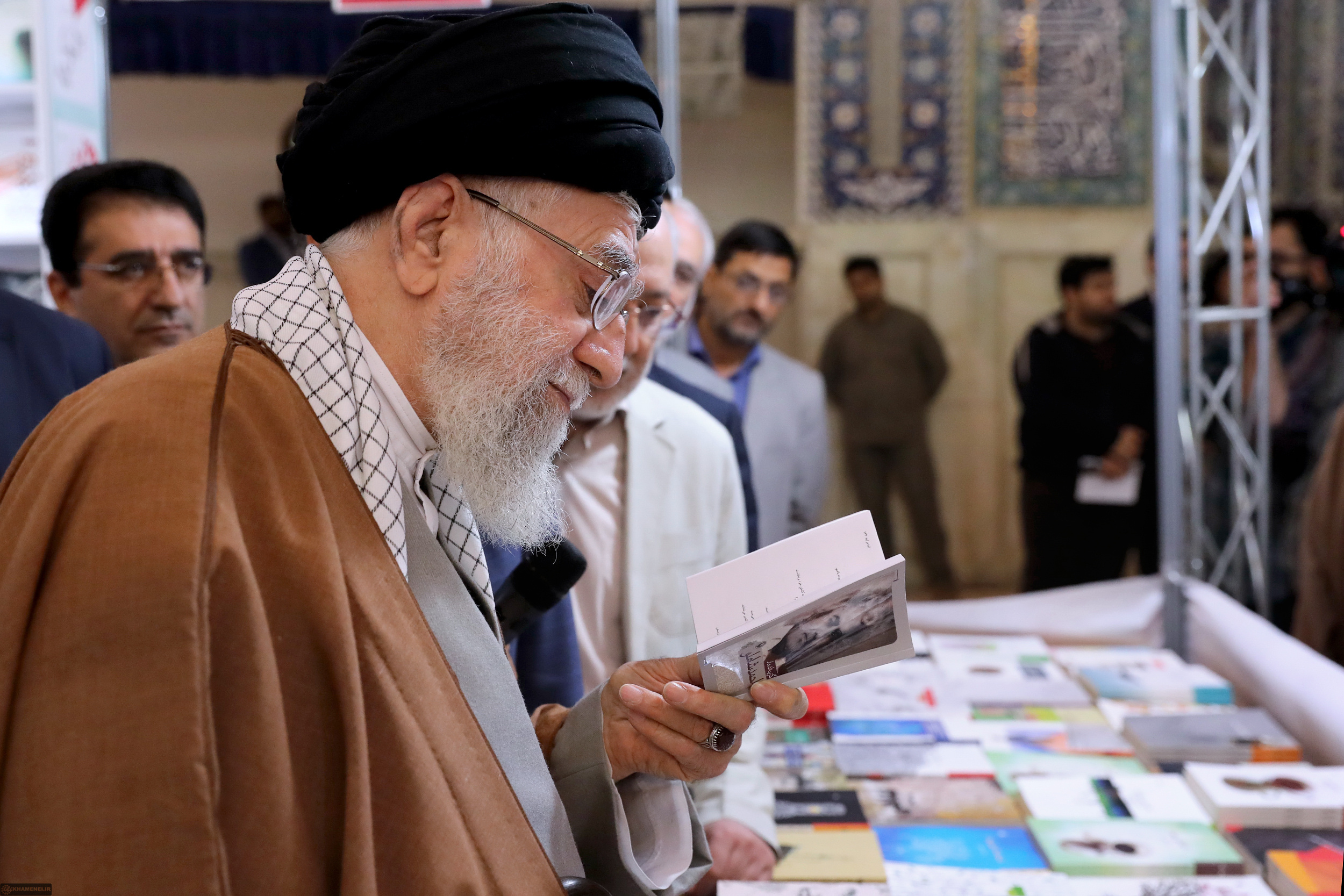
Iran is holding a state funeral and nationwide mourning for Supreme Leader Ayatollah Ali Khamenei after his death.
The event marks a pivotal transition for the Islamic Republic, as Khamenei led the country for more than three decades. His death leaves a vacancy in the highest office of the Iranian state, triggering a period of significant political uncertainty.
State media said that millions of people [1] have attended the funeral processions. These crowds have gathered primarily in Tehran and other major cities across the country to pay their respects to the former leader.
Reports on the presence of international guests vary. Some sources said that world leaders attended the funeral [2], a sign of the diplomatic reach of the late leader. However, other reports focused on the domestic crowds and did not confirm the attendance of specific foreign delegations [1].
The mourning period includes large-scale public gatherings and official ceremonies. The scale of the attendance reflects the state's effort to project unity and continuity during the transition of power. The funeral processions have moved through central urban corridors, with security forces managing the massive influx of mourners in the capital.
Khamenei's tenure was defined by his absolute authority over the military, judiciary, and legislature. His death initiates the process of selecting a successor, a move that will determine the future trajectory of Iran's domestic policies and its relationship with the global community.
“Iran is holding a state funeral and nationwide mourning for Supreme Leader Ayatollah Ali Khamenei.”
The death of Ayatollah Ali Khamenei creates a power vacuum in one of the most centralized political systems in the world. Because the Supreme Leader holds ultimate authority over all branches of government, the selection of a successor will either signal a continuation of current hardline policies or a shift in the Islamic Republic's strategic direction regarding regional conflicts and international sanctions.