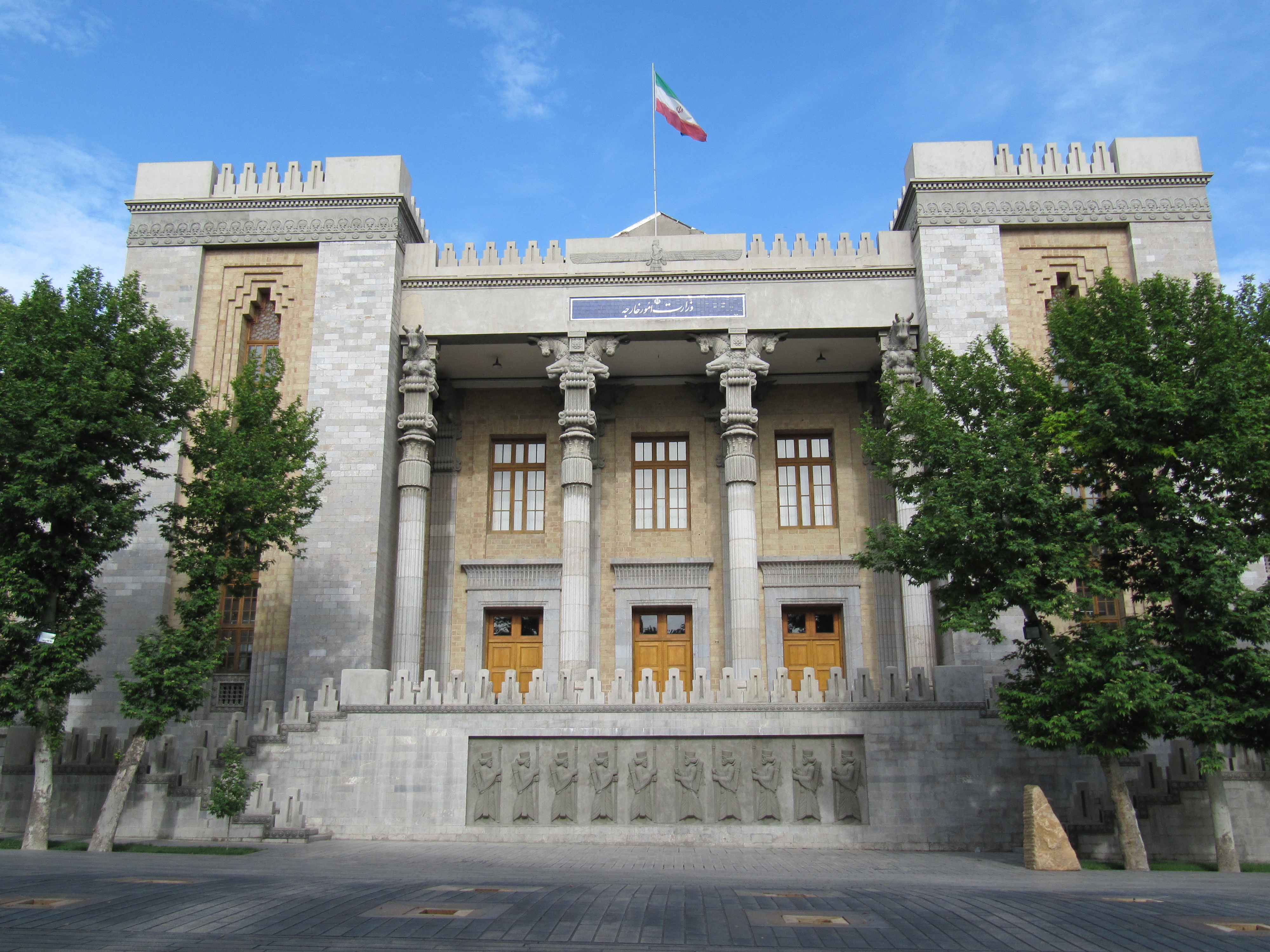
Iranian Foreign Minister Abbas Araghchi warned the U.S. that further strikes on regime infrastructure will trigger a powerful and decisive retaliation [1].
The threat signals an escalation in tensions as Tehran views the targeting of its domestic assets as an act of aggression. By explicitly mentioning bridges and power plants, Iran is defining the boundaries of what it considers a red line for military engagement [1].
In a statement posted on X by the Iranian Foreign Ministry, the government vowed an "eye for an eye" response to continued U.S. operations [1]. The rhetoric suggests that Tehran is prepared to mirror the types of strikes it has received, targeting similar critical infrastructure within the U.S. or its interests abroad [2].
Araghchi emphasized that the response would not be limited to the primary attacker. "Any aggression against Iran, including our infrastructure, will compel a powerful and decisive response," Araghchi said [2].
He further expanded the scope of potential targets to include those providing logistical or political assistance to the U.S. military. "Those who contribute to such aggression, whatever the kind of support, will also be considered as legitimate targets," Araghchi said [2].
This warning comes as the U.S. continues to target Iranian assets in an ongoing conflict. The Iranian government maintains that these strikes are an infringement on its sovereignty and a provocation that necessitates a proportional military answer [1].
The use of the phrase "eye for an eye" reflects a strategy of symmetric warfare, where the nature of the retaliation is designed to match the nature of the initial attack. This approach is intended to deter future U.S. strikes by promising a direct and equivalent cost to the aggressor [1].
“Any aggression against Iran, including our infrastructure, will compel a powerful and decisive response.”
This escalation indicates that Iran is shifting its deterrence strategy toward symmetric retaliation. By threatening not only the U.S. but also its supporters, Tehran is attempting to create a diplomatic and military cost for any nation providing intelligence or logistics for strikes on Iranian infrastructure. This increases the risk of a broader regional conflict if a miscalculation leads to a strike on a high-value target.


