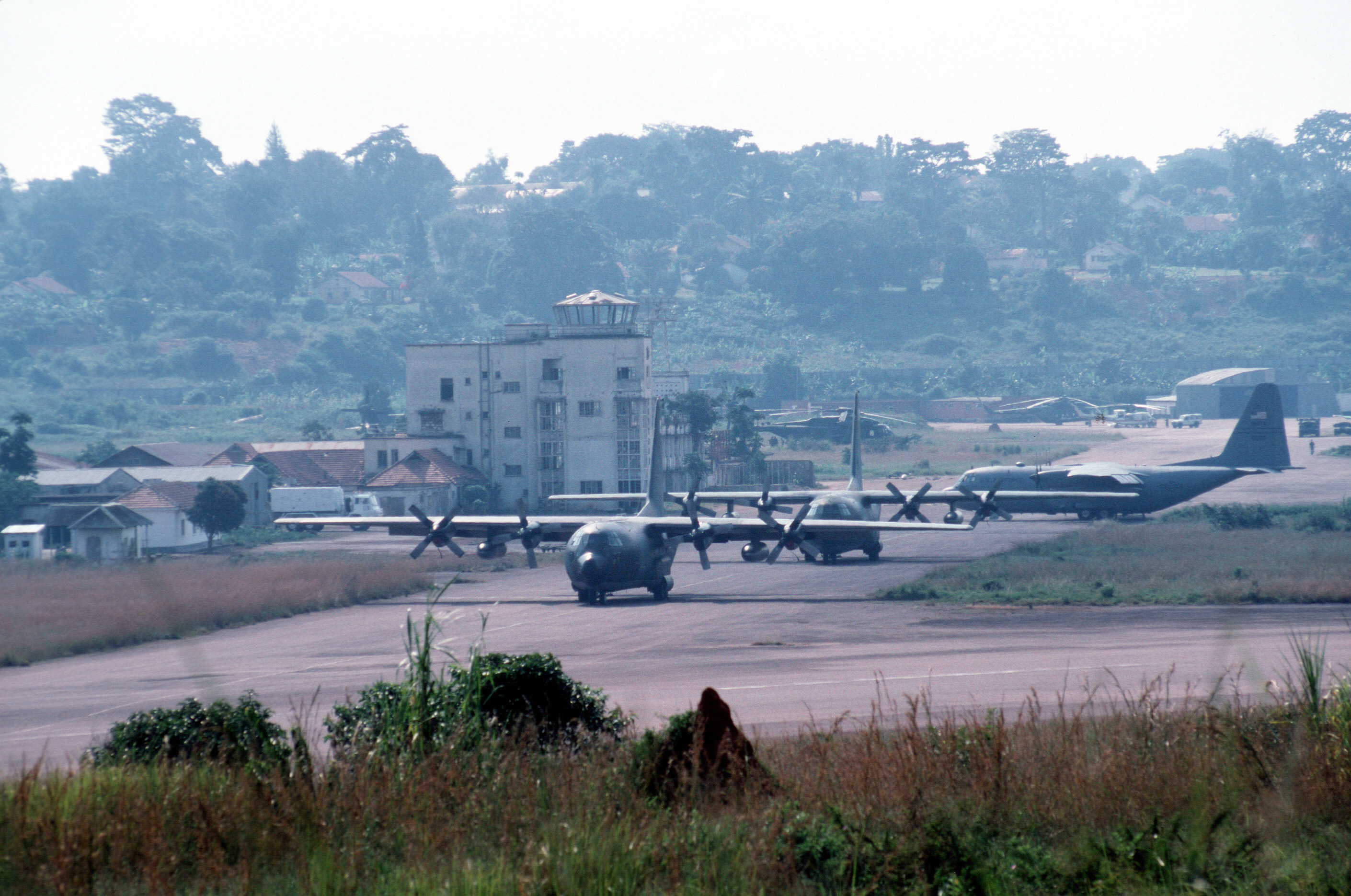
Israel commemorated the 50th anniversary of the rescue mission at Entebbe Airport on July 4, 2026 [1].
The event marks a half-century since one of the most daring military operations in Israeli history, though current celebrations are strained by internal divisions among those who served.
Operation Thunderbolt took place in 1976 [1] to rescue hostages held after a hijacked Air France flight was diverted to Uganda [2]. Israeli commandos flew into Entebbe Airport to secure the release of 102 hostages [2]. The raid is remembered for its precision and the loss of commander Yoni Netanyahu, the brother of Prime Minister Benjamin Netanyahu [1].
While the government sought to honor the fallen and the survivors, the ceremony was not without tension. Some veterans of the operation boycotted the events [2]. These participants said there are lingering divisions regarding the legacy of the operation and how the history is remembered today [2].
The 1976 mission remains a cornerstone of the Israel Defense Forces' identity, a symbol of long-range capability and resolve. The rescue of more than 100 hostages [3] in a foreign land established a precedent for future hostage recovery efforts globally.
Despite the celebratory nature of the 50-year milestone [1], the boycott highlights a rift between the official state narrative and the personal perspectives of some former commandos. The event focused heavily on the heroism of Yoni Netanyahu, whose death during the raid became a defining moment for the nation [1].
“Israel commemorated the 50th anniversary of the rescue mission at Entebbe Airport on July 4, 2026.”
The friction surrounding the 50th anniversary reflects a broader tension in Israel between the institutionalization of military legends and the nuanced, sometimes contradictory, memories of the soldiers involved. By centering the narrative on the martyrdom of Yoni Netanyahu, the state reinforces a specific national identity, while the veteran boycott suggests that the operational reality of 1976 remains a point of contention five decades later.


