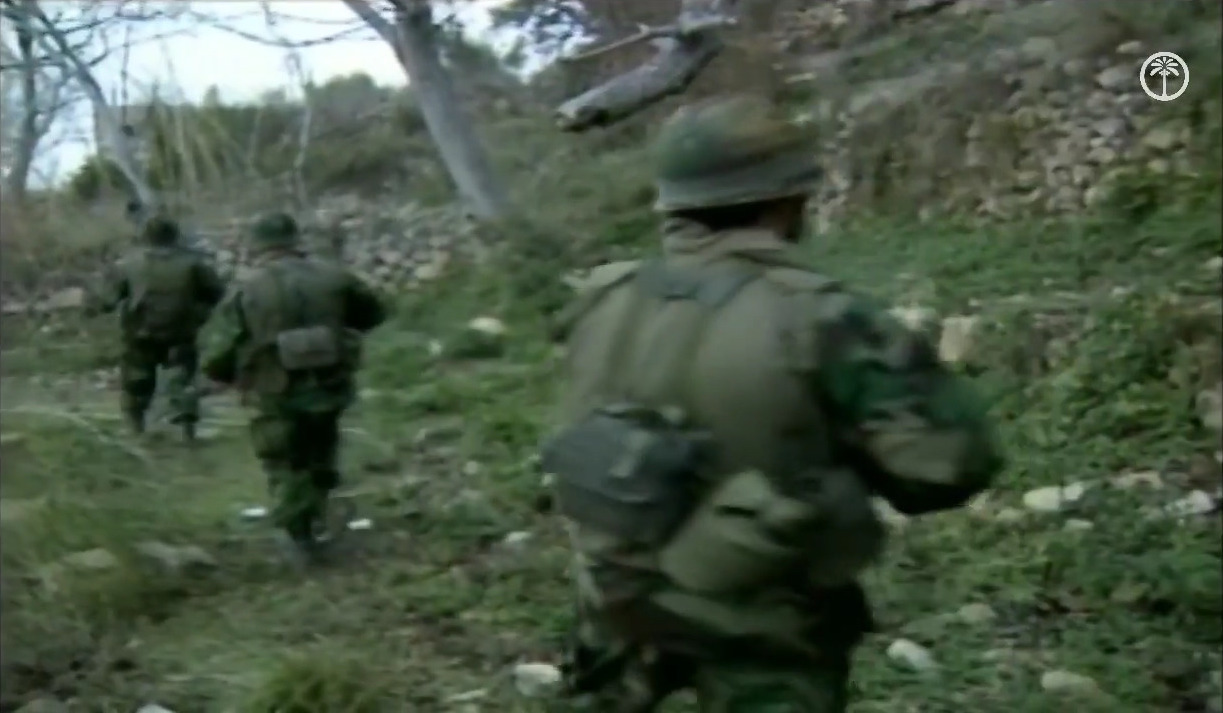
Israeli air strikes resumed in southern Lebanon on Monday after a brief lull in military activity [1, 2].
The resumption of strikes occurs as the U.S. and Iran engage in diplomatic negotiations in Switzerland, highlighting the volatility of the region as Hezbollah rejects ceasefire proposals [3, 4].
The pause in fighting lasted almost 24 hours [1], marking the first significant lull in hostilities since March 2 [1]. While some reports indicate that fighting had eased significantly but not halted completely, other accounts describe the period as a distinct pause before the return of aerial bombardments [2, 5].
Israeli forces issued evacuation warnings for nine villages [6] before the strikes began. The military actions target Hezbollah militants in southern Lebanon [1, 6].
Regional tensions remain high as Iran has threatened to close the Strait of Hormuz [3, 4]. This threat coincides with the ongoing diplomatic efforts to reach a peace deal, though the immediate reality on the ground remains characterized by escalating violence [4].
The timing of the renewed strikes suggests a disconnect between the high-level diplomatic talks in Switzerland and the tactical operations on the Lebanese border. The refusal of Hezbollah to accept a ceasefire has left the military path open for continued Israeli operations [3, 4].
“Israeli air strikes resumed in southern Lebanon on Monday after a brief lull in military activity.”
The brief cessation of hostilities underscores the fragile nature of current diplomacy. While the U.S. and Iran attempt to negotiate in Switzerland, the immediate resumption of strikes indicates that tactical military objectives and Hezbollah's rejection of ceasefire terms are currently outweighing the potential for a diplomatic breakthrough.


