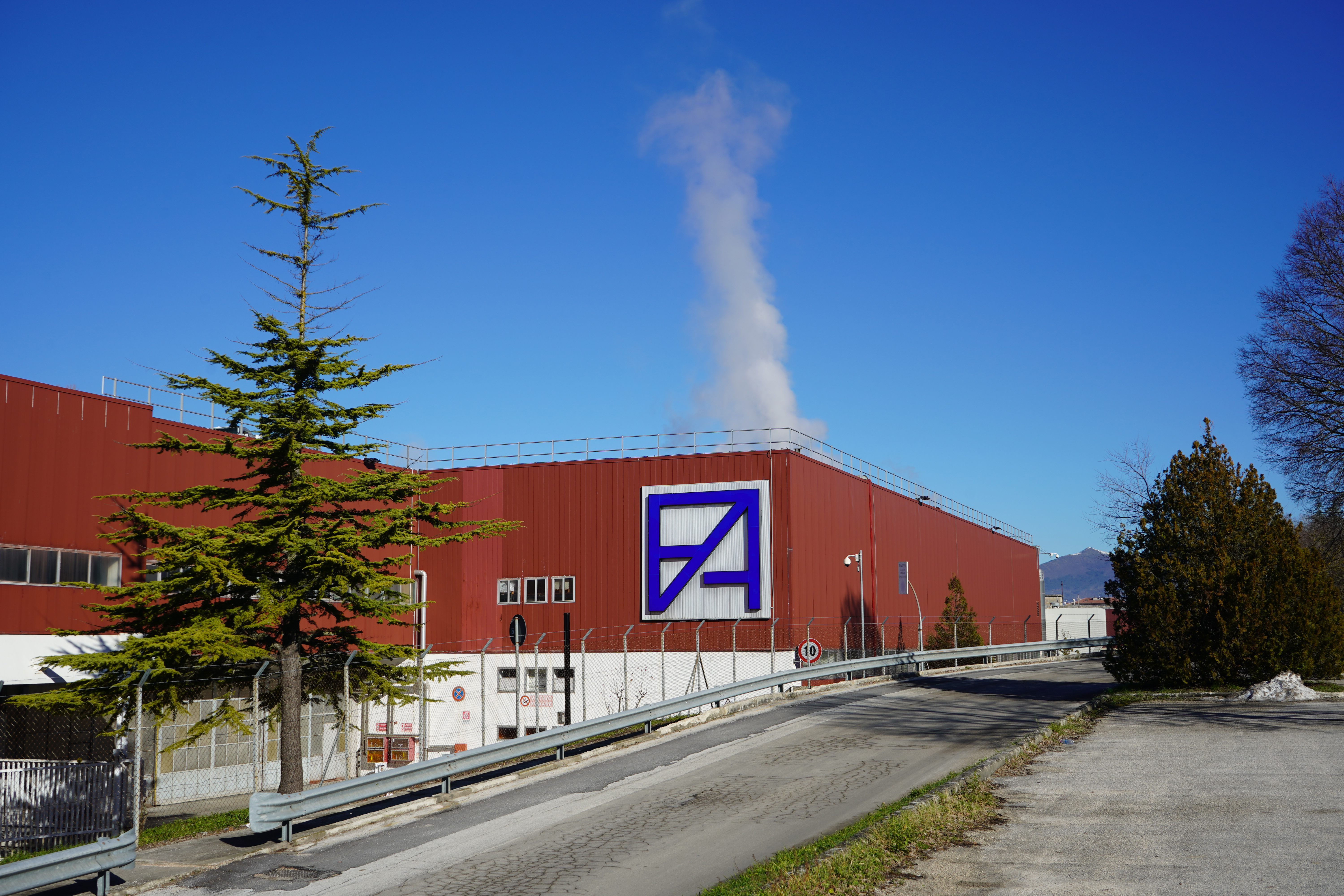
A historic paper mill in Italy is producing luxury paper using agricultural and textile waste instead of traditional tree-based cellulose [1].
This shift in production aims to reduce the environmental pressure on global forests by diversifying the raw materials used in high-end papermaking [1]. By repurposing waste that would otherwise be discarded, the mill is attempting to decouple luxury goods from deforestation [1].
The mill utilizes a variety of recycled inputs to create its products [1]. According to reports, these materials include agricultural by-products, and textile remnants [1, 2]. The process allows the facility to replace a portion of the cellulose traditionally sourced from timber [1].
Industry observers note that the transition to waste-based luxury paper could signal a broader shift in how high-end manufacturing handles sustainability [1]. The use of unconventional materials, such as coffee-related waste, highlights the potential for everyday consumption to contribute to eco-friendly industrial cycles [1].
"In Italy, a historic paper mill is turning agricultural and textile waste into raw materials to replace part of the cellulose traditionally sourced from trees," Euronews said [1].
The initiative focuses on maintaining the high quality associated with luxury paper while minimizing the ecological footprint of the extraction process [1, 2]. By integrating these waste streams, the mill reduces its reliance on virgin wood pulp, which is the primary driver of industrial logging in many regions [1].
"Did you know that something as simple as drinking a cup of coffee can help create eco-friendly paper?" Euronews said [1].
“A historic paper mill in Italy is producing luxury paper using agricultural and textile waste.”
The adoption of agricultural and textile waste in luxury papermaking represents a move toward a circular economy within the high-end manufacturing sector. By proving that waste materials can meet the rigorous quality standards of luxury goods, this mill provides a scalable model for other industries to reduce their dependence on virgin natural resources and mitigate deforestation.


