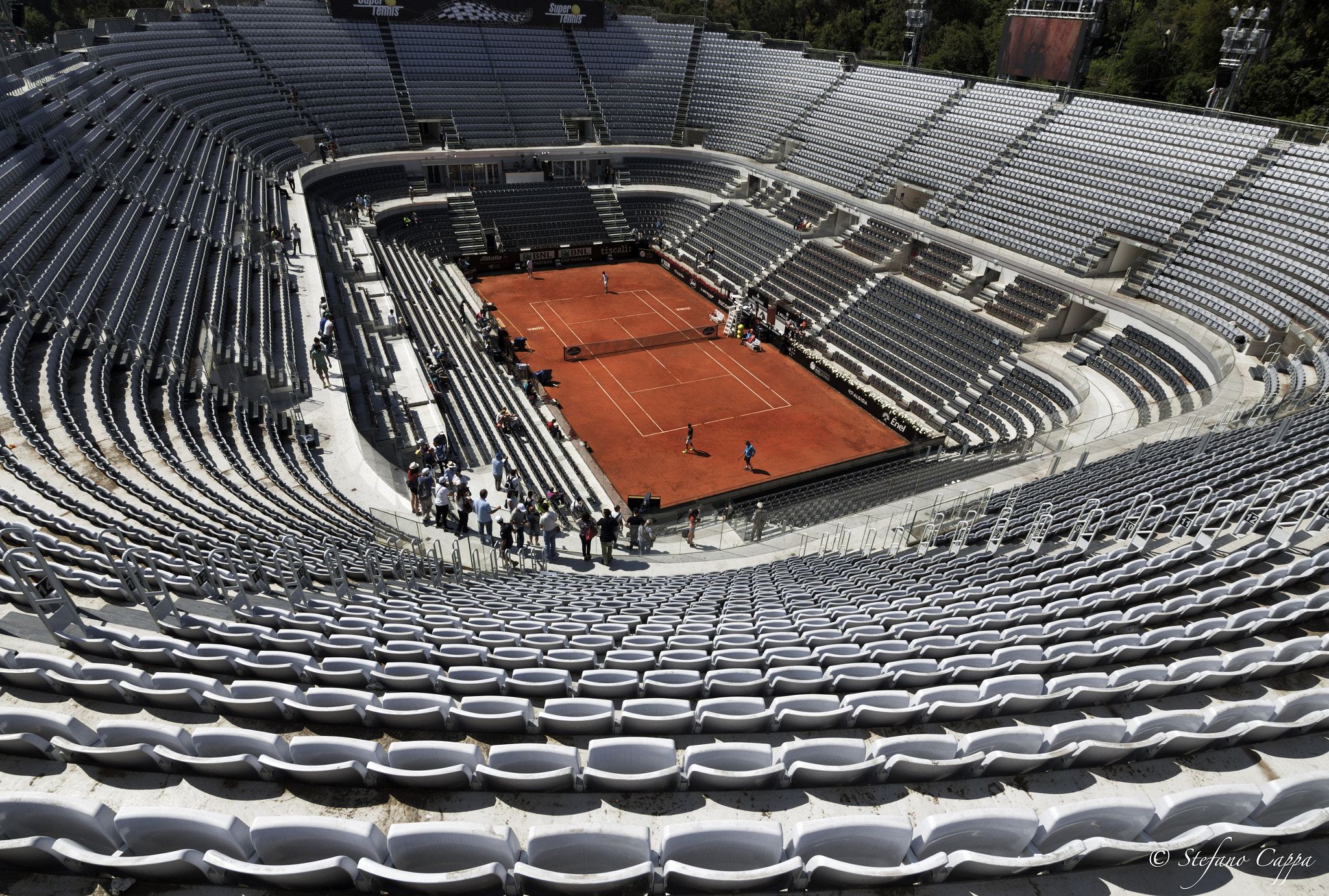
Jannik Sinner won the Rome Masters 1000 in Italy, becoming the first player to complete a Golden Masters at age 24 [2].
The victory establishes Sinner as a dominant force in men's tennis by equating his current run of form with the sport's most successful era. By securing this title on home soil, he has transitioned from a rising star to a record-breaking champion.
Sinner's win in Rome marks his sixth consecutive ATP Masters 1000 title [1]. This achievement places him in an elite group, as he matches the record previously set by Novak Djokovic for the most consecutive Masters 1000 trophies [3].
The 24-year-old Italian has now completed the Golden Masters, a feat that requires winning all nine unique Masters 1000 tournaments [2]. Achieving this milestone at his current age makes him the youngest player to ever reach this specific benchmark in the history of the tour.
In addition to the streak and the Golden Masters, Sinner's performance in Rome has further cemented his legacy in Italy. His victory equals the record held by Rafael Nadal for winning the Rome Masters multiple times [4].
Sinner's ascent has been characterized by a rapid accumulation of titles across different surfaces. The Rome victory serves as a capstone to a period of unprecedented consistency that few players in the open era have ever mirrored.
“Jannik Sinner won the Rome Masters 1000 in Italy, becoming the first player to complete a Golden Masters at age 24”
Sinner's achievement signals a definitive changing of the guard in professional tennis. By matching the consecutive title record of Novak Djokovic and the Rome success of Rafael Nadal, Sinner is no longer just competing against the 'Big Three' legacy but is actively rewriting the record books. Completing the Golden Masters at 24 suggests a level of versatility and mental fortitude that could define the next decade of the ATP Tour.