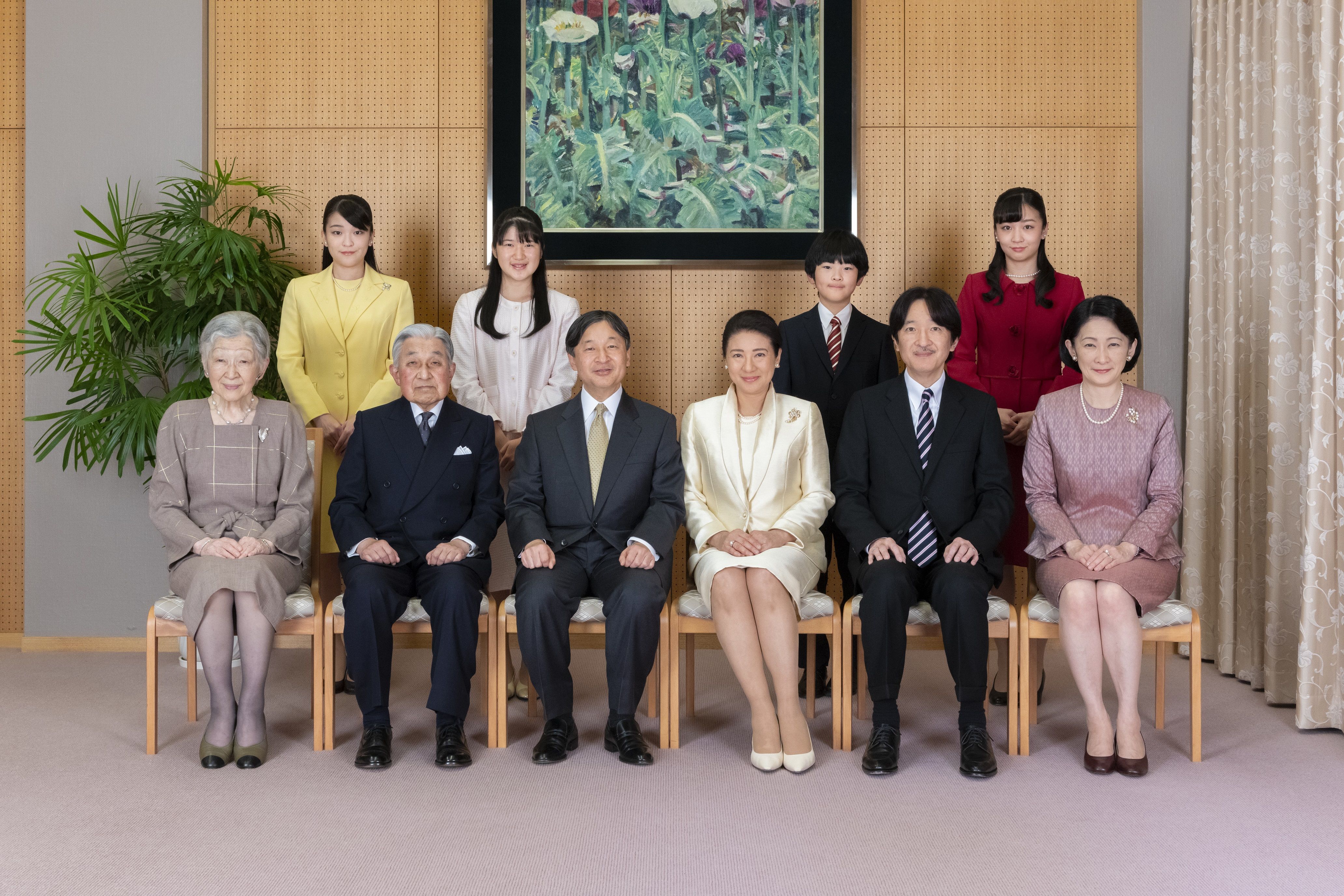
Japan's Lower House passed a bill on Friday to revise the Imperial Household Law, allowing princesses to remain members of the imperial family after marriage [1].
The legislation addresses a critical shortage of royal family members. By permitting princesses to retain their status, the government hopes to stabilize the dwindling number of people available to perform official duties [2].
Under the proposed changes, princesses would no longer be required to leave the imperial family upon marrying. However, the bill maintains a strict limit on succession. These women will not be eligible to inherit the throne [2].
The House of Representatives approved the measure following a one-day debate [1]. The rapid progression of the bill reflects the urgency felt by lawmakers to ensure the continuity of the imperial institution as the family size shrinks.
Opponents of the previous law argued that forcing princesses to exit the family upon marriage unnecessarily reduced the pool of royal representatives. The new framework allows them to continue their public roles while maintaining their ancestral ties, though the throne remains reserved for male heirs.
Legislators in Tokyo focused the discussion on the practical necessity of maintaining a functional royal house [1]. The bill now moves forward in the legislative process to address these systemic pressures [2].
“Princesses can remain members of the imperial family after marriage.”
This move represents a partial modernization of Japan's rigid imperial traditions. While the government is easing restrictions on royal status to prevent the family from collapsing, it is stopping short of granting female succession. By decoupling royal status from the right to inherit the throne, Japan is attempting to preserve the monarchy's visibility and functionality without overturning the patriarchal structure of the succession line.


