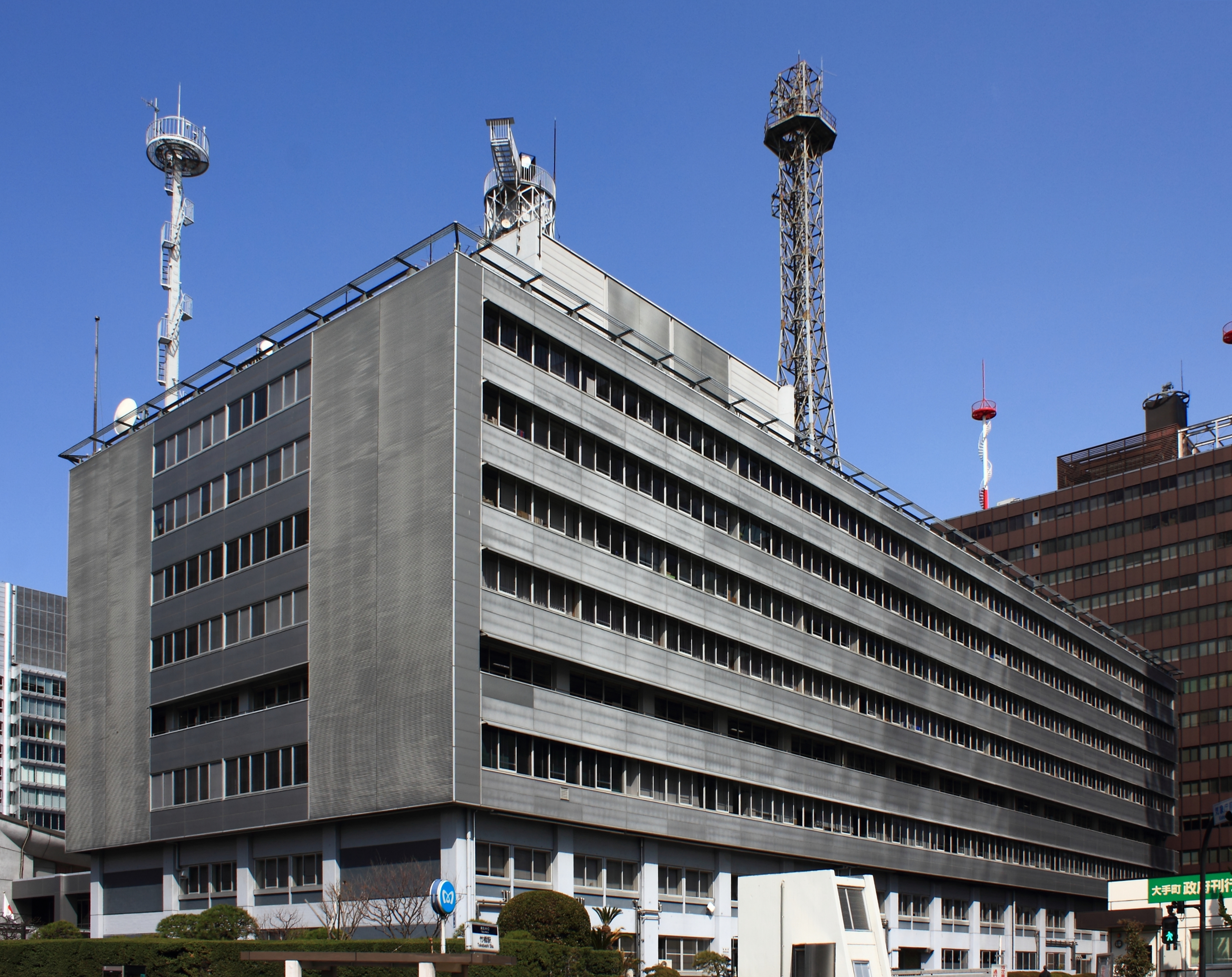
The Japan Meteorological Agency does not declare the end of the rainy season based solely on current high temperatures [1].
This distinction is critical for residents and businesses who rely on official weather milestones to plan for the peak of summer heat and humidity. Because the public often equates heat with the end of the rainy season, the agency's caution can lead to confusion when temperatures soar while the season officially continues.
Masayuki Keida, director of the JMA Abnormal Weather Information Center, said the decision is based on the outlook for the coming week and beyond [1]. He said the process involves collaborative work between weekly forecast officers and regional forecasters [1].
The agency utilizes a structured internal process to reach these determinations. Typically, four staff members are present at the weekly forecast booth [1]. When the broader weekly forecast meeting convenes, the group expands to approximately 10 members [1].
These meetings generally begin around 1 p.m. [1]. During these sessions, the team reviews atmospheric data and long-range trends to determine if the weather pattern has shifted permanently enough to justify an official announcement [1].
Keida said the agency examines the outlook for the next seven days and further into the future before making a determination [1]. This ensures that a brief window of heat does not trigger a premature declaration if more rain is expected later in the week.
“The decision is based on the forecast for the coming week and beyond, not solely on current temperature.”
The JMA's reliance on long-range stability rather than immediate temperature spikes highlights a scientific approach to seasonal transitions. By requiring a consensus among regional and weekly forecasters, the agency prioritizes meteorological accuracy over public expectations, preventing false starts that could mislead agricultural or industrial planning.


