
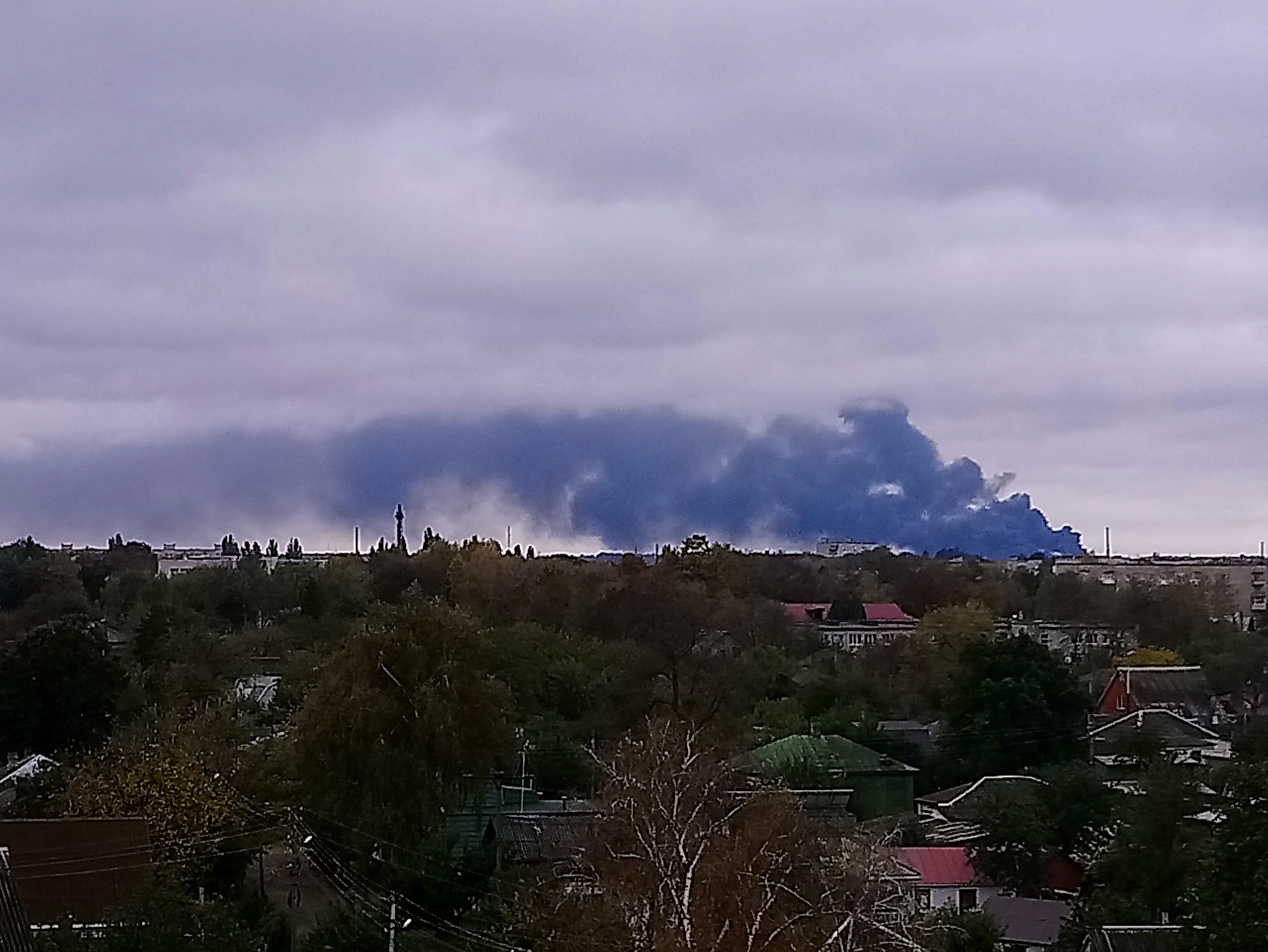
British Defence Minister John Gilly has resigned following an enemy strike on Konotop, Ukraine [1].
The resignation signals a potential shift in the United Kingdom's strategic approach to the conflict. As a key ally providing military support, the departure of a top defence official during an active escalation in Sumy Oblast suggests internal political pressure or a failure in intelligence coordination.
Reports from June 11, 2026, confirm that the strike targeted the city of Konotop [1]. Footage from the scene showed the 110th brigade [2] involved in evacuation efforts to rescue civilians and personnel from the affected areas. The scale of the strike and the subsequent political fallout in London occurred rapidly, coinciding with the 5 p.m. news broadcast on June 11 [1].
While the specific reasons for Gilly's departure were not detailed in the initial reports, the timing links the resignation directly to the events in Ukraine [1]. The 110th brigade continued operations to secure the perimeter, and manage casualties following the impact [2].
British officials have not yet named a successor to Gilly. The resignation comes at a time when the coordination between Western intelligence and Ukrainian ground forces is under intense scrutiny due to the frequency of strikes on urban centers [1].
“British Defence Minister John Gilly has resigned following an enemy strike on Konotop, Ukraine.”
The resignation of a high-ranking defence official in response to a specific strike in Ukraine suggests that the political cost of the conflict is intensifying within the UK government. This move may indicate a misalignment between military objectives and political expectations, or a reaction to the perceived failure of defensive intelligence to prevent the attack on Konotop.


