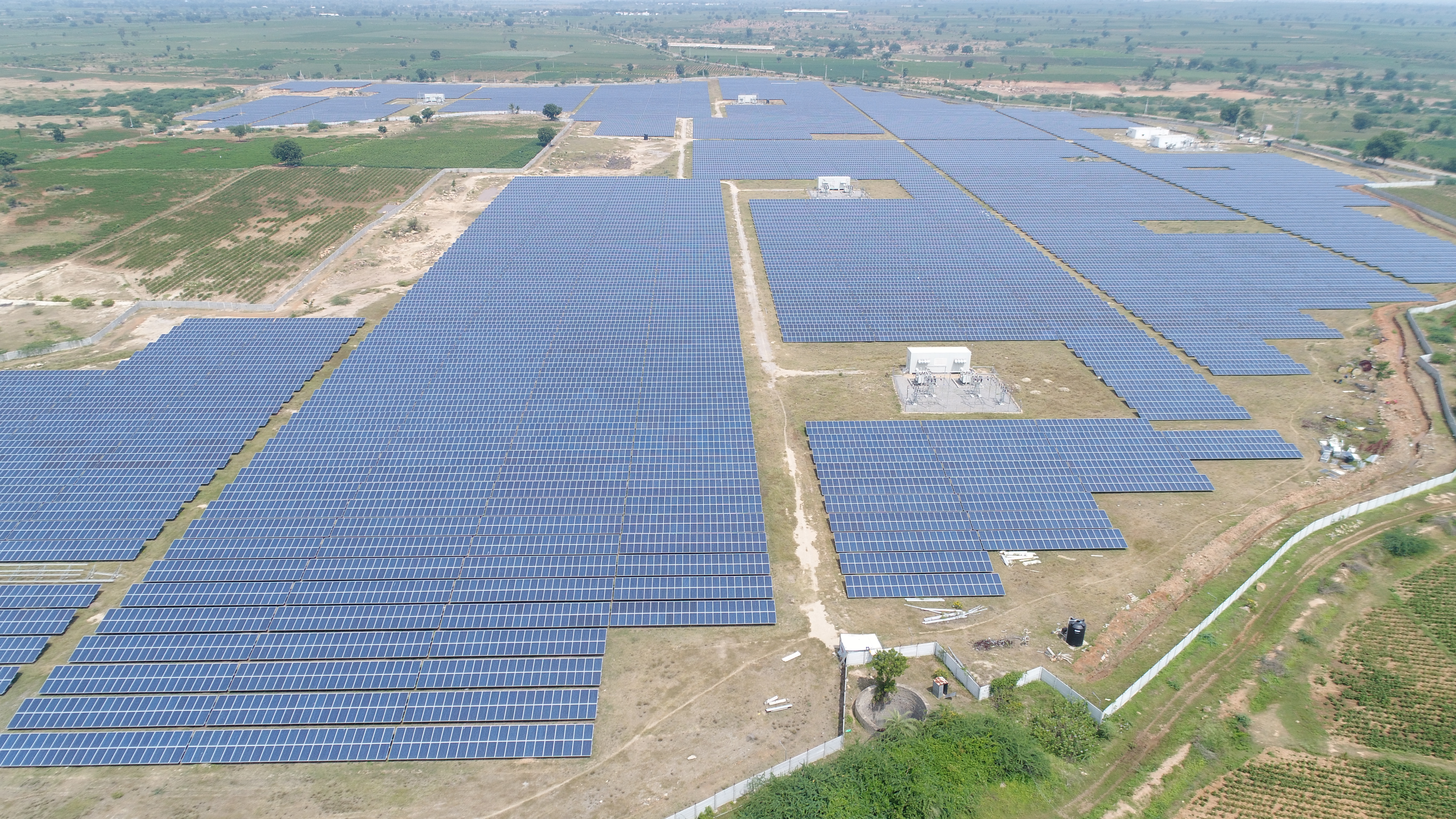
Hydel generation at the Jurala Hydro-Electric Station and Lower Jurala Hydro-Electric Project began Monday night following floodwater inflows from Karnataka [1].
The resumption of power generation marks a critical shift in the region's energy production and water management. Because these stations rely on specific reservoir levels to operate, the influx of water from upstream Karnataka was the necessary catalyst to trigger the turbines.
Officials said that the generation process started on Monday night, with some activity also recorded during the early hours of Sunday [1]. The timing of this year's start is delayed compared to previous cycles. The Hindu said that generation commenced almost two months late [1] compared to the previous year.
The Jurala reservoir serves as a primary hub for both electricity and irrigation in Telangana. The floodwaters traveling from Karnataka filled the reservoir to levels capable of supporting the hydroelectric infrastructure, allowing the state to tap into renewable energy sources during the current season [1].
This cycle of generation is dependent on the volume of water released or flowing from the upstream Karnataka region. Without these floods, the reservoir levels would remain insufficient for the hydroelectric projects to function at capacity [1].
“Hydel generation at Jurala and Lower Jurala has begun due to floodwater from the upstream Karnataka region.”
The delay in hydroelectric generation underscores the region's vulnerability to fluctuating precipitation patterns and upstream water management. While the current floodwaters allow for immediate power production, a two-month delay suggests a shift in the seasonal water cycle that could impact long-term energy planning and agricultural irrigation schedules in Telangana.