Keiko Fujimori was sworn in as president of Peru in Lima on Tuesday, July 28, 2026 [2].
The inauguration marks a return to power for the Fujimori political legacy in a country currently grappling with deep social division. Fujimori, a conservative leader and daughter of former President Alberto Fujimori, assumes leadership while significant portions of the population remain opposed to her platform.
Fujimori secured the presidency after winning the June runoff election by a narrow margin of fewer than 50,000 votes [1]. This slim victory has contributed to a volatile atmosphere in the capital, where street protests erupted as she took the oath of office.
Demonstrators in Lima gathered to demand accountability and justice for people killed during previous periods of anti-government unrest. The protests highlight a persistent tension between the new administration and those seeking redress for state-led violence.
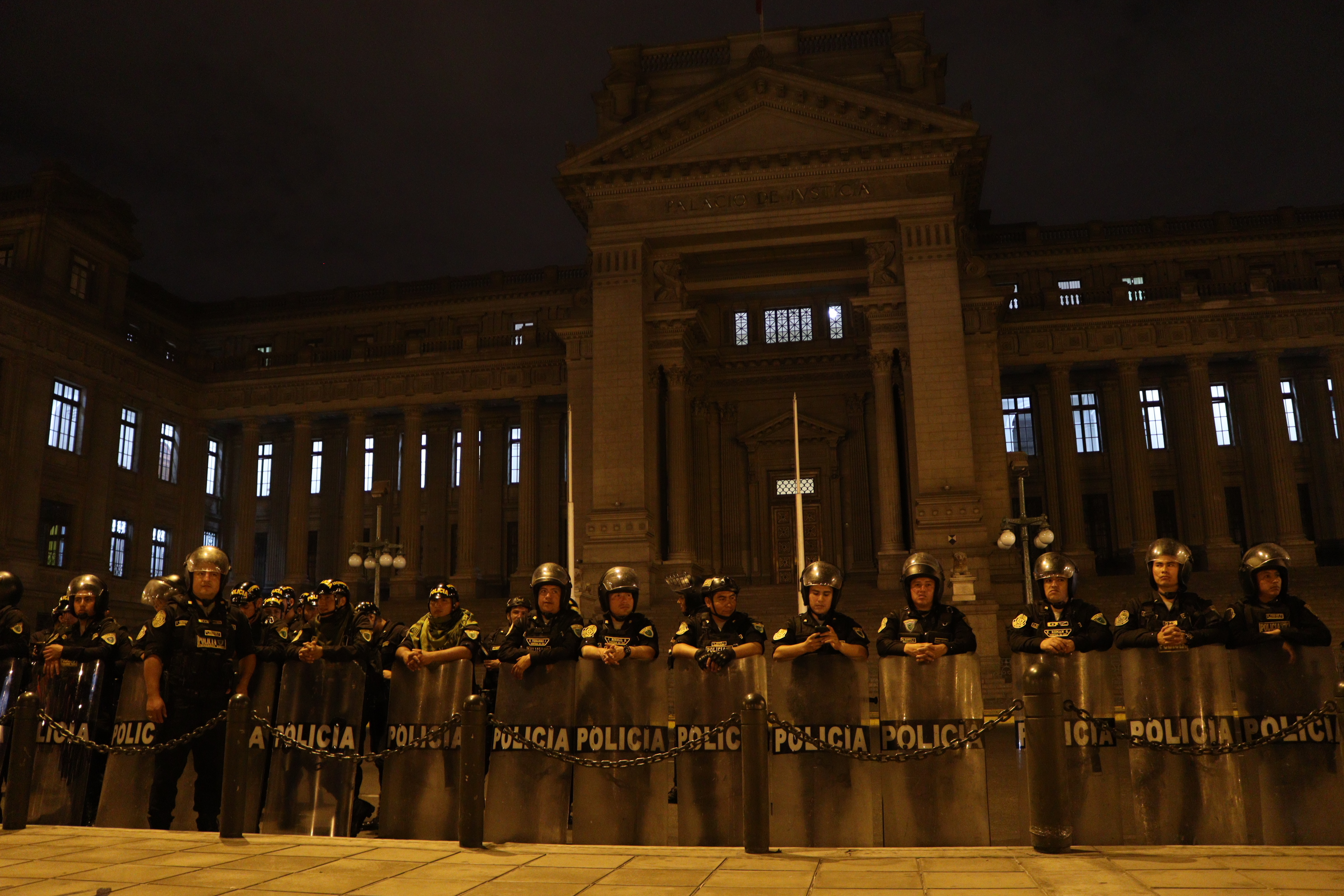
Security forces lined the inauguration venue to maintain order as the transition of power took place. The presence of police and military personnel underscored the fragility of the peace in the city during the ceremony.
Fujimori now faces the challenge of governing a fractured nation with a limited electoral mandate. Her primary objective will be stabilizing the government while addressing the demands of those protesting in the streets of Lima.
“Keiko Fujimori was sworn in as president of Peru in Lima on Tuesday, July 28, 2026”
The inauguration of Keiko Fujimori represents a high-stakes political gamble for Peru. With a victory margin of fewer than 50,000 votes, she lacks a broad mandate, making her administration vulnerable to the ongoing civil unrest. The immediate protests regarding past government killings suggest that the new presidency will be defined by a struggle between conservative policy and a public demanding human rights accountability.