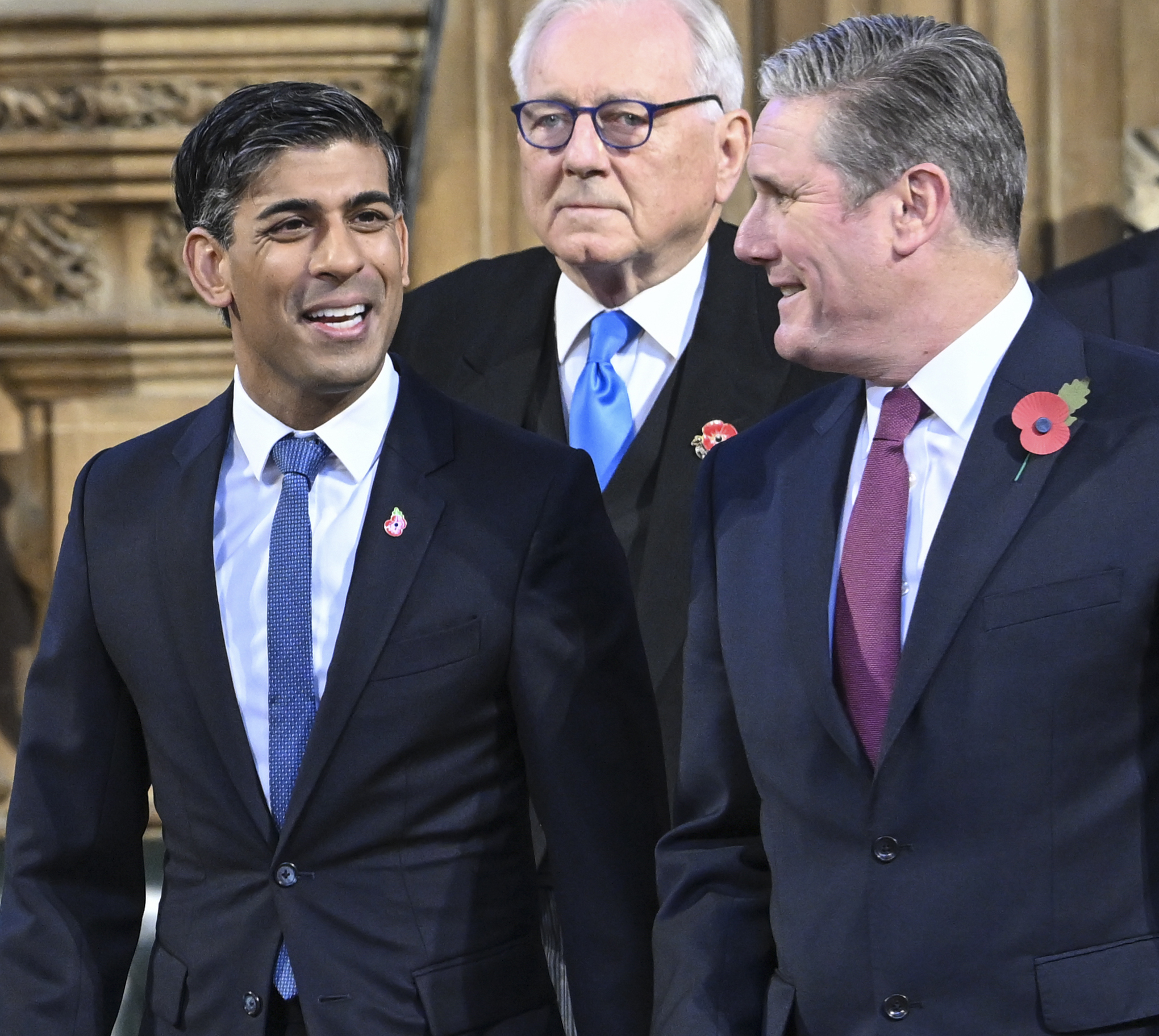
British Prime Minister Keir Starmer announced his resignation on Monday, June 22, 2026 [1].
The resignation marks a period of significant political instability for the United Kingdom. The departure of Starmer follows mounting pressure from within his own governing Labour Party [2].
Andy Burnham has emerged as a potential successor to the premiership. Reports indicate that Burnham could become prime minister within weeks [3]. The transition comes as the UK faces a recurring cycle of leadership changes at the highest level of government.
There are conflicting reports regarding the exact frequency of these leadership shifts. One report said the country will have its seventh leader in a decade [1]. Another report said the UK will have its sixth prime minister in seven years [2].
Starmer's exit leaves the Labour Party to determine its next move in a climate of internal friction. The process of selecting a new leader will likely focus on stabilizing the government's agenda, a task that falls to the party's internal mechanisms for leadership selection.
Burnham, who has previously served as the mayor of Greater Manchester, is viewed as a strong candidate to fill the vacancy. His potential ascent to the role of prime minister would represent a shift in the party's direction as it attempts to navigate the pressures that led to Starmer's resignation [1].
“Keir Starmer announced his resignation as British Prime Minister”
The resignation of Keir Starmer underscores a volatile era of British governance characterized by rapid leadership turnover. With the UK potentially seeing six or seven leaders in a short window, the stability of the prime minister's office is under scrutiny. The transition to Andy Burnham, if finalized, suggests a strategic pivot by the Labour Party to address internal dissent and regain political momentum.


