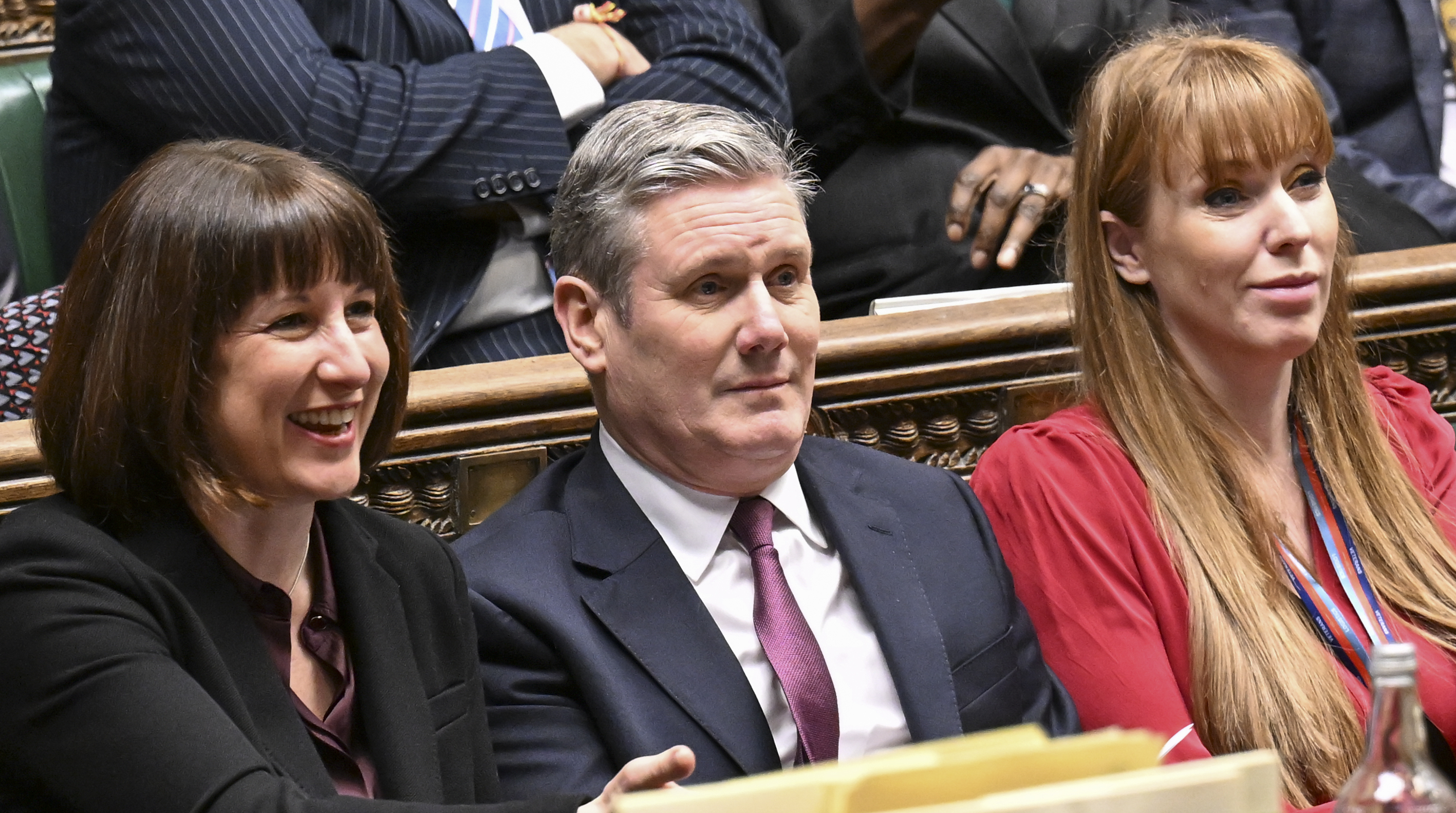
Prime Minister Keir Starmer (Labour) may set a timetable for his resignation on Monday [1], [2].
This potential transition signals a significant shift in the UK's political landscape. If Starmer steps down, it would reflect the impact of mounting internal pressure within the Labour Party [3].
The move would likely pave the way for Andy Burnham to assume the leadership of the Labour Party [1], [2]. Burnham, currently the Mayor of Manchester, is positioned as a primary rival to the current leadership.
A transition to Burnham would mark a period of continued volatility in British governance. If he takes the role, Burnham could become the seventh UK leader in a decade [1].
Reports indicate that the internal friction within the party has reached a point where a scheduled departure is being considered [3]. This development comes as the party evaluates its direction, and stability ahead of future challenges.
Starmer has not yet formally announced the specific date of his departure, but the expected announcement on Monday suggests a rapid shift in party authority [1], [2].
“Keir Starmer may set a timetable for his resignation”
A leadership change at the top of the Labour Party suggests a struggle between different ideological or strategic factions within the party. The possibility of a seventh leader in ten years highlights a broader trend of instability in UK executive leadership, which may affect the government's ability to maintain long-term policy consistency.