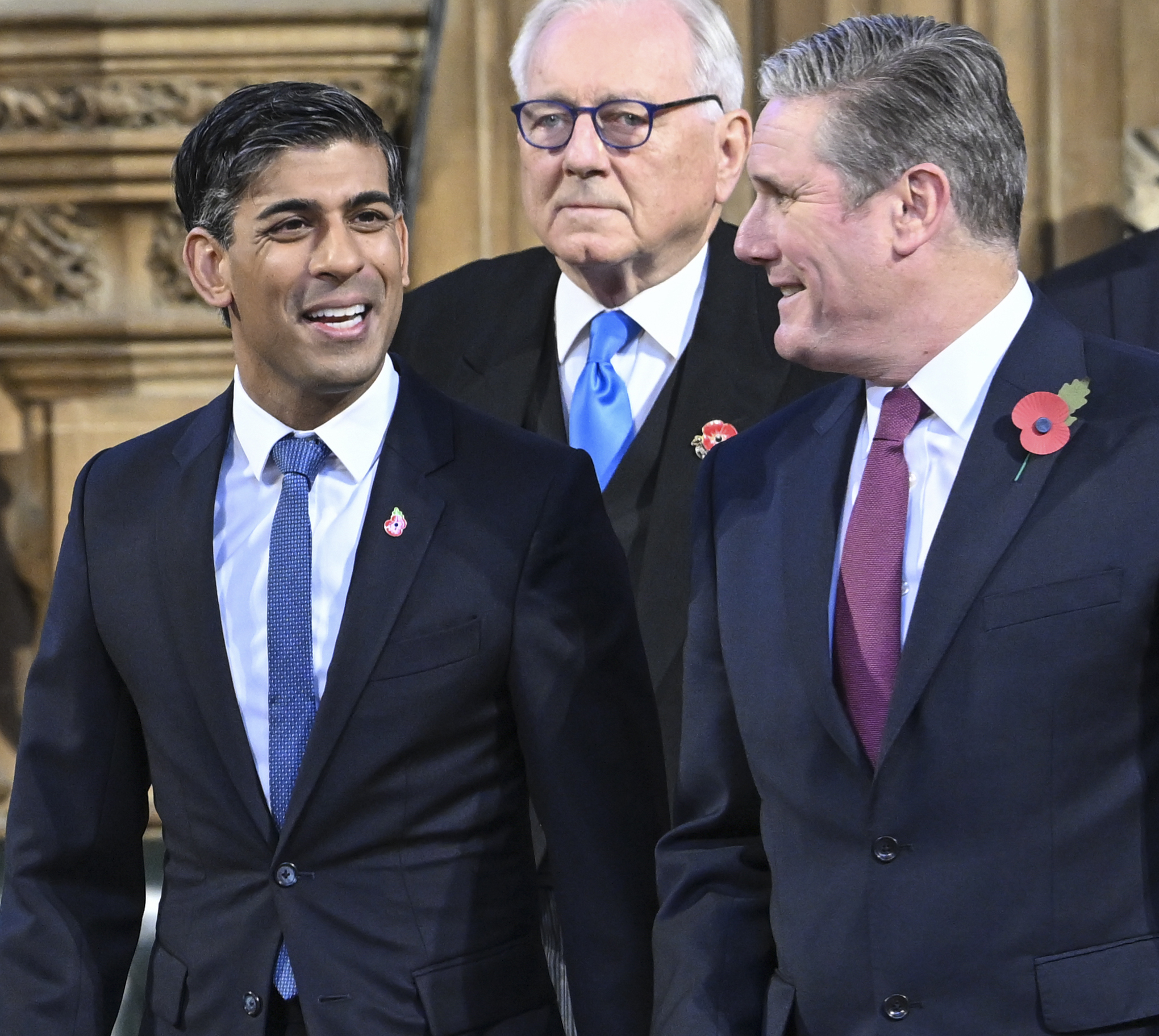
UK Prime Minister Keir Starmer announced his resignation on Monday, June 22, 2024 [2].
The departure creates a leadership vacuum at a critical fiscal juncture, leaving investors to weigh how a new Labour leader will handle the upcoming budget.
Financial markets reacted with caution following the announcement. The pound held its losses and UK gilts remained steady as traders assessed the potential for policy shifts under new leadership [1, 2]. The stability in the bond market suggests that investors are currently awaiting specific fiscal clarity rather than reacting with immediate panic.
Starmer's exit marks a period of significant political volatility for the United Kingdom. His resignation would make him the seventh prime minister in 10 years [2]. This rapid turnover in leadership has historically complicated long-term economic planning and international diplomatic consistency.
The move is intended to allow a successor to address pressing fiscal concerns and provide a clear direction for the government before the next budget is finalized [1, 2]. By stepping aside now, Starmer aims to ensure the next leader has the mandate to implement necessary economic adjustments.
A new Labour leader is expected to be in place by the time Parliament returns in September 2024 [2]. The transition process will likely focus on maintaining market confidence while navigating internal party dynamics to select a successor who can stabilize the UK's financial outlook.
Despite the announcement, some reports indicated Starmer emerged from a Cabinet meeting on Tuesday implying a more defiant stance, though the official resignation remains the primary development [2].
“Starmer's resignation would make Britain’s seventh prime minister in 10 years”
The resignation of Keir Starmer underscores a persistent trend of political instability in the UK, where frequent leadership changes risk undermining investor confidence. Because the markets remained steady, the immediate focus is not on the departure itself, but on whether the next Labour leader will deviate from current fiscal trajectories or introduce aggressive new spending that could rattle gilts and the pound.

'%2F%3E%0A%20%20%20%20%3Crect%20width%3D'1600'%20height%3D'900'%20fill%3D'url(%23v)'%2F%3E%0A%20%20%20%20%3Cg%20opacity%3D'0.08'%20fill%3D'%23ffffff'%3E%0A%20%20%20%20%20%20%3Ccircle%20cx%3D'1420'%20cy%3D'180'%20r%3D'220'%2F%3E%0A%20%20%20%20%20%20%3Ccircle%20cx%3D'1500'%20cy%3D'760'%20r%3D'120'%2F%3E%0A%20%20%20%20%3C%2Fg%3E%0A%20%20%20%20%3Cline%20x1%3D'80'%20y1%3D'172'%20x2%3D'220'%20y2%3D'172'%20stroke%3D'%23ffffff'%20stroke-width%3D'3'%20stroke-opacity%3D'0.6'%2F%3E%0A%20%20%20%20%3Ctext%20x%3D'80'%20y%3D'140'%20font-family%3D'Inter%2C%20-apple-system%2C%20Helvetica%2C%20sans-serif'%20font-weight%3D'700'%20font-size%3D'28'%20fill%3D'%23ffffff'%20letter-spacing%3D'6'%3EHANNA%20%C2%B7%20NEWS%3C%2Ftext%3E%0A%20%20%20%20%3Ctext%20x%3D'80'%20y%3D'230'%20font-family%3D'Inter%2C%20-apple-system%2C%20Helvetica%2C%20sans-serif'%20font-weight%3D'600'%20font-size%3D'40'%20fill%3D'%23ffffffb3'%20letter-spacing%3D'4'%3EWORLD%3C%2Ftext%3E%0A%20%20%20%20%3Ctext%20x%3D'80'%20y%3D'622'%20font-family%3D'Playfair%20Display%2C%20Georgia%2C%20serif'%20font-weight%3D'800'%20font-size%3D'86'%20fill%3D'%23ffffff'%20letter-spacing%3D'-1'%3EBrazil%26apos%3Bs%20Anvisa%3C%2Ftext%3E%3Ctext%20x%3D'80'%20y%3D'721'%20font-family%3D'Playfair%20Display%2C%20Georgia%2C%20serif'%20font-weight%3D'800'%20font-size%3D'86'%20fill%3D'%23ffffff'%20letter-spacing%3D'-1'%3EPartially%20Lifts%20Ban%20on%20Yp%C3%AA%3C%2Ftext%3E%3Ctext%20x%3D'80'%20y%3D'820'%20font-family%3D'Playfair%20Display%2C%20Georgia%2C%20serif'%20font-weight%3D'800'%20font-size%3D'86'%20fill%3D'%23ffffff'%20letter-spacing%3D'-1'%3ECleaning%20Products%3C%2Ftext%3E%0A%20%20%20%20%3Ctext%20x%3D'80'%20y%3D'870'%20font-family%3D'Inter%2C%20-apple-system%2C%20Helvetica%2C%20sans-serif'%20font-weight%3D'500'%20font-size%3D'22'%20fill%3D'%23ffffff66'%20letter-spacing%3D'2'%3Enews.hanna-ai.com%3C%2Ftext%3E%0A%20%20%3C%2Fsvg%3E)
