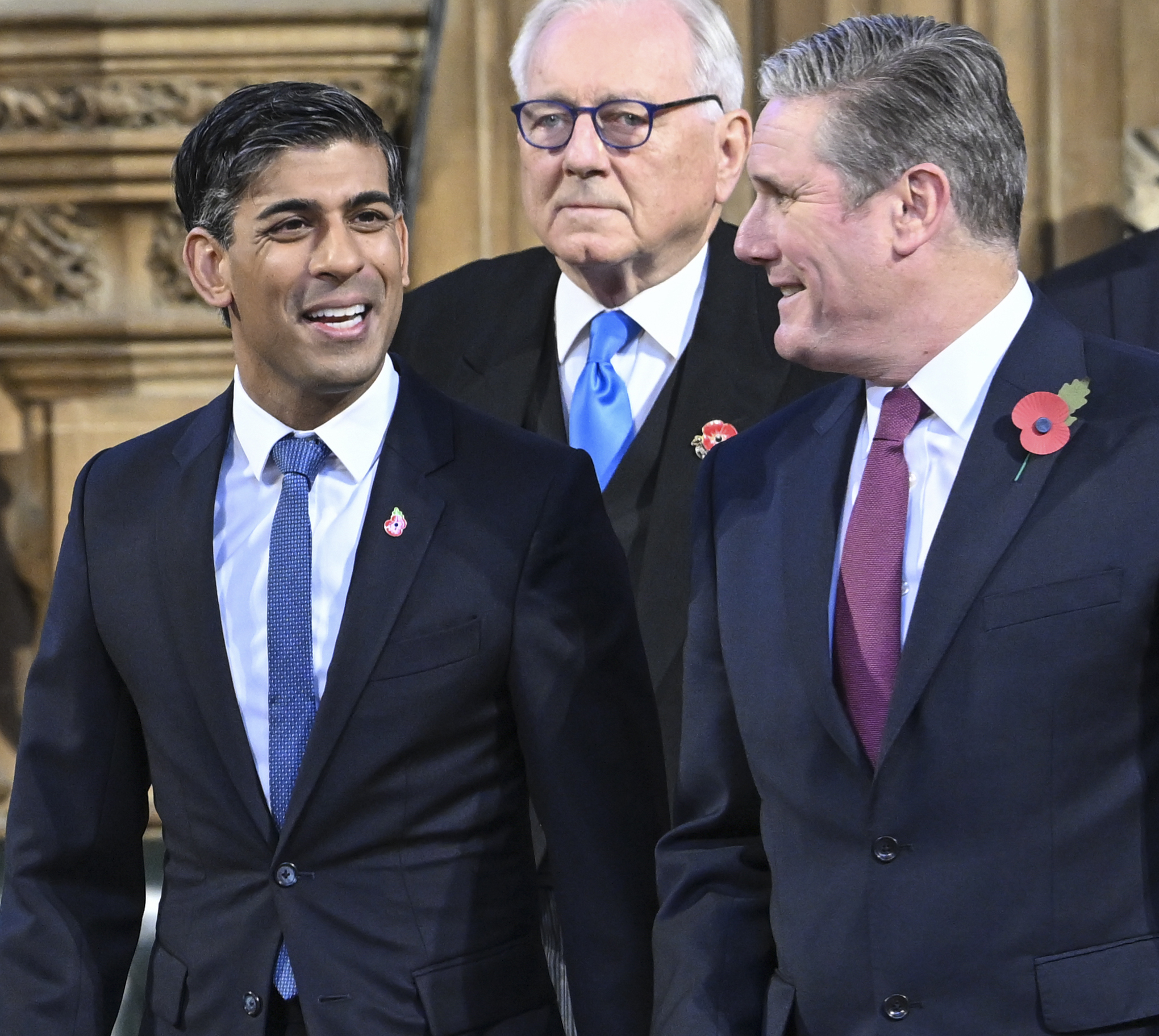
UK Prime Minister Keir Starmer announced his resignation as prime minister and leader of the Labour Party on Monday morning [1].
The departure marks a significant destabilization of the British government less than two years after the Labour Party's historic election victory [3]. The resignation follows a period of intense political volatility and internal strife within the governing party.
Starmer's decision comes as a result of mounting pressure from Labour MPs and declining approval ratings [1]. The move follows weeks after a brutal round of local elections that raised serious concerns over the party's future electoral prospects [2].
This leadership change underscores a continuing trend of instability in British governance. Starmer is the sixth UK prime minister to leave office in the past 10 years [4].
While Starmer did not provide a specific date for the transition of power, the announcement was made in London and Westminster [1]. The Labour Party must now navigate a leadership contest to determine who will succeed him as both party leader and prime minister.
“Keir Starmer is the sixth UK prime minister to leave office in the past 10 years.”
The resignation of Keir Starmer reflects a deepening crisis of stability within the UK's executive branch. By becoming the sixth prime minister to depart in a decade, Starmer's exit highlights the difficulty of maintaining a mandate in a volatile political climate where local election losses can rapidly erode internal party confidence and public trust.

