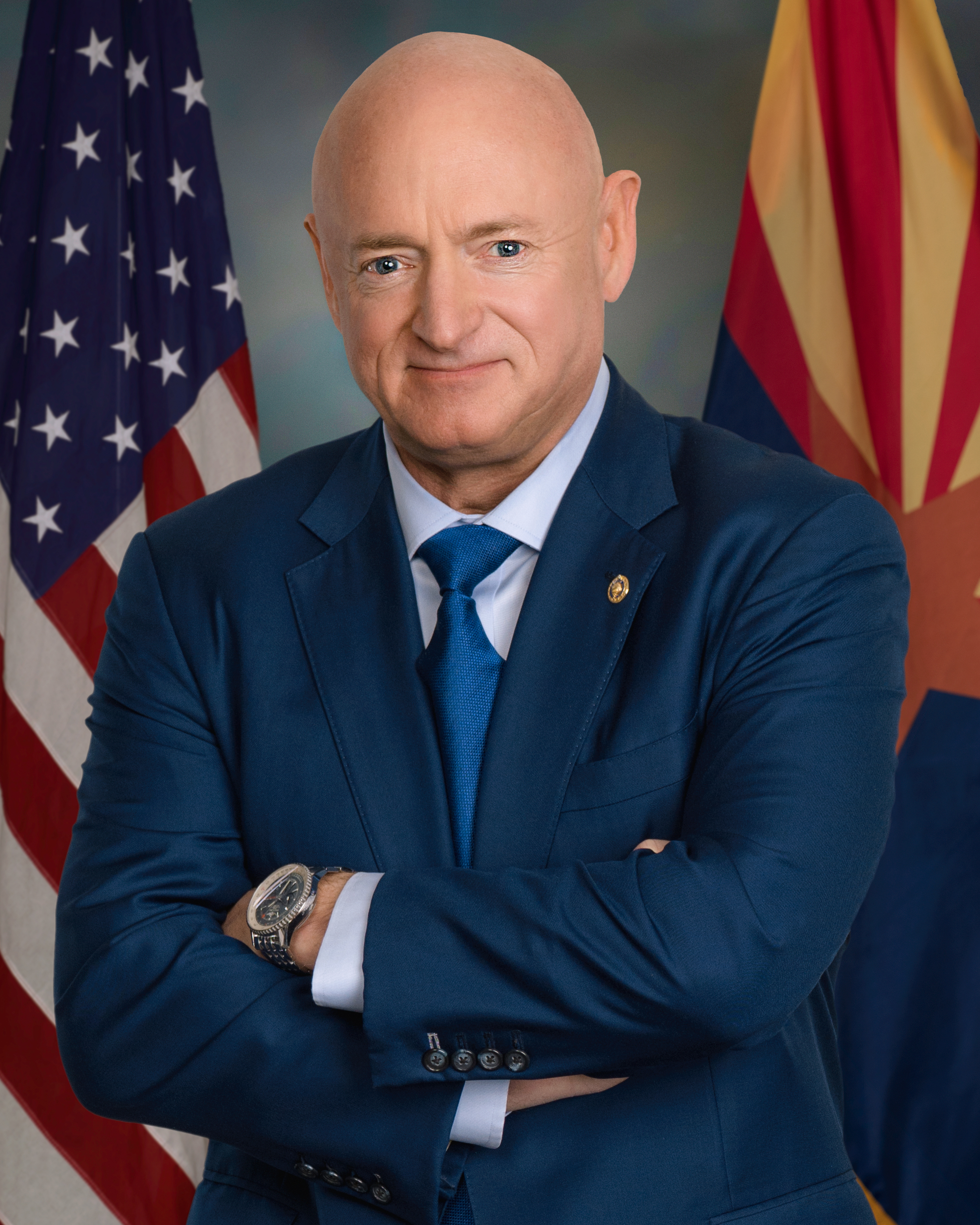
Sen. Mark Kelly (D-AZ) condemned President Trump's tentative nuclear agreement with Iran, labeling the deal a "nonstarter" [1].
The criticism from a retired U.S. Navy captain highlights growing legislative friction over the administration's approach to Middle East diplomacy and national security.
Kelly said the agreement represents a "total capitulation" [1]. He argued that the terms of the tentative deal amount to a surrender to Iran, which he said would undermine American security interests [1].
The senator's remarks come as the country approaches America’s 250th anniversary [1]. This milestone serves as a backdrop for the debate over the long-term strategic posture of the U.S. in the region.
Kelly did not provide specific details on which clauses of the agreement he finds most objectionable, but he said the framework is unacceptable [1]. He said the deal fails to protect the interests of the United States, and its allies.
Opponents of the deal often argue that tentative agreements with Tehran lack sufficient verification mechanisms to prevent the development of nuclear weapons. Kelly's position aligns with those who believe that any agreement must include stringent enforcement to be viable [1].
The administration has not issued a formal response to Kelly's specific comments regarding the capitulation claim. However, the tension reflects a broader divide in Washington over whether to engage in direct diplomacy or maintain a policy of maximum pressure.
““Total capitulation””
The clash between Sen. Kelly and the administration underscores a persistent ideological divide regarding Iran's nuclear ambitions. By framing the deal as a 'capitulation,' Kelly is signaling that a segment of the legislative branch views the current diplomatic trajectory as a risk to national sovereignty and global stability, potentially complicating the ratification or implementation of the agreement.