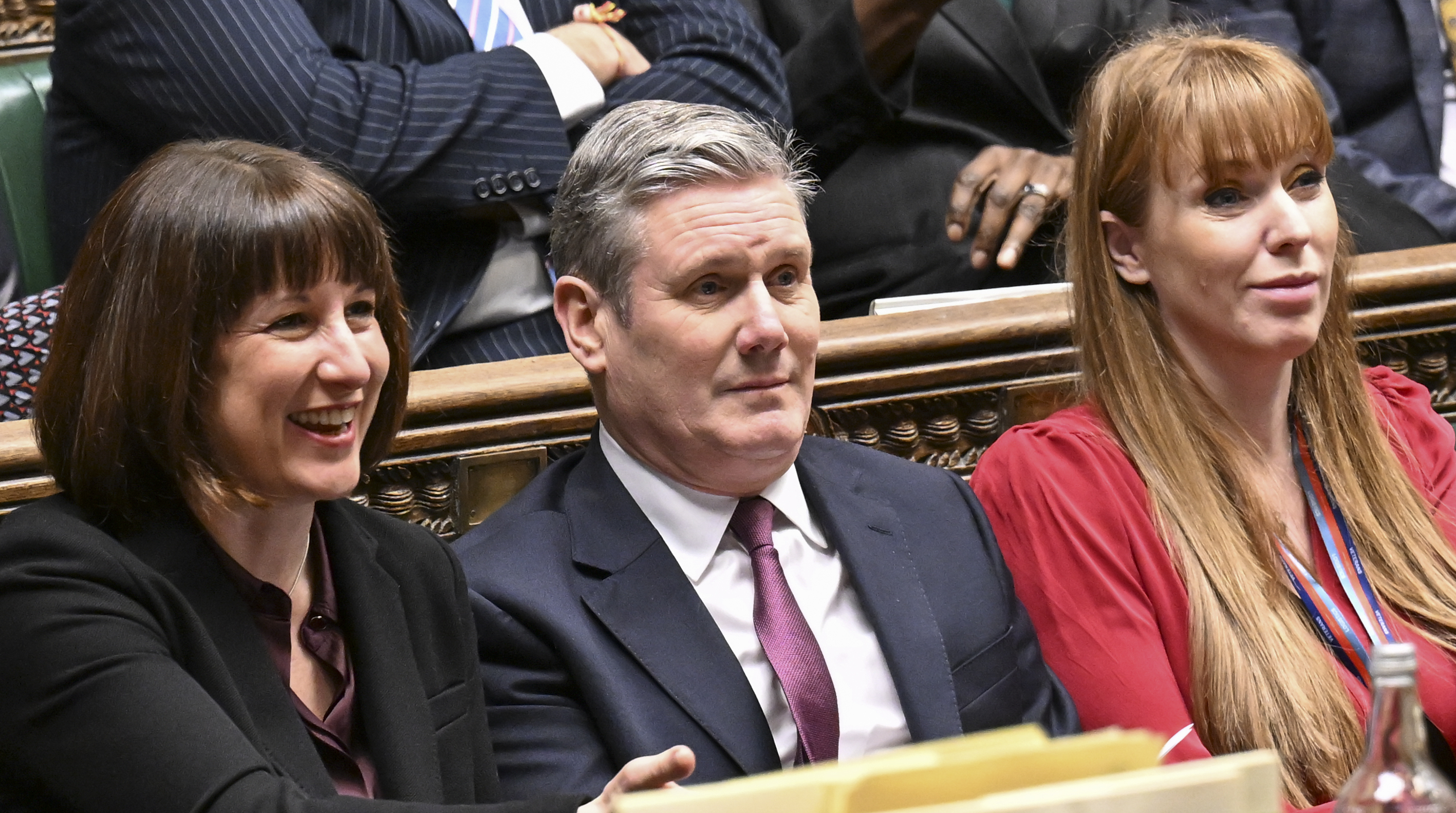
Women members and supporters of the UK Labour Party are calling for the election of a female leader for the first time.
This push for representation comes as other major political parties in the United Kingdom have already elected women to lead their organizations. The lack of a female head of the party is being framed as a significant gap in the party's internal dynamics and candidate pipeline.
Depending on the source, the Labour Party has operated for between 120 [1] and 126 [2] years without ever electing a woman to the top position. This timeline dates back to the party's founding around 1900.
Lisa Nandy, a Labour MP, said a woman leader of the party is "long overdue" [3]. Her comments reflect a growing sentiment among the party's female base that the glass ceiling at the executive level remains intact despite the party's progressive platform.
Analysts suggest that a combination of internal party dynamics and a historical lack of female candidates has prevented the shift. While women have held significant roles within the party, the leadership role has remained exclusively male for over a century [4].
Recent political discourse has also highlighted the tension surrounding leadership transitions. While some reports suggest figures like Andy Burnham are preparing for leadership roles, others have noted the irony of the party's struggle with gender representation [5].
The call for a female leader is not merely about symbolic representation. Supporters argue that a woman at the helm would change the party's approach to policy, and governance, potentially mirroring the shifts seen in other UK parties that have broken this barrier [4].
“A woman leader of the Labour Party is "long overdue".”
The ongoing absence of a female leader in the Labour Party creates a contrast between the party's public commitment to equality and its internal leadership history. As other major UK parties have successfully transitioned to female leadership, Labour faces increasing pressure to modernize its internal promotion structures to avoid appearing out of step with the broader political landscape of the United Kingdom.


