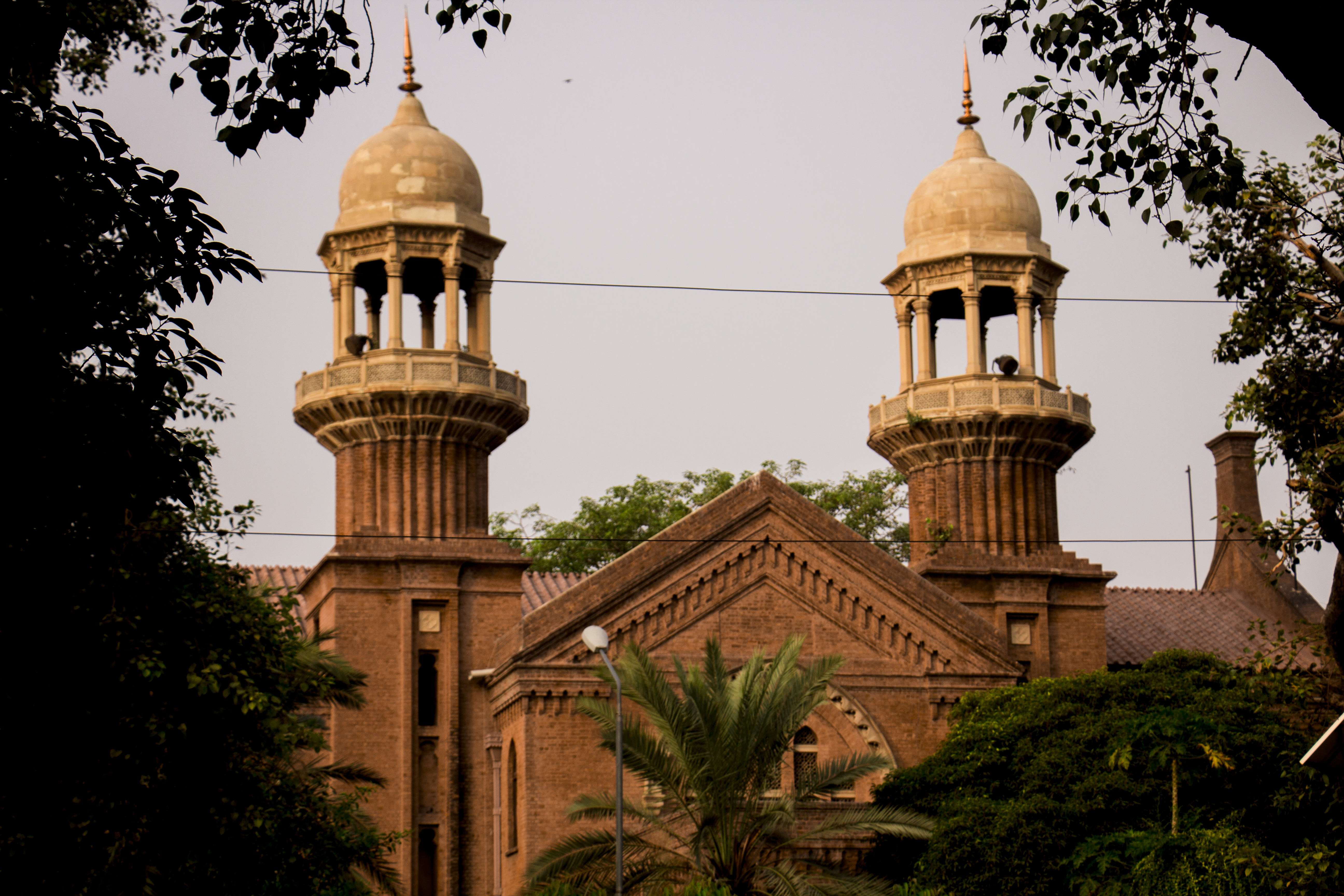
The Lahore High Court upheld a government decision to withdraw free electricity units previously granted to Grade-17 officers of the Water and Power Development Authority [1].
This ruling marks a significant shift in how the Pakistani government manages utility perks for senior officials. By removing these subsidies, the state aims to reduce public expenditure and establish a more equitable billing system for electricity across different tiers of government employment [1].
The legal challenge centered on whether the government possessed the authority to unilaterally terminate a long-standing benefit for these senior officers. The court said the decision to end the perk was consistent with broader fiscal goals and administrative rights [1].
The government of Pakistan initiated the withdrawal of the benefit as part of a wider strategy to implement cost-saving measures. This move targets the reduction of overhead costs within state-owned enterprises, specifically those managing power and water infrastructure [1].
Grade-17 officers, who occupy senior administrative and technical roles within WAPDA, had previously benefited from a set number of free units. The court's decision ensures that these officials will now be subject to the same billing standards as other consumers [1].
This decision follows a trend of austerity measures aimed at stabilizing the national economy. By eliminating selective perks, the government seeks to demonstrate a commitment to fairness in the distribution of utility costs among public servants [1].
“The Lahore High Court upheld a government decision to withdraw free electricity units”
This ruling reinforces the executive branch's authority to rescind employee benefits in the interest of national fiscal stability. By removing perks for senior WAPDA officials, the government is signaling a transition toward a more standardized utility payment model, likely intended to reduce the financial burden on the state and mitigate public criticism regarding preferential treatment for high-ranking bureaucrats.


