

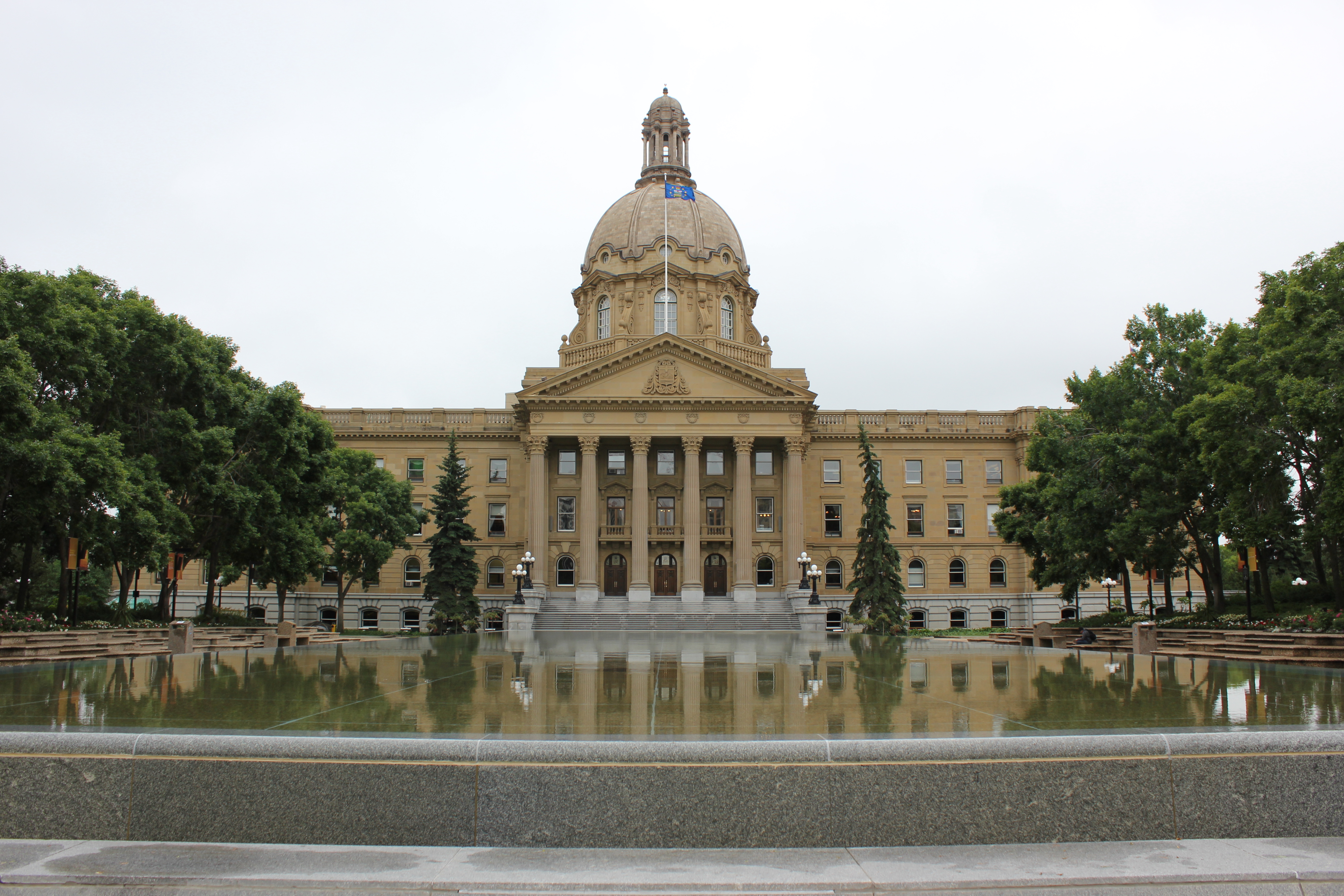
Louise Arbour was installed as Canada's 31st Governor General in a ceremony held at the Senate of Canada Building in Ottawa [1].
The appointment places a former Supreme Court Justice and experienced international prosecutor in the role of the monarch's representative. This transition ensures the continuity of Canada's constitutional framework and the formal execution of state duties.
Arbour's path to the office included a pre-installation meeting with King Charles III at Buckingham Palace in London [2]. This meeting served as a formal introduction before she returned to Ottawa for the official swearing-in process.
As the 31st person to hold the position [1], Arbour brings a legal background that spans domestic and international jurisdictions. Her previous tenure as a war crimes prosecutor and her time on the highest court in Canada provide a foundation for the ceremonial and constitutional responsibilities of the office.
The Governor General acts as the representative of the Crown in Canada. This role involves granting royal assent to bills, summoning and dissolving Parliament, and representing the nation during state functions.
Arbour was named to the position by Prime Minister Mark Carney [3]. The appointment process follows the established protocol where the prime minister recommends a candidate to the sovereign for formal appointment.
“Louise Arbour was installed as Canada's 31st Governor General”
The appointment of Louise Arbour signals a preference for a legalist approach to the vice-regal office. By selecting a former Supreme Court Justice, the Canadian government emphasizes the constitutional and judicial dimensions of the Governor General's role, potentially strengthening the perceived neutrality of the office during periods of legislative transition.

'%2F%3E%0A%20%20%20%20%3Crect%20width%3D'1600'%20height%3D'900'%20fill%3D'url(%23v)'%2F%3E%0A%20%20%20%20%3Cg%20opacity%3D'0.08'%20fill%3D'%23ffffff'%3E%0A%20%20%20%20%20%20%3Ccircle%20cx%3D'1420'%20cy%3D'180'%20r%3D'220'%2F%3E%0A%20%20%20%20%20%20%3Ccircle%20cx%3D'1500'%20cy%3D'760'%20r%3D'120'%2F%3E%0A%20%20%20%20%3C%2Fg%3E%0A%20%20%20%20%3Cline%20x1%3D'80'%20y1%3D'172'%20x2%3D'220'%20y2%3D'172'%20stroke%3D'%23ffffff'%20stroke-width%3D'3'%20stroke-opacity%3D'0.6'%2F%3E%0A%20%20%20%20%3Ctext%20x%3D'80'%20y%3D'140'%20font-family%3D'Inter%2C%20-apple-system%2C%20Helvetica%2C%20sans-serif'%20font-weight%3D'700'%20font-size%3D'28'%20fill%3D'%23ffffff'%20letter-spacing%3D'6'%3EHANNA%20%C2%B7%20NEWS%3C%2Ftext%3E%0A%20%20%20%20%3Ctext%20x%3D'80'%20y%3D'230'%20font-family%3D'Inter%2C%20-apple-system%2C%20Helvetica%2C%20sans-serif'%20font-weight%3D'600'%20font-size%3D'40'%20fill%3D'%23ffffffb3'%20letter-spacing%3D'4'%3EWORLD%3C%2Ftext%3E%0A%20%20%20%20%3Ctext%20x%3D'80'%20y%3D'622'%20font-family%3D'Playfair%20Display%2C%20Georgia%2C%20serif'%20font-weight%3D'800'%20font-size%3D'86'%20fill%3D'%23ffffff'%20letter-spacing%3D'-1'%3ESport%20Nova%20Scotia%20Boosts%3C%2Ftext%3E%3Ctext%20x%3D'80'%20y%3D'721'%20font-family%3D'Playfair%20Display%2C%20Georgia%2C%20serif'%20font-weight%3D'800'%20font-size%3D'86'%20fill%3D'%23ffffff'%20letter-spacing%3D'-1'%3EPara-Athlete%20Resources%20for%3C%2Ftext%3E%3Ctext%20x%3D'80'%20y%3D'820'%20font-family%3D'Playfair%20Display%2C%20Georgia%2C%20serif'%20font-weight%3D'800'%20font-size%3D'86'%20fill%3D'%23ffffff'%20letter-spacing%3D'-1'%3EElite%20Competition%3C%2Ftext%3E%0A%20%20%20%20%3Ctext%20x%3D'80'%20y%3D'870'%20font-family%3D'Inter%2C%20-apple-system%2C%20Helvetica%2C%20sans-serif'%20font-weight%3D'500'%20font-size%3D'22'%20fill%3D'%23ffffff66'%20letter-spacing%3D'2'%3Enews.hanna-ai.com%3C%2Ftext%3E%0A%20%20%3C%2Fsvg%3E)