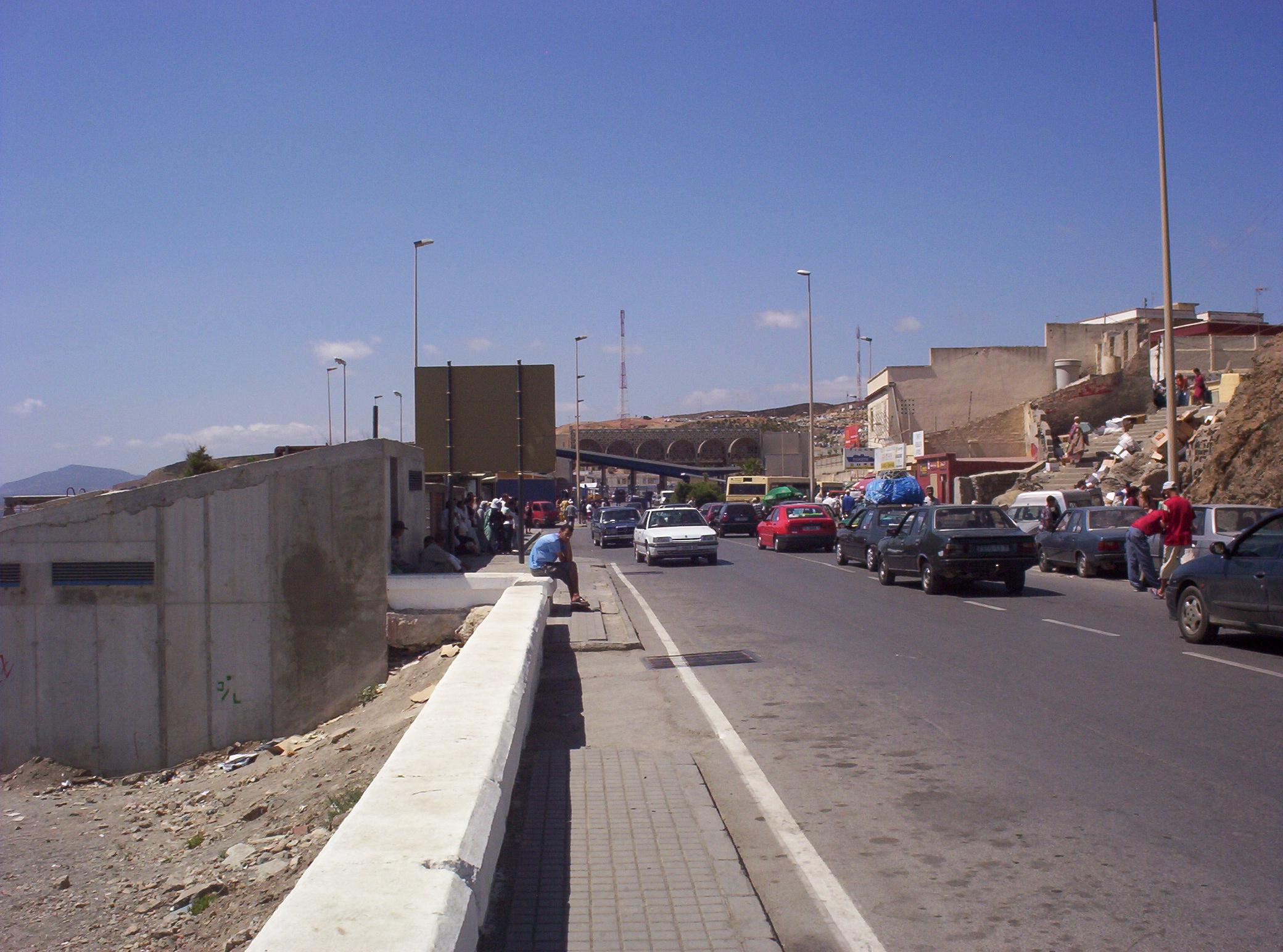
Around 1,500 protesters gathered outside the Moroccan Embassy in Madrid on Sunday to condemn the Spanish government's handling of the Ceuta migration crisis [1].
The demonstration highlights growing public frustration over the stability of Spain's borders and the humanitarian challenges facing the North African enclave. The crisis has strained diplomatic relations and tested the capacity of local infrastructure to manage sudden population surges.
Protesters focused their grievances on the administrative response to a migration wave that saw around 60,000 people enter Ceuta [2]. The influx has created a volatile situation in the enclave, a Spanish territory located on the coast of Africa, leading to significant logistical and security challenges for the government.
The human cost of the crisis remains a central point of contention for those demonstrating in the capital. Reports indicate that 67 people have died in connection with the migrant influx into the region [3].
While some reports described the gathering as consisting of hundreds of people, other sources place the number of participants at approximately 1,500 [1]. The crowd remained stationed outside the embassy to demand a more effective strategy for managing the border and addressing the root causes of the displacement.
Spanish officials have faced increasing pressure to coordinate more closely with Moroccan authorities to prevent further surges. The protests in Madrid signal that the domestic political fallout from the Ceuta situation is expanding beyond the borders of the enclave itself.
“Around 1,500 protesters gathered outside the Moroccan Embassy in Madrid”
The protests in Madrid reflect a deepening domestic divide over Spain's migration policy and its diplomatic relationship with Morocco. By targeting the Moroccan Embassy, protesters are signaling that the crisis is not merely a failure of Spanish internal security, but a geopolitical issue requiring bilateral resolution. The scale of the influx and the associated death toll place the Spanish government under intense scrutiny to balance humanitarian obligations with border sovereignty.
'%2F%3E%0A%20%20%20%20%3Crect%20width%3D'1600'%20height%3D'900'%20fill%3D'url(%23v)'%2F%3E%0A%20%20%20%20%3Cg%20opacity%3D'0.08'%20fill%3D'%23ffffff'%3E%0A%20%20%20%20%20%20%3Ccircle%20cx%3D'1420'%20cy%3D'180'%20r%3D'220'%2F%3E%0A%20%20%20%20%20%20%3Ccircle%20cx%3D'1500'%20cy%3D'760'%20r%3D'120'%2F%3E%0A%20%20%20%20%3C%2Fg%3E%0A%20%20%20%20%3Cline%20x1%3D'80'%20y1%3D'172'%20x2%3D'220'%20y2%3D'172'%20stroke%3D'%23ffffff'%20stroke-width%3D'3'%20stroke-opacity%3D'0.6'%2F%3E%0A%20%20%20%20%3Ctext%20x%3D'80'%20y%3D'140'%20font-family%3D'Inter%2C%20-apple-system%2C%20Helvetica%2C%20sans-serif'%20font-weight%3D'700'%20font-size%3D'28'%20fill%3D'%23ffffff'%20letter-spacing%3D'6'%3EHANNA%20%C2%B7%20NEWS%3C%2Ftext%3E%0A%20%20%20%20%3Ctext%20x%3D'80'%20y%3D'230'%20font-family%3D'Inter%2C%20-apple-system%2C%20Helvetica%2C%20sans-serif'%20font-weight%3D'600'%20font-size%3D'40'%20fill%3D'%23ffffffb3'%20letter-spacing%3D'4'%3EWORLD%3C%2Ftext%3E%0A%20%20%20%20%3Ctext%20x%3D'80'%20y%3D'622'%20font-family%3D'Playfair%20Display%2C%20Georgia%2C%20serif'%20font-weight%3D'800'%20font-size%3D'86'%20fill%3D'%23ffffff'%20letter-spacing%3D'-1'%3ETwo%20Crew%20Members%20Die%20in%3C%2Ftext%3E%3Ctext%20x%3D'80'%20y%3D'721'%20font-family%3D'Playfair%20Display%2C%20Georgia%2C%20serif'%20font-weight%3D'800'%20font-size%3D'86'%20fill%3D'%23ffffff'%20letter-spacing%3D'-1'%3EFirefighting%20Helicopter%3C%2Ftext%3E%3Ctext%20x%3D'80'%20y%3D'820'%20font-family%3D'Playfair%20Display%2C%20Georgia%2C%20serif'%20font-weight%3D'800'%20font-size%3D'86'%20fill%3D'%23ffffff'%20letter-spacing%3D'-1'%3ECollision%20in%20Greece%3C%2Ftext%3E%0A%20%20%20%20%3Ctext%20x%3D'80'%20y%3D'870'%20font-family%3D'Inter%2C%20-apple-system%2C%20Helvetica%2C%20sans-serif'%20font-weight%3D'500'%20font-size%3D'22'%20fill%3D'%23ffffff66'%20letter-spacing%3D'2'%3Enews.hanna-ai.com%3C%2Ftext%3E%0A%20%20%3C%2Fsvg%3E)

