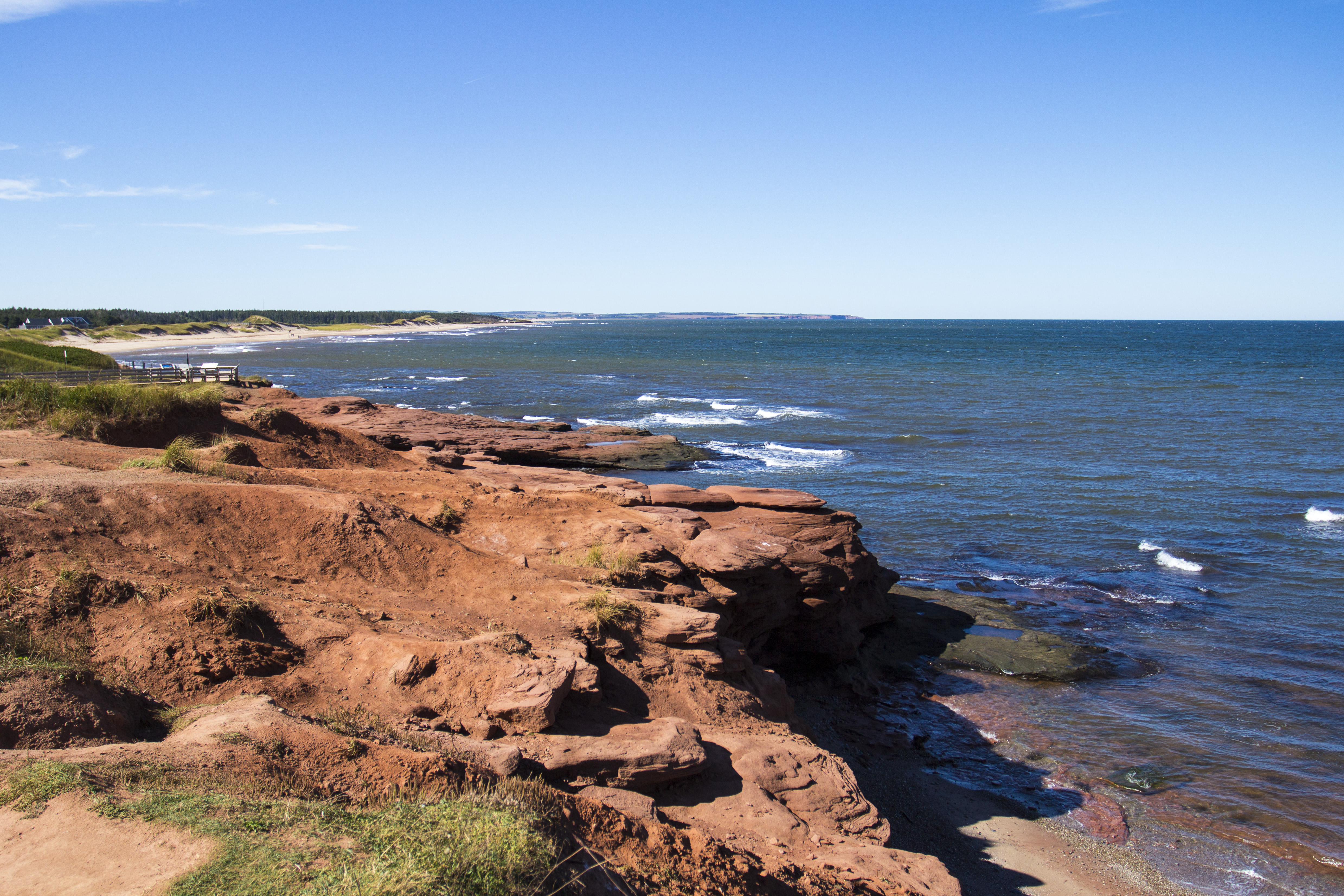
Temperatures are expected to rise across the Maritime provinces later this week following a cold finish to May [1].
The shift in weather provides relief to residents of Nova Scotia, New Brunswick, and Prince Edward Island after a period of unseasonably low temperatures and snowy conditions [1, 2]. This transition marks a return to more typical early June weather for the region.
CTV meteorologist Kalin Mitchell said the warming trend is the result of a weakening blocking pattern over North America [1]. This atmospheric shift will allow warmer air from the west to move eastward across the continent [1].
The cold spell that characterized the end of May had created a significant temperature dip in the Atlantic provinces [1]. However, the current forecast indicates that the blocking pattern is losing its influence, allowing the warmer air mass to displace the cold air currently sitting over the Maritimes [1].
Residents can expect the most significant temperature increases to occur later in the week of June 1 [1, 2]. The movement of this western air mass typically brings more stable and warmer conditions to the coast [1].
Meteorologists continue to monitor the speed of the blocking pattern's collapse to determine exactly when the warmth will arrive [1]. While the start of the week remained chilly, the long-term outlook for the region is shifting toward a warmer summer trajectory [1].
“Temperatures are expected to rise across the Maritime provinces later this week”
The transition from a blocking pattern to a more fluid atmospheric flow illustrates how large-scale pressure systems over the North American continent directly dictate regional weather in the Maritimes. By displacing the stagnant cold air with a western air mass, the region is returning to a standard seasonal progression after an anomalous late-spring cold snap.