
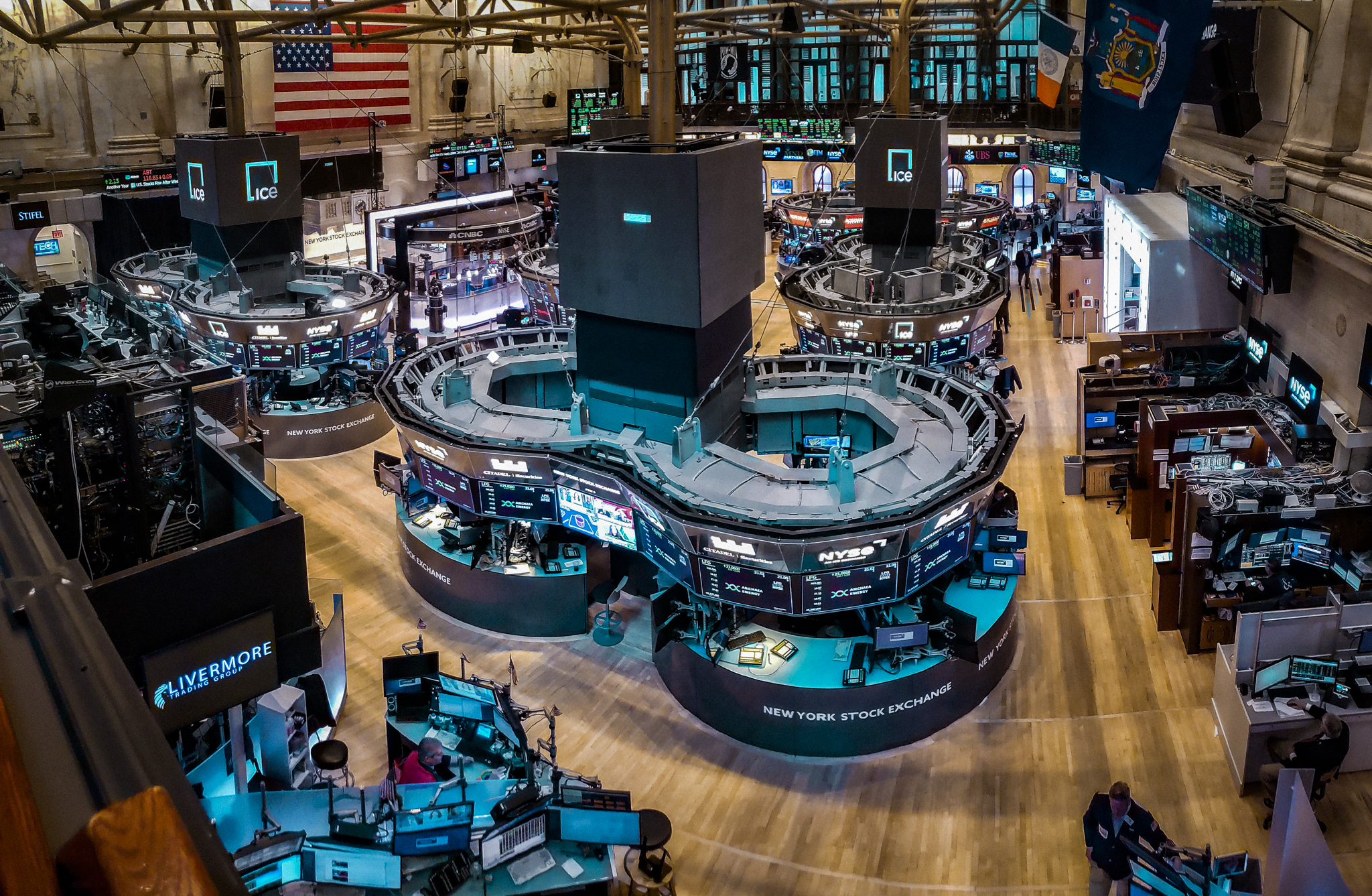
Financial analysts identified the labor market and geopolitical tensions in the Iran war as primary drivers for the May 8, 2026, trading day [1].
These factors are critical because they influence investor sentiment regarding economic stability and the potential for sudden market volatility. The intersection of domestic employment data and international conflict often dictates whether investors move toward safe-haven assets or riskier equities.
Joe Quinlan of BofA Global Wealth & Investment Management, Sylvia Jablonski of Defiance ETFs, and Jessica Inskip of StockBrokers.com appeared on CNBC's "Call Sheet" to provide the preview [1, 2]. The panel focused on whether investors are beginning to look past the current developments in the Iran war or if the conflict continues to weigh on global markets [1, 2].
In addition to geopolitical risks, the group discussed the state of the labor market [1, 2]. Employment trends serve as a bellwether for the health of the U.S. economy and often signal future moves by central banks regarding interest rates.
While this specific panel focused on the Iran war and labor data, other segments of the program highlighted different priorities [3]. Other analysts on the show said earnings growth, the ongoing AI trade, and the broader jobs report were the essential metrics for the day [3].
Market participants are currently balancing these contradictory signals—domestic economic strength versus international instability—to determine the day's trading trajectory [1, 3].
“Whether investors are looking past developments in the Iran war”
The divergence in focus among analysts—ranging from geopolitical conflict to AI-driven growth—indicates a fragmented market sentiment. When the labor market and international wars both act as primary drivers, volatility typically increases as traders struggle to weigh long-term economic fundamentals against immediate geopolitical shocks.


