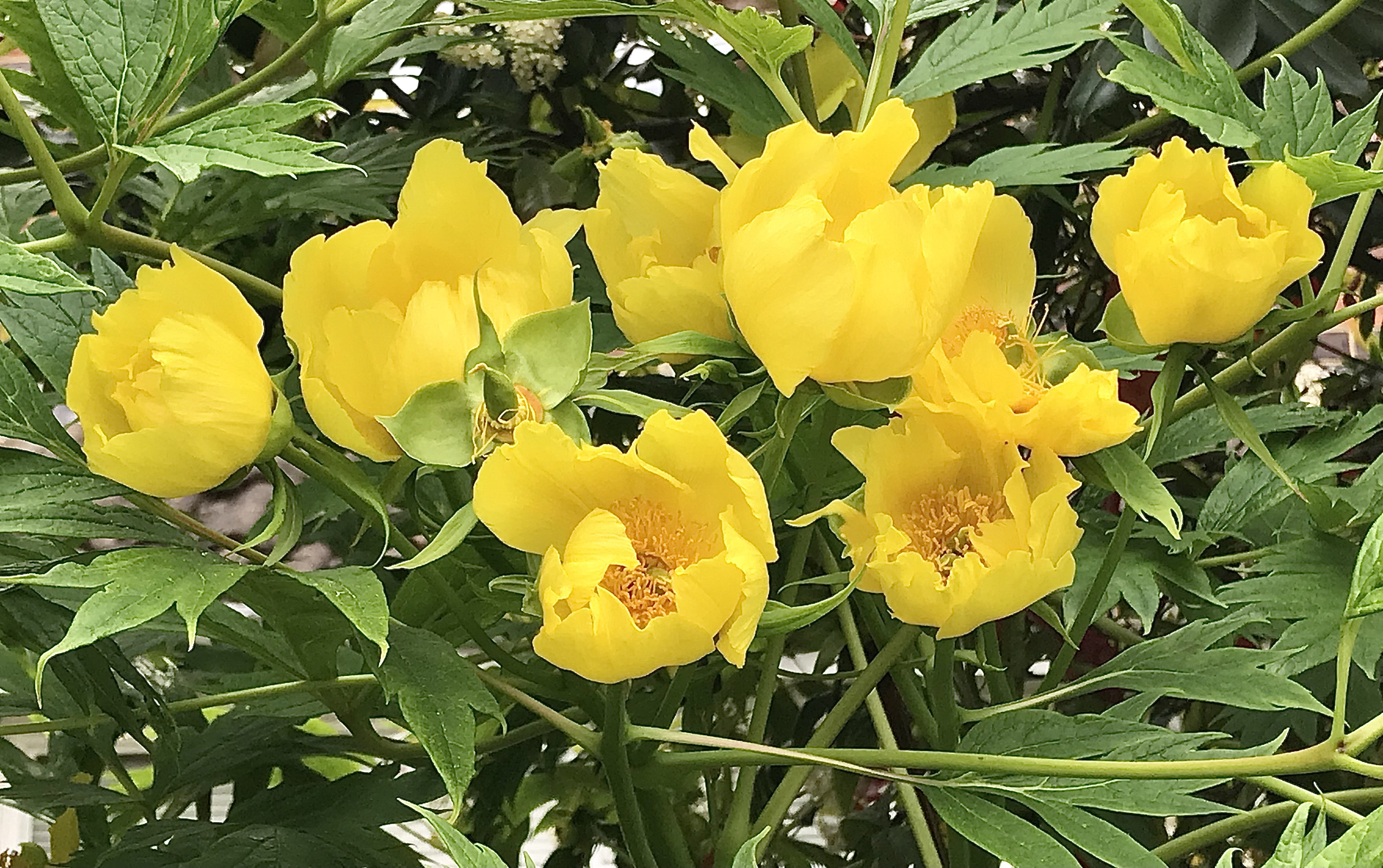
Marisa Mender-Franklin launched a flower-farm business in Memphis after 40 neighbors offered their yards for her to grow flowers [1].
The initiative demonstrates a shift toward community-supported agriculture and the use of social media to overcome traditional barriers to land ownership.
Mender-Franklin sought land to start her dream flower farm by posting a request in a Buy Nothing Facebook group [1], [2]. The response from the Memphis community allowed her to bypass the high costs of purchasing or leasing commercial agricultural land.
Through the generosity of these residents, she now operates nine flower farms across the city [3]. The project focuses on sustainable agriculture, utilizing fragmented residential spaces to create a distributed farming network.
This model of urban farming relies on the trust between the entrepreneur and the homeowners. By transforming private lawns into productive garden plots, the venture increases local biodiversity, and provides the community with access to locally grown blooms.
Neighbors responded positively to the request to support the sustainable-agriculture venture [1], [2]. This collective effort turned a personal business goal into a community project that spans multiple properties in Tennessee.
The growth of the operation from a single request to nine distinct farm sites [3] highlights the potential for micro-farming in urban environments. This approach reduces the carbon footprint associated with transporting flowers from large-scale industrial farms to city centers.
“40 neighbors offered their yards for her to grow flowers”
This case illustrates the emerging trend of 'distributed farming,' where urban entrepreneurs leverage social capital and digital community networks to secure production space. By utilizing underused residential land, Mender-Franklin has created a low-overhead business model that minimizes financial risk while maximizing community engagement and ecological sustainability in an urban setting.