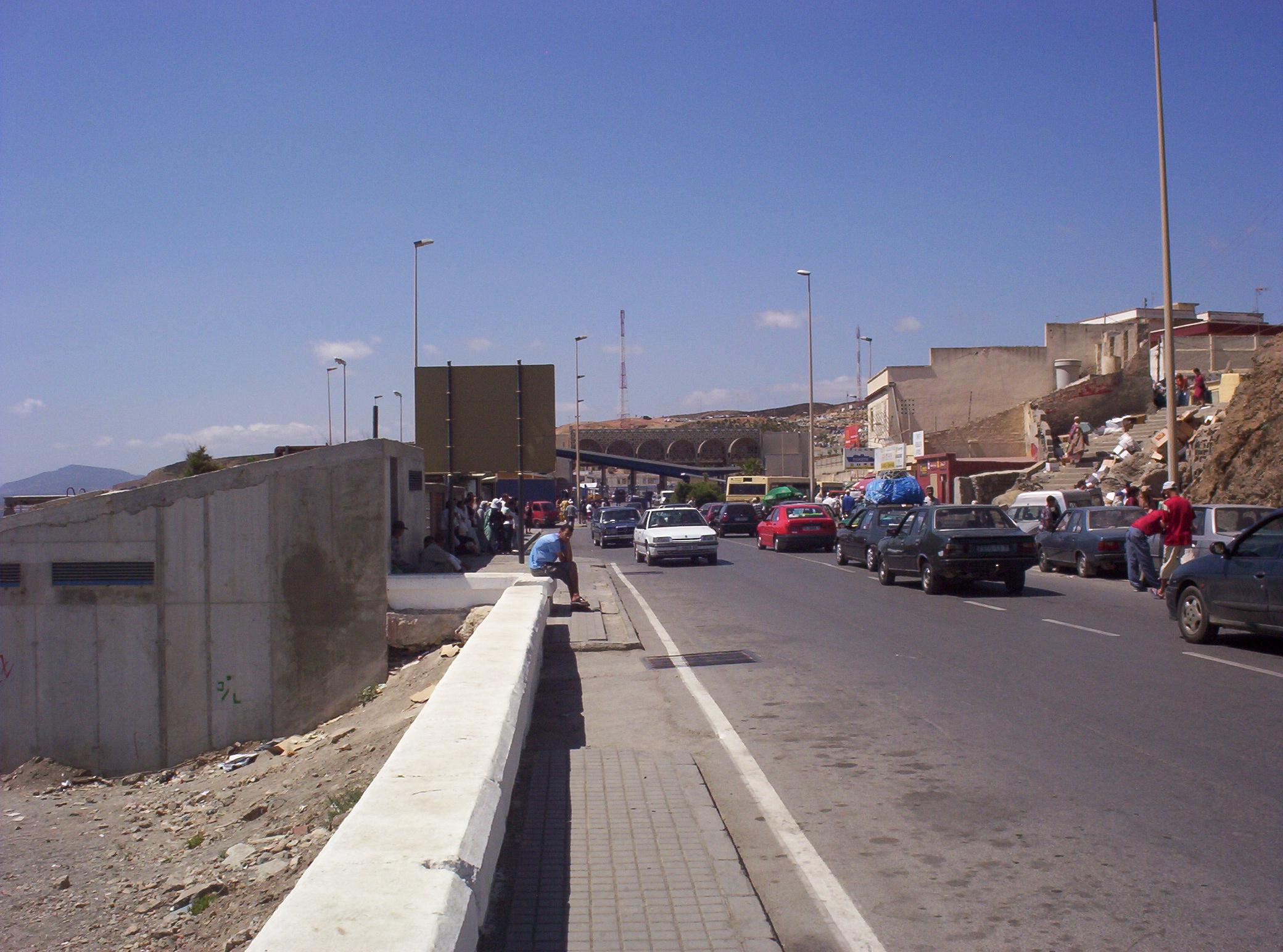
Thousands of migrants voluntarily returned to Morocco on Friday after an unprecedented surge of crossings into the Spanish enclave of Ceuta [1].
The reversal follows a chaotic period of mass movement that overwhelmed border infrastructure and resulted in significant loss of life. This event tests the diplomatic and security coordination between Spain and Morocco in managing one of the most volatile border regions in North Africa.
Spanish and Moroccan authorities worked to halt the influx after the border rush turned deadly. Reports indicate that 57 people died during the crisis [3]. The scale of the movement was immense, with estimates of the total number of people who entered the city varying between more than 50,000 [1] and approximately 60,000 [2].
Following the peak of the crisis, a large majority of the migrants chose to return to Morocco. Official figures regarding the return vary slightly by source, with reports citing 48,000 [4] to 48,300 [3] individuals who left the Spanish territory.
Ceuta, a Spanish autonomous city on the North African coast, has long been a focal point for migration. The recent rush was described as unprecedented, prompting the European Union to race toward containing the crisis as thousands attempted to enter Spanish territory [4].
The voluntary nature of the return suggests a coordinated effort between the two nations to stabilize the region. Authorities said the measures were necessary to prevent further casualties and restore order to the border crossing.
“57 people died during the crisis”
The rapid influx and subsequent return of tens of thousands of people highlight the fragility of border security in Ceuta. The discrepancy in crossing numbers, ranging from 50,000 to 60,000, underscores the difficulty of tracking movement during chaotic surges. This event reinforces the interdependence of Spanish and Moroccan security apparatuses, as neither can manage the migration flow without the active cooperation of the other.